
There is nothing quite like the first bite of a sun-warmed peach, its juice running down your chin as the scent of summer fills the air. To master Peach Recipes, one must first understand the delicate nature of the fruit itself, from the vibrant blush of the skin to the fuzzy, velvety texture that signifies peak ripeness.
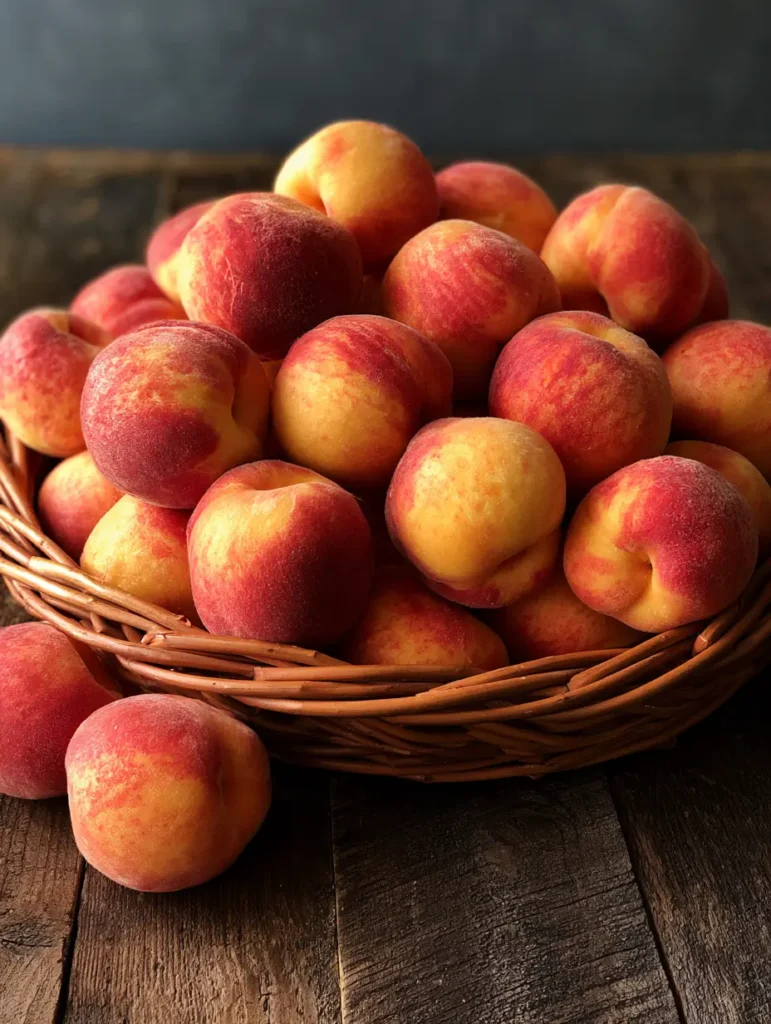
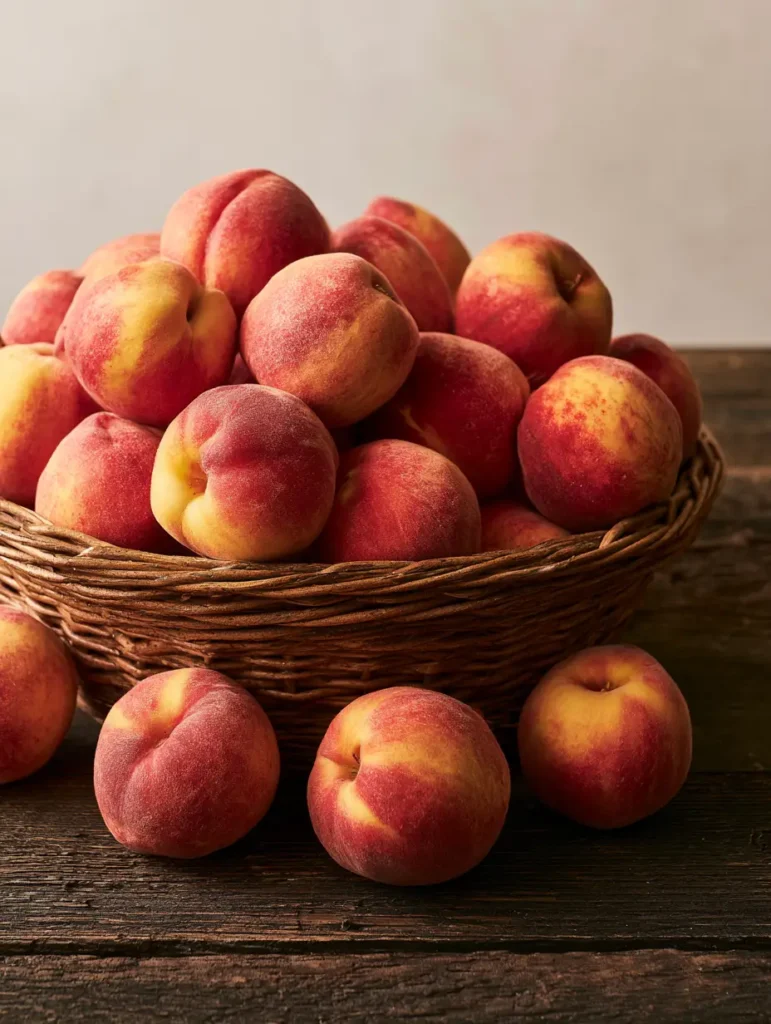
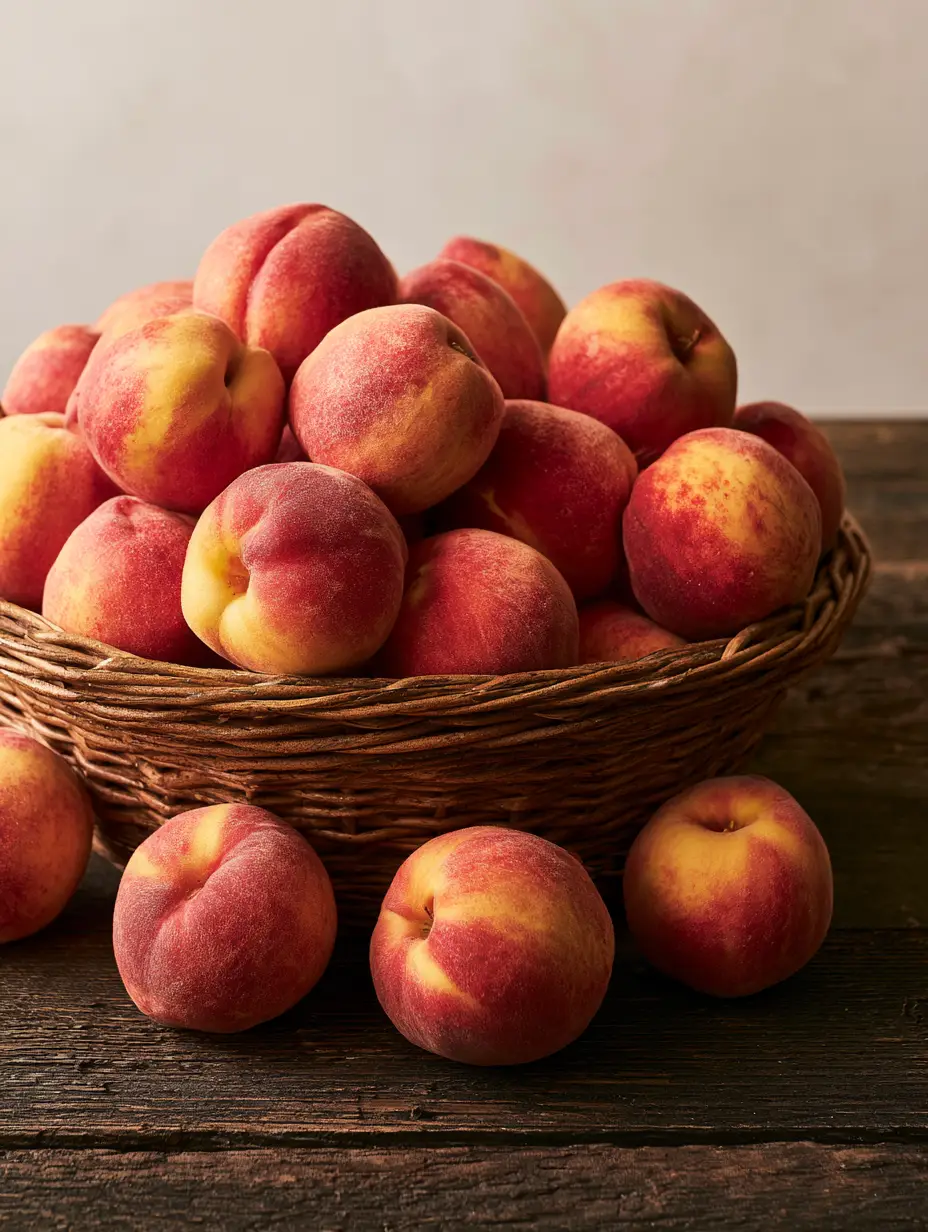
When you see a shallow round wicker basket overflowing with whole, fresh, ripe peaches, you aren’t just looking at fruit; you are looking at the potential for culinary magic. The gradients of golden yellow and deep blush red captured in our visual blueprint are the hallmarks of a fruit that has reached its maximum sugar content and aromatic potential.
In this guide, we are moving beyond the basics to explore how to handle these delicate treasures with the respect they deserve. Whether you are looking for fresh peach recipes (coming soon) or more complex baked peach recipes (coming soon), the foundation remains the same: high-quality fruit and precise technique.
Why This Method for Fresh Peach Recipes Is the Gold Standard
- Visual Integrity: By focusing on whole-fruit preparation, we preserve the stunning golden and red gradients of the natural peach skin.
- Textural Contrast: We celebrate the velvety, fuzzy skin that provides a unique mouthfeel when paired with the soft, juicy interior.
- Natural Sweetness: This approach utilizes the fruit’s own sugars, enhanced only by high-quality foundational ingredients to boost the “peachiness.”
- Culinary Science: We apply gentle heat or specific maceration techniques to break down cellulose without turning the fruit into mush.
The Anatomy of the Perfect Peach: Sourcing and Selection
Before you dive into any easy peach recipes (coming soon), you must master the art of the pick. Look for peaches that feel heavy for their size, suggesting a high water and sugar content that will translate into better flavor.
The skin should show no signs of green, which indicates the peach was picked too early and will never reach its true flavor potential. Instead, look for that deep, “blush red” and “vibrant yellow” mentioned in our visual prompt, which occurs when the fruit is exposed to direct natural sunlight while still on the branch.
Gently press the fruit near the stem; a slight “give” or softness indicates the peach is ready for immediate use. If they are firm, they may need another day on a dark rustic wood surface at room temperature to reach their peak.
Essential Ingredients for Your Peach Masterpiece
Fresh Ripe Peaches: The star of the show. We use whole peaches with the skin on to provide structural integrity and a beautiful visual aesthetic for your sweet peach recipes (coming soon).
Raw Honey (2 tbsp / 30ml): Honey acts as a humectant and flavor enhancer. It mirrors the floral notes found naturally in the peach’s aromatic profile.
Unsalted Butter (1 tbsp / 14g): Fat is a flavor carrier. A small amount of melted butter adds a silky mouthfeel and helps the honey glaze adhere to the velvety skin.
Flaky Sea Salt (1 pinch / 0.5g): Salt is a scientific necessity in fruit-forward dishes. It suppresses bitterness and amplifies the perception of sweetness.
Fresh Thyme or Basil (1 sprig): These herbs add a savory “high note.” They balance the deep, earthy tones of the dark-weathered wood planks where the fruit is often served.
The Culinary Toolkit: Equipment for Success
To achieve the result seen in professional photography, you don’t need expensive gadgets, but you do need the right tools. A high-quality chef’s knife is essential for clean cuts that don’t bruise the delicate flesh.
A shallow round wicker basket is more than just a prop; it provides essential airflow to prevent the peaches from developing soft spots or mold during the final ripening stage. Finally, a heavy-bottomed cast iron or ceramic baking dish is needed if you are transitioning these into peach dessert recipes (coming soon).
Mastering the Preparation: A Step-by-Step Guide
Step 1: The Gentle Cleanse
Wash your peaches under cold, running water, taking care not to scrub too hard. You want to preserve that “fuzzy texture” and the “vibrant gradients” of the yellow and red skin.
Pat the fruit dry with a lint-free microfiber towel. Moisture on the skin can prevent glazes from sticking and may lead to steaming rather than roasting if you choose to bake them.
Step 2: Slicing with Precision
Identify the natural seam of the peach. Using a sharp knife, cut all the way around the circumference, following the line of the pit inside.
Gently twist the two halves in opposite directions. If you have “freestone” peaches, the pit will pop out easily; for “clingstone” varieties, use a small spoon to carefully scoop around the stone.
Step 3: Enhancing the Natural Flavors
Place your peach halves, cut side up, on a baking sheet or in a rustic dish. Drizzle the 2 tbsp (30ml) of honey and 1 tbsp (14g) of melted butter evenly over the golden flesh.
The honey will seep into the center where the pit once was, creating a delicious “flavor well” that intensifies as it warms. This is a crucial step for many fresh peach dessert recipes (coming soon).
Step 4: The Visual and Sensory Transformation
If serving raw, let the peaches sit for 10 minutes to allow the honey to macerate the fruit. If baking, place them in a 350°F (175°C) oven for 15-20 minutes.
Watch for visual cues: the edges of the blush red skin should begin to wrinkle slightly, and the honey-butter mixture should be bubbling. The scent will shift from fresh and floral to deep, caramelized, and intoxicating.
Expert Tips for Perfect Peach Results
- The Skin Secret: Never peel your peaches for rustic recipes! The skin contains pectin and polyphenols that provide depth of flavor and keep the fruit from falling apart.
- Temperature Control: Always serve peaches at room temperature or slightly warm. Cold temperatures mute the volatile organic compounds that give peaches their signature taste.
- Oxidation Prevention: If you aren’t serving them immediately, a tiny spritz of lemon juice (5ml) will prevent the golden yellow flesh from turning brown without affecting the flavor.
- Variety Matters: Use yellow peaches for baking as they hold their acidity better; use white peaches for cold peach dessert recipes (coming soon) for their delicate floral sweetness.
Savoring the Season: Storage and Preservation
Fresh peaches are notoriously fleeting. If your wicker basket is overflowing, store any peaches that have reached peak ripeness in the refrigerator for up to 3 days. However, move them back to the counter 2 hours before eating.
For long-term storage, peaches can be sliced and frozen. Lay them in a single layer on a parchment-lined tray before transferring them to a bag to prevent clumping. This ensures you have the supplies for peach pancakes (coming soon) or peach muffins (coming soon) all winter long.
What to Serve With Your Fresh Peaches
Peaches are incredibly versatile, bridging the gap between sweet and savory. For a classic pairing, serve them alongside a scoop of vanilla bean gelato or a dollop of fresh mascarpone cheese.
If you prefer a savory twist, these peaches are excellent when sliced onto peach bruschetta with goat cheese and balsamic reduction. The acidity of the balsamic perfectly cuts through the sugar of the fruit, making for a sophisticated sweet and savory peach recipe (coming soon).
For brunch, consider incorporating your harvest into peach bread (coming soon) or serving them alongside peach biscuits (coming soon) for a truly Southern-inspired feast.
Frequently Asked Questions About Peach Recipes
Yes, place firm peaches in a brown paper bag at room temperature for 1-2 days. The trapped ethylene gas will speed up the softening and ripening process.
Look for a deep golden-yellow background color with no green, and smell the stem end for a strong floral aroma. A gentle press near the stem should have a slight ‘give’.
Toss the slices in a small amount of acidic juice, such as lemon or lime juice. This prevents oxidation and keeps the golden yellow flesh vibrant.
For rustic recipes, keeping the skin on provides better structure, color, and nutrition. If a recipe requires peeling, blanch them in boiling water for 30 seconds, then shock in ice water to slip the skins off easily.
In freestone peaches, the flesh separates easily from the pit, making them ideal for slicing. Clingstone peaches have flesh that ‘clings’ to the pit and are often used for canning or purees.
The Ultimate Fresh Roasted Peach Recipe
Peach Recipes: The Ultimate Guide to Ripe, Juicy Summer Stone Fruit
Ingredients
Equipment
Instructions
- Gently wash the peaches under cold water to clean the velvety skin without removing the fuzz.
- Slice around the natural seam of the peach and twist to separate. Remove the pit carefully.
- Arrange peaches in a baking dish and drizzle with honey and melted butter.
- Bake at 350°F (175°C) for 20 minutes until the skins begin to wrinkle and the juice bubbles.
Notes
Use a shallow wicker basket for ripening firm peaches on your counter.
Closing & Call to Action
The beauty of Peach Recipes lies in their simplicity and the celebration of seasonal bounty. By focusing on the velvety texture and vibrant colors of the fruit, you create a sensory experience that goes far beyond a simple snack.
We invite you to try this rustic approach and see the difference that high-quality, whole fruit makes. If you enjoyed this guide, please leave a comment below and share your favorite ways to use summer peaches!
For more visual inspiration and summer cooking ideas, follow us on Pinterest and save this recipe to your “Summer Favorites” board.