

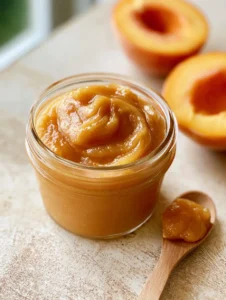


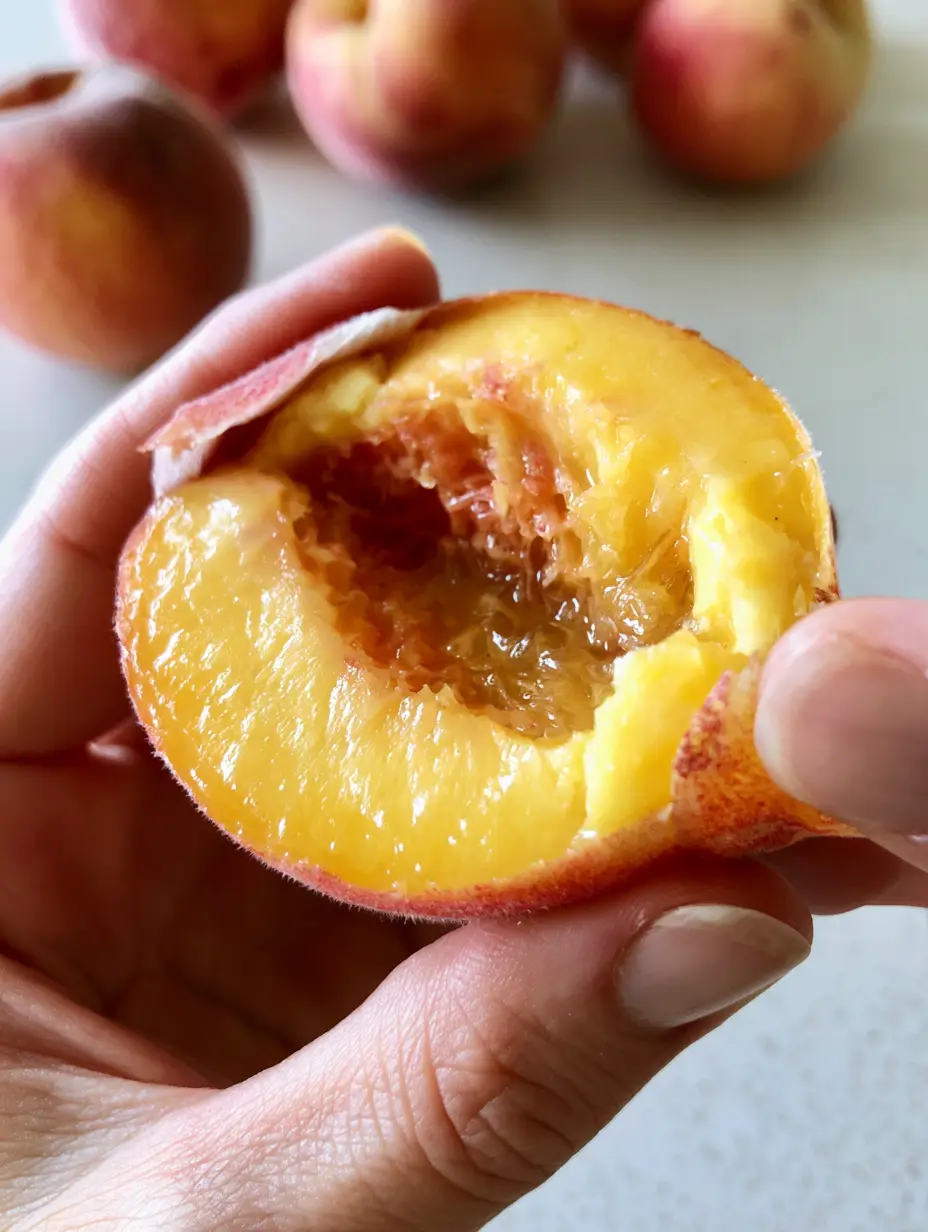
Mastering how to peel peaches is a fundamental skill for any home cook looking to elevate their summer desserts, preserves, and fresh snacks. There is a specific, tactile joy in watching a fuzzy, vibrant red and orange skin curl away effortlessly from the fruit.
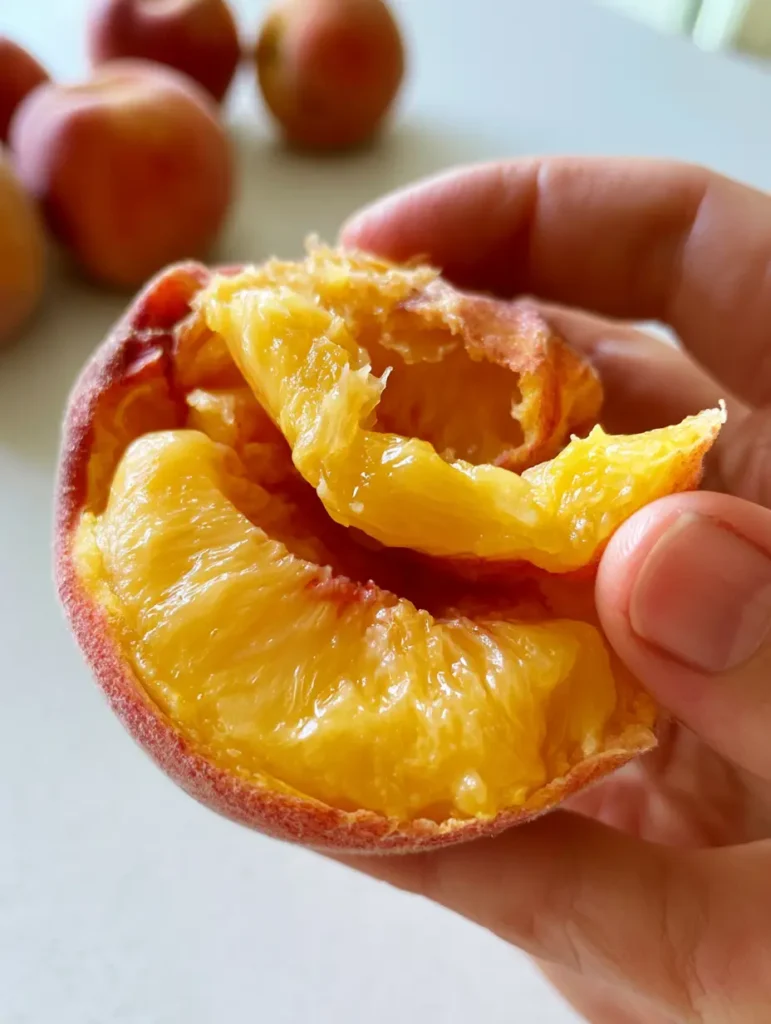
When you learn the professional blanching technique, you move beyond the frustration of bruised fruit and jagged edges. Instead, you are left with a smooth, golden-yellow surface that glistens with natural moisture, ready for your favorite recipes.
Whether you are preparing a massive harvest for canning or just want a silky texture for a morning bowl of cream, this guide ensures every peach you handle remains structurally sound and visually stunning. Let’s dive into the science of the perfect peel.
The Sensory Rewards of Perfectly Peeled Stone Fruit
- Vibrant Visual Contrast: Experience the transition from fuzzy, matte skin to a brilliant, glistening golden-yellow interior.
- Structural Integrity: By using the blanching method, you preserve the firm yet juicy shape of the fruit without the gouges left by traditional vegetable peelers.
- Effortless Removal: When timed correctly, the skin literally slides off under the light pressure of your thumb, revealing a professional finish every time.
- Enhanced Flavor Profile: Removing the skin eliminates the slightly bitter tannins often found in the fuzz, allowing the pure floral sweetness of the peach to shine.
The Essential Components for Silky Smooth Stone Fruit
To master how to peel peaches, you only need a few high-quality ingredients. The quality of your water and the ripeness of your fruit are the two biggest factors in your success.
4 to 6 Large Ripe Peaches: Look for fruit that is fragrant and gives slightly to gentle pressure. The vibrant orange and red hues indicate the sugars have developed enough to help the skin release.
2 Quarts (2 Liters) Filtered Water: This provides the thermal mass necessary to heat the peach skins rapidly without cooking the internal flesh of the fruit. Using filtered water ensures no “off” flavors are absorbed during the brief soak.
4 Cups (950ml) Ice Cubes: Ice is critical for creating a “shock” environment. This immediate temperature drop stops the cooking process instantly, keeping your peaches firm rather than mushy.
1 Tablespoon (15ml) Lemon Juice (Optional): If you are not using the peaches immediately, a light toss in lemon juice prevents the golden-yellow flesh from oxidizing and turning brown. The acid maintains that “just-peeled” glow.
The Tools Every Fruit Connoisseur Needs
You don’t need fancy gadgets to learn how to peel peaches like a pro, but the right tools make the process safer and more efficient. Clean, sharp equipment is the hallmark of an elite kitchen.
A 4-Quart (4L) stockpot is the ideal vessel for boiling your blanching water. It should be deep enough to fully submerge at least three peaches at a time without overflowing.
A large stainless steel or glass mixing bowl will house your ice bath. I prefer glass as it allows you to see the peaches clearly as they cool, ensuring you don’t leave them in the water too long.
A sharp paring knife is essential for “scoring” the fruit. You want a blade that can slice through the thin skin without dragging or tearing the delicate flesh underneath.
Finally, a slotted spoon or a “spider” strainer is necessary for safely transferring the fruit between the boiling water and the ice bath. This prevents splashing and allows for a quick transition.
A Step-by-Step Blueprint for Flawless Peeling
Preparing the Fruit for Thermal Shock
Start by washing your peaches under cool running water to remove any loose fuzz or debris. Use your paring knife to gently score a shallow “X” on the bottom (blossom end) of each peach.
This “X” is the secret to how to peel peaches efficiently. It provides a starting point for the skin to begin curling back once the heat hits the fruit’s surface.
The Precision Blanching Process
Bring your 2 quarts (2L) of water to a rolling boil over high heat. Once large bubbles are breaking the surface, carefully lower 2-3 peaches into the water using your slotted spoon.
Set a timer for exactly 30 to 60 seconds. You are looking for a specific visual cue: the edges of the “X” you scored should just begin to pull away from the flesh, and the skin may appear slightly puckered.
The Critical Cooling Phase
Immediately move the peaches from the boiling water into your prepared ice bath. Let them sit for at least 2 minutes until they are cool to the touch all the way through.
This step is vital because if the peaches remain warm, they will continue to soften. We want the skin to be loose, but the golden-yellow flesh to remain crisp and succulent.
The Final Peel and Reveal
Pick up a cooled peach and find the corner of the “X” score. Using your thumb or the flat of the paring knife, gently pull the skin back away from the center.
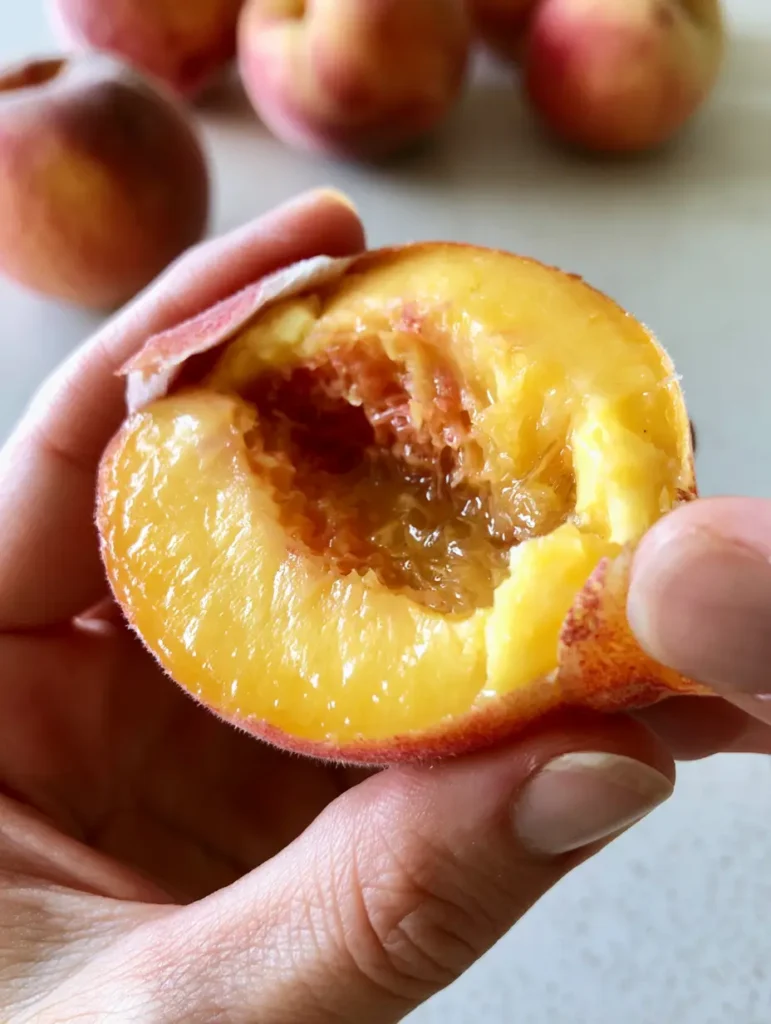
In a successful blanching, the thin skin will curl away effortlessly in large sheets. You should see a glistening, moist surface that feels smooth and firm, exactly like a professional culinary photo.
Insider Secrets for Successive Peeling Perfection
- Don’t Overcrowd the Pot: Only blanch a few peaches at a time. Adding too many cold peaches will drop the water temperature, leading to longer cook times and mushy fruit.
- Check for “Give”: If the skin doesn’t slide off easily after the ice bath, return that specific peach to the boiling water for another 15 seconds. Some varieties have tighter skins than others.
- Dry Before Slicing: Once peeled, pat the peaches dry with a lint-free towel. This makes them easier to grip and prevents them from sliding around on the cutting board while you slice or pit them.
- Use Firm-Ripe Fruit: Overripe peaches may turn to mush during the blanching process. For the best visual results, use peaches that are just reaching peak ripeness.
Managing Your Peeled Peaches: Freshness and Storage
Peeled peaches are highly perishable because their protective skin has been removed. If you aren’t using them immediately for a Refreshing Peach Smoothie, you must store them correctly.
Store peeled, sliced peaches in an airtight container in the refrigerator for up to 2 days. To maintain that vibrant golden-yellow color, ensure they are tossed in a tiny bit of citrus juice or an ascorbic acid solution.
For long-term storage, you can freeze peeled peaches. Lay them in a single layer on a baking sheet to freeze individually before transferring them to a vacuum-sealed bag to prevent freezer burn.
Inspiring Ways to Use Your Perfectly Peeled Harvest
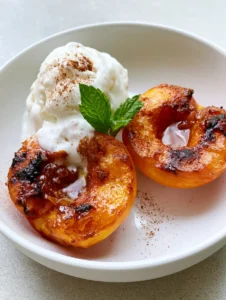
Now that you’ve mastered how to peel peaches, the culinary possibilities are endless. The smooth texture of a peeled peach is preferred for elegant desserts where skin would be distracting.
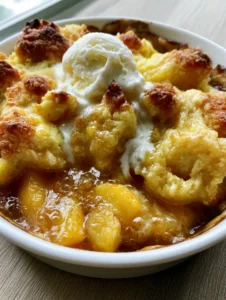
Try folding your glistening peach slices into a Southern Peach Cobbler (coming soon) for a traditional treat. The absence of skins ensures a uniform, melt-in-your-mouth experience in every bite.
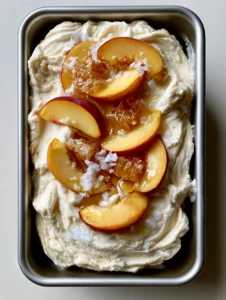
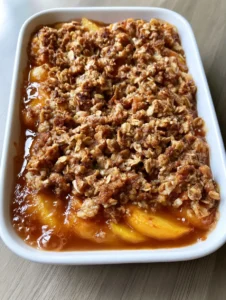
If you’re in the mood for something crunchy, use them in a Classic Peach Crisp (coming soon). The contrast between the soft, golden fruit and the buttery oat topping is a summer staple.
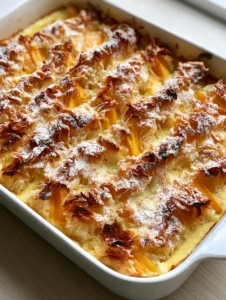
For a more formal presentation, these peeled gems are perfect for a Moist Peach Cake. The lack of skins allows the fruit to blend seamlessly into the batter, creating pockets of concentrated peach flavor.
Common Questions About Prepping Peaches
Yes, if the peaches are extremely ripe, you can sometimes use a serrated peeler. However, for the smoothest surface and to avoid losing flesh, the boiling water (blanching) method is superior.
Because the fruit is only in the water for 30-60 seconds and then immediately shocked in ice, the flavor and internal texture remain fresh and raw.
Toss the peeled peaches in a bowl with a tablespoon of lemon juice or a mixture of water and ascorbic acid. The acid prevents oxidation and keeps the flesh vibrant golden-yellow.
Always peel the peaches whole before slicing. It is much easier to remove the skin in large sheets from a whole fruit than to try and peel individual small slices.
This usually happens if the peaches are underripe or if the water wasn’t at a full boil. You can put them back in the boiling water for another 15-30 seconds to loosen the skin further.
Ready to Start Your Peach Perfection Journey?

How to peel peaches: The Ultimate Guide to Effortless Fruit Preparation
Ingredients
Equipment
Instructions
- Using a sharp paring knife, cut a shallow 'X' into the bottom blossom end of each peach. Do not cut too deep into the flesh.
- Bring 2 quarts (2L) of water to a boil in a large pot. Simultaneously, fill a large bowl with 4 cups (950ml) of ice and cold water.
- Lower the peaches into the boiling water for 30-60 seconds. Watch for the skin at the 'X' to begin curling back.
- Immediately transfer the peaches to the ice bath using a slotted spoon. Let them cool completely for 2-3 minutes.
- Remove from the ice bath and use your fingers to pull the skin away from the flesh starting at the 'X'. The skin should slide off effortlessly.
Notes
If the skin sticks, return the peach to the boiling water for an additional 15 seconds.
Final Thoughts on the Perfect Peel
Learning how to peel peaches is more than just a kitchen chore; it’s the gateway to professional-level baking and preserving. By following the blanching method, you guarantee a result that is as beautiful to look at as it is delicious to eat.
The transition from a fuzzy, sun-ripened fruit to a smooth, glistening golden-yellow slice is one of the true highlights of summer cooking. We hope this guide empowers you to tackle your next bushel with confidence!
If you found this guide helpful, please leave a comment below and share your favorite peach recipes! Don’t forget to follow us on Pinterest for more culinary deep dives and visual recipe inspiration.