
Stop pouring your precious sourdough starter down the drain. This Sourdough Discard Pizza Crust is the ultimate way to transform that “waste” into a rustic, professional-grade masterpiece that rivals the best Neapolitan pizzerias. Imagine a crust so airy and porous that every bite offers a satisfying crunch, yielding to a soft, tangy interior.
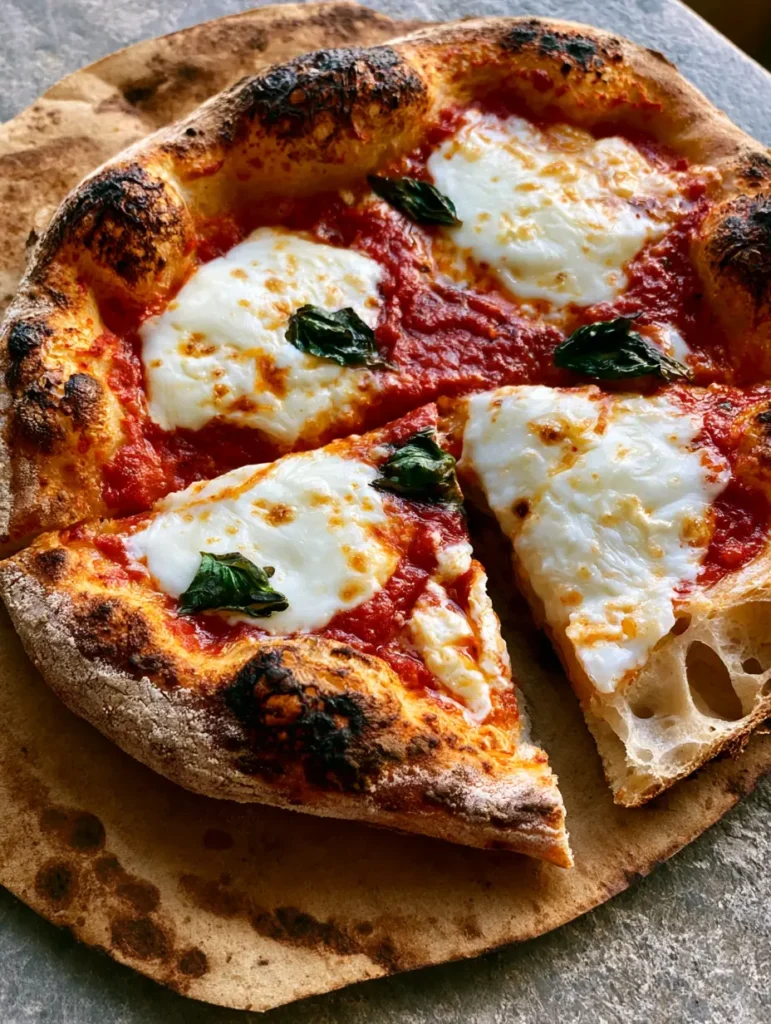
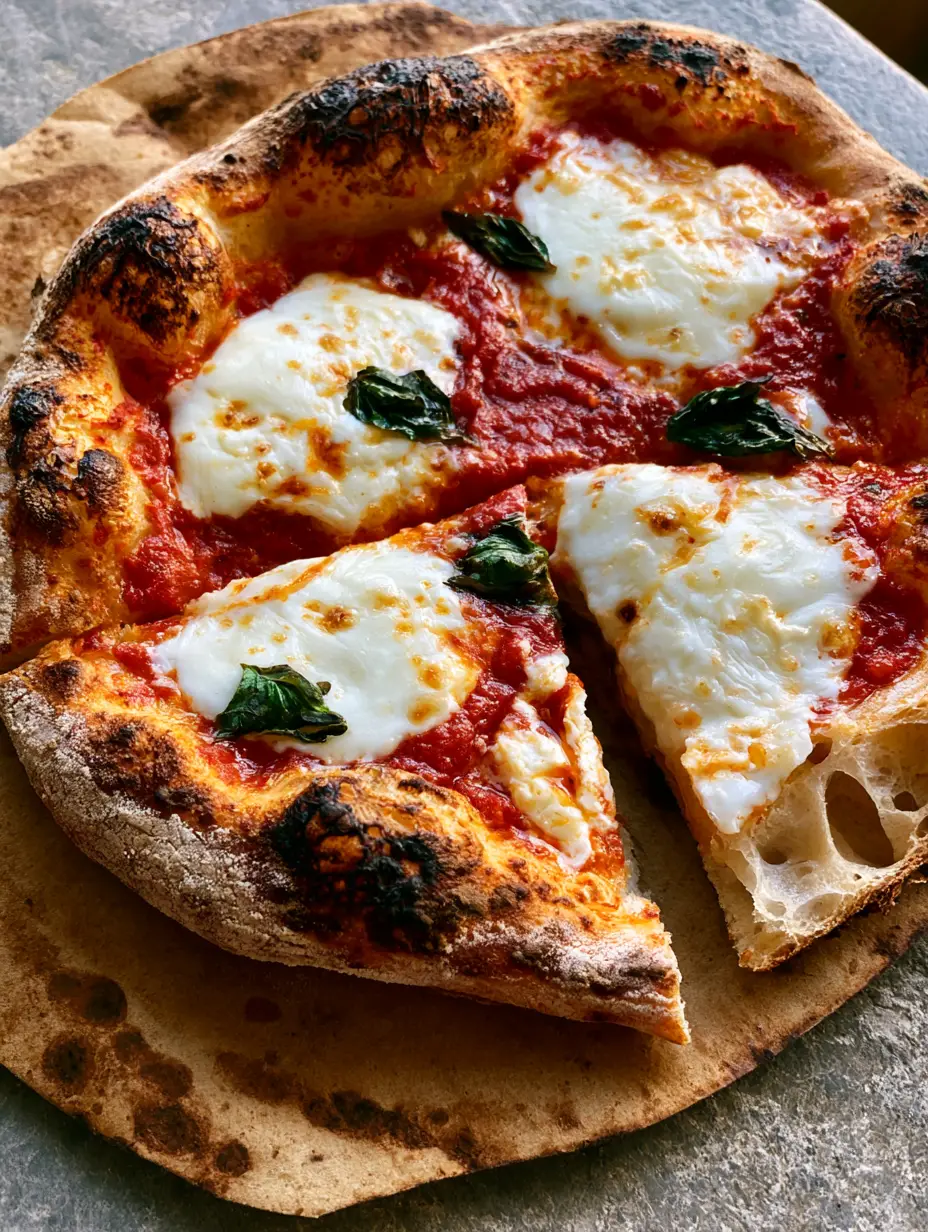
There is something deeply satisfying about watching a Sourdough Discard Pizza Crust transform in a scorching hot oven. You will see those iconic charred air bubbles—known as “leopard spotting”—rise from the dough, while the light dusting of flour on the edges toasts to a beautiful golden hue. It is the perfect marriage of zero-waste baking and gourmet culinary technique.
In this guide, we are focusing on the visual and textural elements that make a pizza truly “Instagrammable.” We are talking about large, melted pools of fresh white mozzarella and a vibrant, thin layer of red sauce that doesn’t weigh down the delicate crumb. Whether you are a seasoned sourdough pro or a beginner, this recipe ensures a result that looks like a handheld smartphone photo from a high-end food blog.

Why This Artisan Sourdough Discard Pizza Crust Works
- Blistered Perfection: The high hydration and fermented discard create a dough that reacts instantly to heat, producing significant charred air bubbles.
- Tangy Flavor Profile: Unlike standard yeast doughs, the sourdough discard adds a complex, acidic depth that balances perfectly with sweet tomato sauce.
- Visual Appeal: The combination of wilted fresh green basil and melted pools of mozzarella creates a stunning color contrast against the golden-brown crust.
- Textural Contrast: You get a rustic, toasted flour dusting on the edges and a porous, airy crumb structure in every cross-section.
Essential Components for Your Rustic Pizza Base
Active Sourdough Discard: Use 1 cup (240g) of discard that is at room temperature. This provides the signature tang and contributes to the enzyme breakdown that creates a light, digestible Sourdough Discard Pizza Crust.
High-Protein Bread Flour or 00 Flour: You will need 3 cups (375g) to ensure the gluten structure is strong enough to hold those massive air bubbles. A dusting of extra flour is essential for that rustic, hand-stretched look on your stained brown parchment paper.
Lukewarm Water: Use 0.8 cups (200ml) of filtered water to hydrate the flour. The temperature is crucial; it should feel like a warm bath to help the small amount of commercial yeast activate quickly.
Instant Yeast: A tiny boost of 1 tsp (3g) of instant yeast ensures that even if your discard is older, you still achieve a massive rise and an airy crumb. This acts as the “insurance policy” for those beautiful charred bubbles.
Fine Sea Salt: Use 1.5 tsp (9g) to enhance the flavors of the wheat and the sourdough. Salt also helps to tighten the gluten network, preventing the dough from becoming too slack.
Extra Virgin Olive Oil: Just 1 tbsp (15ml) in the dough helps with extensibility, making it easier to stretch the Sourdough Discard Pizza Crust into a thin, rustic circle without tearing.
Fresh Mozzarella Pearls or Slices: Use 8 oz (225g) of fresh mozzarella. When baked, these do not cover the whole pizza but rather form “pools” of white cheese with slight golden browning.
San Marzano Tomato Sauce: A thin layer of 0.5 cups (120ml) of crushed tomatoes provides the vibrant red base. Keep it thin so the crust can crisp up properly without becoming soggy.
Fresh Basil Leaves: About 6-8 small leaves. These should be added just before the final minute of baking or immediately after to achieve that perfect wilted look without burning to a crisp.
Must-Have Tools for the Professional Home Pizzaiolo
To achieve that specific “stone background” look with a perfectly charred base, a few tools are non-negotiable. First, a heavy-duty pizza stone or steel is vital for heat retention. This is what creates the “oven spring” that pushes those air bubbles to the surface of your Sourdough Discard Pizza Crust.
You will also need high-quality parchment paper. As the pizza bakes, the parchment will become stained and brown, which adds to the rustic aesthetic when serving. A sharp pizza rocker or wheel is essential to see that porous cross-section without squashing the delicate crumb structure.
The Step-by-Step Path to a Blistered Sourdough Crust
Mixing and Developing the Dough
In a large glass bowl, combine your sourdough discard, lukewarm water, and instant yeast. Stir gently until the discard is mostly broken down and the water looks milky. This ensures an even distribution of the wild yeast cultures throughout your Sourdough Discard Pizza Crust.
Add the flour and salt. Mix by hand or with a sturdy wooden spoon until a shaggy dough forms. Let it rest for 20 minutes; this “autolyse” period allows the flour to fully hydrate, making the kneading process much easier and more effective for gluten development.
The Art of the Stretch and Fold
Instead of traditional kneading, use the “stretch and fold” method. Reach under one side of the dough, pull it upwards, and fold it over the center. Rotate the bowl and repeat this 4 times. This technique builds strength while keeping the interior porous and airy, which is key for the final cross-section visual.
Cover the bowl with a damp cloth and let it rise in a warm spot for 2-3 hours. You are looking for the dough to double in size and look bubbly on the surface. If you have time, a cold ferment in the fridge for 24 hours will yield an even more complex flavor and better blistering.
Shaping for Maximum Air Bubbles
Preheat your oven to its highest setting (usually 500°F/260°C) with your pizza stone inside for at least 45 minutes. Turn the dough out onto a surface with a light dusting of toasted flour. Gently press the center out toward the edges, being careful not to pop the large air bubbles that have formed near the rim.
Place the stretched dough onto a piece of parchment paper. The crust should look rustic and slightly uneven—this isn’t about perfect circles; it’s about character. The edges should have a visible dusting of flour that will toast beautifully in the high heat.
Applying the Vibrant Toppings
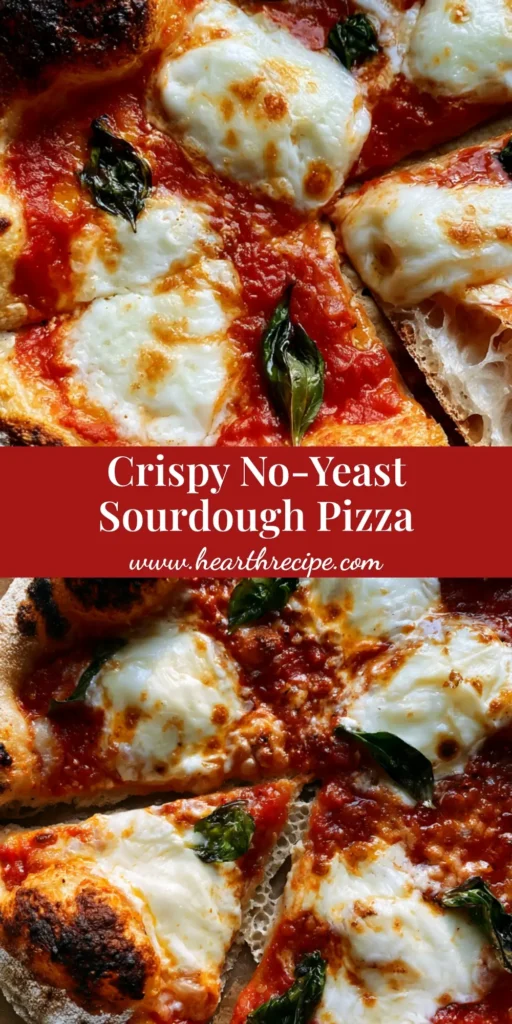
Spread a thin, vibrant layer of red tomato sauce across the center, leaving a 1-inch border for the crust to rise. Place your fresh mozzarella in distinct spots. Do not over-crowd the cheese; you want to see “pools” of white amidst the red sauce. This is the hallmark of a high-end Sourdough Discard Pizza Crust.
The High-Heat Transformation
Slide the parchment and pizza onto the hot stone. Watch through the oven window as the edges puff up and begin to char. This should take only 8-10 minutes. In the last 2 minutes, scatter the fresh basil leaves over the top so they wilt into the cheese without turning black.
Remove the pizza when you see significant golden browning on the cheese and dark, charred spots on the air bubbles of the crust. The parchment should be stained brown, mirroring the rustic nature of the dish.
Expert Tips for the Ultimate Porous Crumb
- Don’t De-gas: When handling the risen dough, be extremely gentle. Those bubbles are what create the porous cross-section you see in professional food photography.
- Steam is Your Friend: If your oven doesn’t get very hot, toss a couple of ice cubes onto the bottom of the oven floor (away from the stone) to create a burst of steam. This keeps the crust surface supple longer, allowing for a bigger rise.
- Flour Choice Matters: Using a flour with a light toasted quality for dusting adds an extra layer of nutty flavor to the Sourdough Discard Pizza Crust.
- The “Windowpane” Test: Before the first rise, stretch a small piece of dough. If it stretches thin enough to see light through without breaking, your gluten is perfectly developed.
Smart Storage and Reheating Secrets
If you have leftover Sourdough Discard Pizza Crust, avoid the microwave at all costs. To preserve that crispy, blistered texture, reheat slices in a dry skillet over medium heat for 2-3 minutes, then add a teaspoon of water to the pan and cover with a lid for 30 seconds to melt the mozzarella pools perfectly.
You can freeze the unbaked dough balls easily. Lightly coat them in olive oil, place in a freezer bag, and store for up to 3 months. Thaw overnight in the refrigerator before stretching and baking as usual.
What to Serve with Your Artisan Pizza
A rustic pizza deserves equally impressive side dishes. To start, a bowl of fresh tomato bruschetta dip captures the same garden-fresh flavors as your pizza topping. If you’re looking for something more substantial for a party, these Mediterranean-style flatbreads offer a great flavor contrast.
For a salty kick, try serving a side of creamy feta and green olive dip with some of the extra crust edges. If you’re hosting a full Italian-inspired dinner, a crisp spicy pineapple cucumber salad provides a refreshing, acidic bite that cuts through the richness of the melted mozzarella.
Frequently Asked Questions
Yes, but for the best air bubbles and crumb structure, let the discard sit at room temperature for 30 minutes to take the chill off before mixing.
Keep the tomato sauce layer thin and tear the mozzarella into chunks rather than shredding it. This creates the ‘pools’ of cheese without releasing too much moisture.
Discard up to 2 weeks old works well. Older discard will provide a more intense tang, while fresh discard is milder. If it’s very old, don’t skip the instant yeast.
High-protein Bread Flour or Italian ’00’ flour is best. They provide the gluten strength necessary to hold large air pockets during the high-heat bake.
This usually happens if the oven or pizza stone isn’t hot enough. Ensure you preheat your stone at 500°F (260°C) for at least 45-60 minutes.
The Ultimate Sourdough Discard Pizza Crust Recipe
Sourdough Discard Pizza Crust: The Secret to Blistered Artisan Pizza at Home
Ingredients
Equipment
Instructions
- In a large bowl, whisk sourdough discard, lukewarm water, and instant yeast until combined and milky.
- Add flour, salt, and olive oil. Mix until a shaggy dough forms, then let rest for 20 minutes for autolyse.
- Perform 4 sets of stretch and folds every 30 minutes, then cover and let rise for 2-3 hours until doubled and bubbly.
- Preheat oven with pizza stone at 500°F (260°C).
- Gently stretch dough on flour-dusted parchment paper, keeping the edges airy for charred air bubbles.
- Spread a thin layer of tomato sauce and place mozzarella chunks to create pools.
- Bake for 8-10 minutes. Add basil in the last 2 minutes until wilted and the crust shows golden browning and char spots.
Notes
Ensure the pizza stone is screaming hot for the best leopard spotting.
Conclusion: Master Your Sourdough Journey
Making a Sourdough Discard Pizza Crust is more than just a way to use up leftovers; it is an exploration of texture and heritage flavors. By focusing on high heat, gentle handling, and quality toppings like fresh mozzarella and basil, you can create a pizza that looks and tastes like it came from a wood-fired oven in Naples.
We would love to see your blistered crusts and airy crumbs! Leave a comment below with your results, and don’t forget to share your photos and pin this recipe to your favorite boards on Pinterest so you never lose this artisan technique.