
When the sun hangs low and the air grows heavy with the scent of late summer, there is no dessert quite as captivating as warm Baked Peaches. These aren’t just simple roasted fruits; they are transformed vessels of molten honey-butter and aromatic spices that capture the very essence of the harvest season.
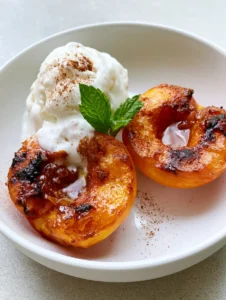
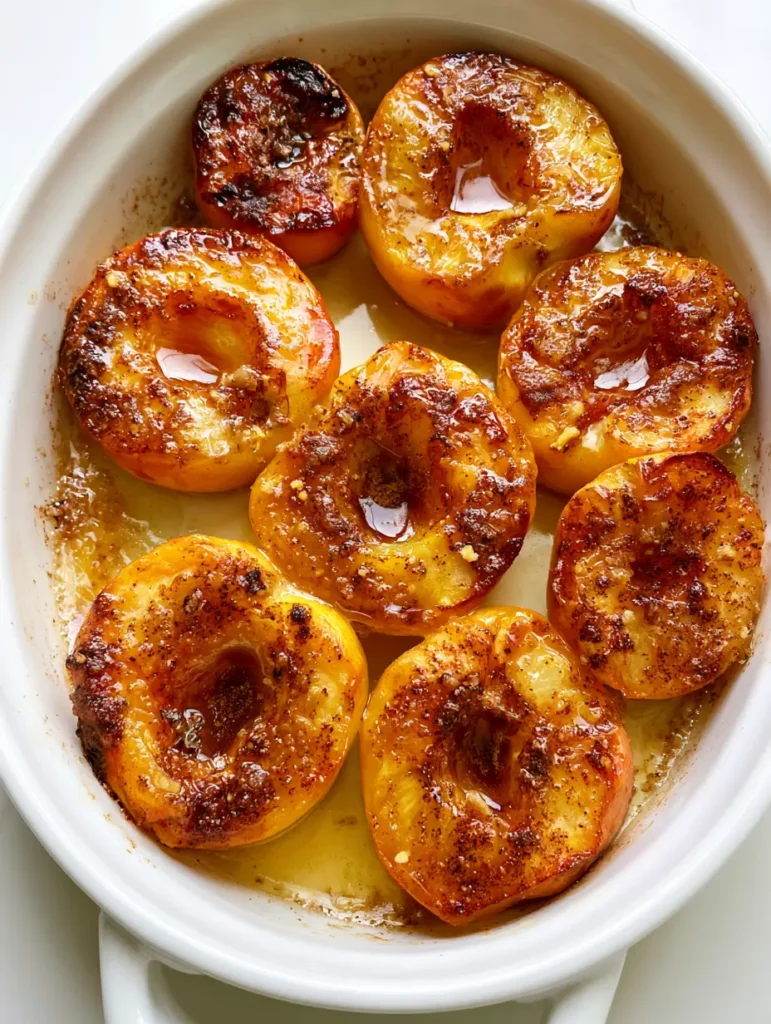
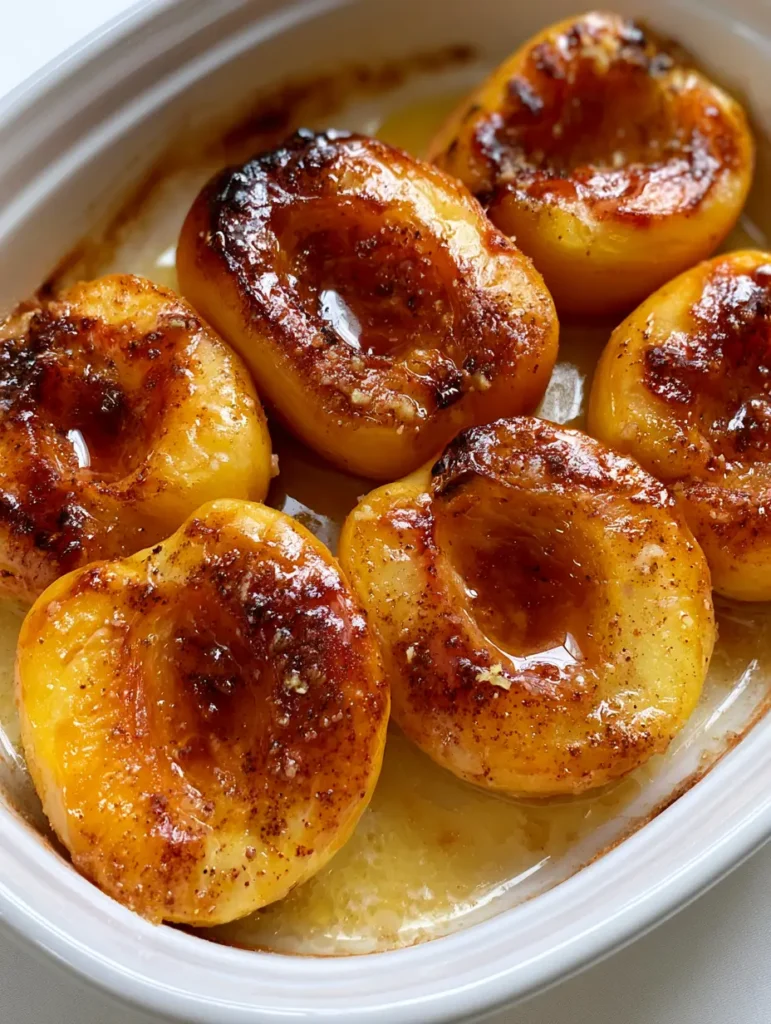
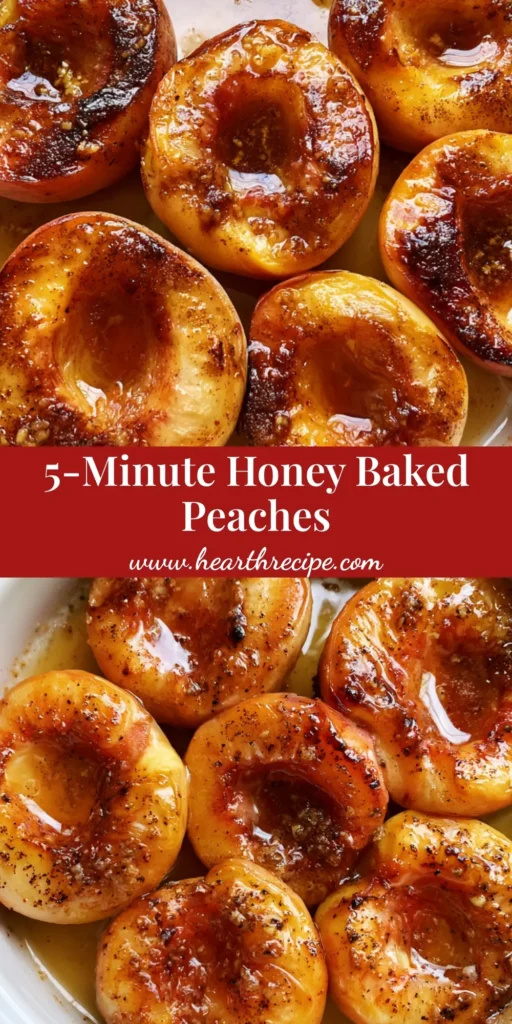
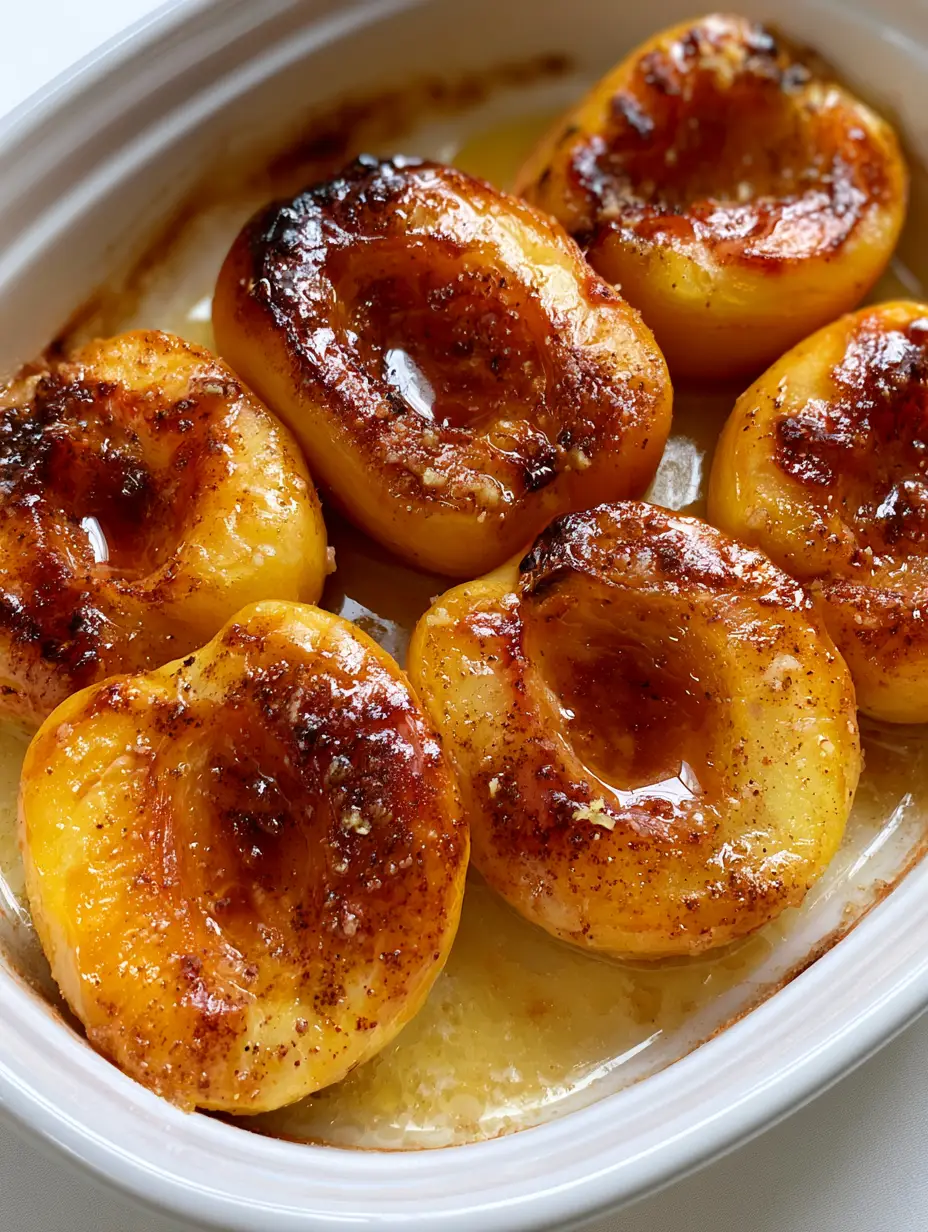
Imagine pulling a white ceramic dish from the oven, the air filling with the scent of toasted cinnamon and zesty ginger. You see the halved peaches, their edges perfectly blistered and caramelized into a deep golden-brown, while the center pits have become natural bowls for a bubbling, amber-colored sauce.
This recipe for Baked Peaches is designed to be both rustic and sophisticated, requiring minimal effort but delivering a sensory experience that rivals any complex pastry. It is the ultimate solution for those who want a wholesome, impressive dessert that lets the natural beauty of the fruit shine through.
Why These Honey Roasted Peaches Are the Ultimate Guilt-Free Dessert
The beauty of this dish lies in its simplicity and the scientific magic that happens under the heat of the oven. Here is why this recipe will become a permanent fixture in your culinary repertoire:
- Perfectly Balanced Textures: You will achieve a soft, tender fruit flesh that remains structurally sound, contrasted by those chewy, caramelized fruit edges that provide a concentrated punch of peach flavor.
- Natural Flavor Enhancement: By using a combination of melted butter and honey, we create a glossy, thin sauce that seeps into the fruit, enhancing its natural sugars without masking them.
- Warm Spice Profile: The specific ratio of ground cinnamon and tiny specks of ginger provides a gentle heat that cuts through the richness of the butter, creating a complex flavor profile.
- Visual Elegance: As specified in our visual blueprint, the result is a stunning top-down display of bubbling juices and vibrant fruit that looks incredible in any serving dish.
Whether you are hosting a summer dinner party or looking for a cozy weeknight treat, these Baked Peaches offer a refined sweetness that feels indulgent yet remarkably light. The “pools of amber-colored sauce” mentioned in our visual prompt are not just for show; they are the concentrated nectar of the fruit, ready to be spooned over each bite.
The Anatomy of a Perfectly Caramelized Baked Peach
To achieve the exact visual result of soft peaches with charred, golden edges, every ingredient must serve a structural and flavor-focused purpose. Here is what you will need for your Baked Peaches:
Fresh Peaches: You need 4 large, ripe but firm peaches. Using freestone varieties makes it easier to achieve that clean, hollowed-out center pit look described in our visual guide.
Unsalted Butter: 4 tbsp (56g) of high-quality butter provides the fat necessary for the “blistered” texture. It emulsifies with the peach juices to create that thin, glossy sauce that bubbles at the edges.
Raw Honey: 1/4 cup (85g) of honey is essential for the amber color. Its sugar profile caramelizes at a lower temperature than granulated sugar, ensuring those “golden-brown edges” without burning the fruit.
Ground Cinnamon: 1 tsp (2g) of cinnamon adds the visible “sprinkles” seen in the visual prompt. It provides an earthy warmth that pairs naturally with the stone fruit’s acidity.
Ground Ginger: 1/2 tsp (1g) of ginger offers those “tiny specks” of flavor. It adds a subtle zing that prevents the honey-butter glaze from feeling overly cloying or one-dimensional.
Fine Sea Salt: A tiny pinch (0.5g) is a “foundational invisible ingredient.” Salt is a flavor magnifier that makes the peach taste more like a peach and balances the sweetness of the honey.
Lemon Juice: 1 tsp (5ml) of fresh lemon juice helps prevent oxidation and adds a necessary hit of acid to the “glossy and thin” sauce, keeping the flavors bright and vibrant.
Essential Kitchen Tools for the Perfect Roast
To replicate the “top-down smartphone photo” aesthetic of a professional kitchen, you need the right vessels. The most critical tool is a white ceramic casserole dish, which provides even heat distribution and a neutral background that makes the amber juices pop.
You will also need a sharp paring knife to slice the peaches cleanly in half. A small whisk or fork is necessary to blend the honey, melted butter, and spices into a homogenous glaze before roasting.
Finally, a pastry brush can be helpful for ensures every inch of the peach halves is coated, though spooning the mixture directly into the pits—as seen in our visual blueprint—is the best way to create those iconic pools of sauce.
Step-by-Step: How to Master This Baked Peaches Recipe
Follow these steps closely to ensure your Baked Peaches achieve the specific “soft and tender” texture with “caramelized edges” described in our culinary forensic analysis.
Step 1: Preparing the Fruit and Oven
Preheat your oven to 400°F (200°C). This high temperature is the secret to achieving the blistered edges while keeping the centers tender. Wash the peaches thoroughly and dry them completely; excess water will steam the fruit rather than roast it.
Step 2: The Precision Halving Technique
Cut each peach in half along the seam, twisting gently to separate them. Remove the pits. If you are using clingstone peaches, use a small metal spoon to carefully scoop out the pit and any fibrous bits to create a clean “well” for the sauce.
Step 3: Creating the Honey-Butter Emulsion
In a small microwave-safe bowl, melt the 4 tbsp (56g) of butter. Whisk in the 1/4 cup (85g) of honey, 1 tsp (2g) of cinnamon, 1/2 tsp (1g) of ginger, and a pinch of salt. The mixture should be fragrant and slightly thickened but still pourable.
Step 4: Arranging and Glazing
Place the peach halves cut-side up in your white ceramic dish. Spoon the honey-butter mixture generously into each pit. The excess will run down the sides and collect at the bottom, which is exactly how you get those “bubbling juices” during the bake.
Step 5: The Roasting Process
Slide the dish into the center rack of the oven. Bake for 25-30 minutes. Around the 15-minute mark, use a spoon to baste the peaches with the juices from the bottom of the dish to ensure even caramelization across the tops.
Step 6: Monitoring for Visual Cues
Look for the edges to turn a deep golden-brown and the juices to start bubbling vigorously. The peaches should look “soft and tender”—you can test this by piercing the thickest part of the fruit with a knife; it should slide in with zero resistance.
Pro Tips for Selecting and Prepping Your Fruit
The success of Baked Peaches depends heavily on the state of the fruit before it even enters the oven. If your peaches are rock-hard, the centers will remain crunchy even after the edges have burned.
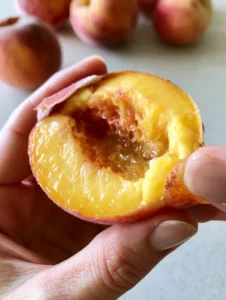
- The Ripeness Test: Give the peach a gentle squeeze in the palm of your hand. It should have a slight give, similar to a ripe avocado. If it’s too soft, it will collapse into mush during roasting.
- Skin On or Off? Keep the skin on! The skin holds the fruit together and is where much of the beautiful caramelization happens. It becomes incredibly tender and easy to eat after roasting.
- Spice Variations: While our blueprint calls for cinnamon and ginger, you can add a scraping of fresh vanilla bean to the honey-butter for an even deeper, more complex aroma.
- Avoid Overcrowding: Ensure the peach halves aren’t squeezed too tightly together. They need space for the hot air to circulate so the edges can “blister” properly.
The Best Ways to Store and Reheat Your Roasted Harvest
While Baked Peaches are best served warm and bubbling straight from the oven, they do store surprisingly well. To keep them fresh, allow the peaches to cool completely to room temperature before transferring them to an airtight container.
You can store these in the refrigerator for up to 3 days. The honey-butter sauce will solidify when cold, so it is essential to reheat them gently to restore that “glossy and thin” consistency.
To reheat, place the peaches in a microwave-safe dish and heat in 30-second intervals, or place them back in a 350°F (175°C) oven for 10 minutes. Avoid freezing roasted peaches, as the cellular structure of the fruit breaks down and becomes unpleasantly mealy upon thawing.
Irresistible Pairings for Warm Baked Peaches
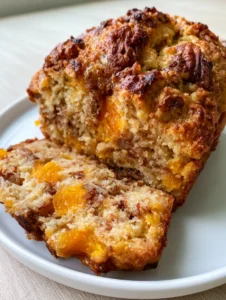
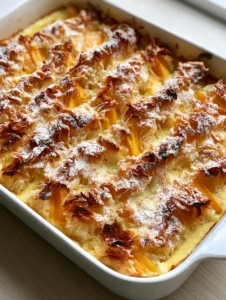
These Baked Peaches are a standalone masterpiece, but they also play well with other desserts. If you have extra peaches on hand, you might consider making a fresh peach cake to serve alongside them for a true celebration of stone fruit.
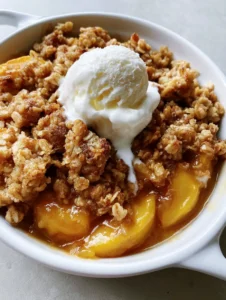
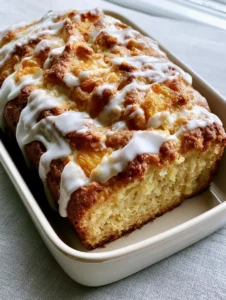
For a bit of crunch, serve these over a slice of peach cobbler pound cake. The warm juices will soak into the dense cake, creating a decadent, multi-textured experience. If you prefer a colder contrast, a scoop of vanilla bean ice cream melting into the center pit of the peach is a classic for a reason.
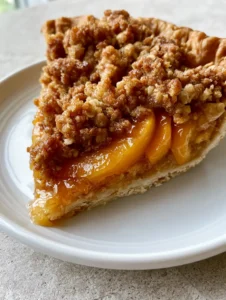
For those who love a bit of southern flair, these peaches are the perfect precursor to learning how to make a traditional southern peach cobbler (coming soon). The flavors are similar, but the baked peaches offer a lighter, fruit-forward alternative.
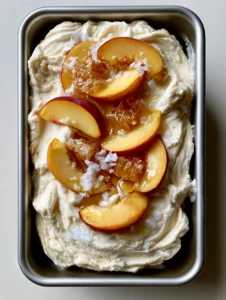
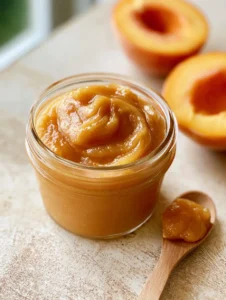
If you’re looking for something more portable, try using the same cinnamon-ginger spice profile in these peach crumble bars (coming soon). They offer that same caramelized fruit flavor in a convenient hand-held form.
Common Questions About Roasting Stone Fruit
While technically possible, canned peaches are already cooked and soft. They won’t hold up to the high-heat roasting required to get those iconic caramelized edges and will likely turn to mush.
Yes, maple syrup is a great substitute. However, honey has a slightly different sugar structure that creates a thicker, more ‘amber’ pool of sauce in the pit centers.
No, it is better to leave the skin on. The skin helps the peach maintain its shape and provides a surface for the honey-butter to caramelize and blister beautifully.
Look for three cues: the flesh should be tender when pierced with a knife, the juices should be bubbling at the edges of the dish, and the skin should look slightly charred and golden-brown.
This usually happens if the oven temperature is too low or if the peaches were too wet. Ensure your oven is at 400°F (200°C) and dry the fruit thoroughly before adding the glaze.
The Ultimate Recipe for Golden Baked Peaches
Ready to bring this visual masterpiece to life? Below is the exact breakdown of measurements and timings to achieve the perfect dish of Baked Peaches every single time.
Baked Peaches with Honey, Cinnamon, and Warm Ginger Glaze
Ingredients
Equipment
Instructions
- Preheat your oven to 400°F (200°C) and prepare your white ceramic baking dish.
- Slice peaches in half and remove the pits. Arrange them cut-side up in the dish.
- In a small bowl, whisk together melted butter, honey, cinnamon, ginger, lemon juice, and salt.
- Spoon the glaze into the center of each peach, letting the excess pool in the dish.
- Bake for 25-30 minutes until the edges are golden-brown and juices are bubbling and thin.
Notes
Baste the fruit halfway through the cook time for maximum glossiness.
Closing & Call to Action
Baked Peaches are more than just a dessert; they are a celebration of seasonal simplicity. By following this guide, you’ve mastered the art of the perfect honey-butter glaze and the high-heat roast that creates those irresistible caramelized edges.
Did you try this recipe? We would love to hear how yours turned out! Leave a comment below or share your “smartphone photo” of your bubbling peaches with us. Don’t forget to follow Hearth_Recipe on Pinterest for more stone fruit inspiration and seasonal delights!