






There’s a certain magic that fills the air when a truly classic homemade stuffing recipe is baking in the oven. It’s more than just a side dish; it’s the aroma of holidays, the centerpiece of comfort food, and the texture that defines a festive meal. This isn’t just any recipe—it’s a promise of a perfectly moist interior packed with savory flavor, all sealed under a gloriously golden-brown, crispy top layer that provides the most satisfying crunch.
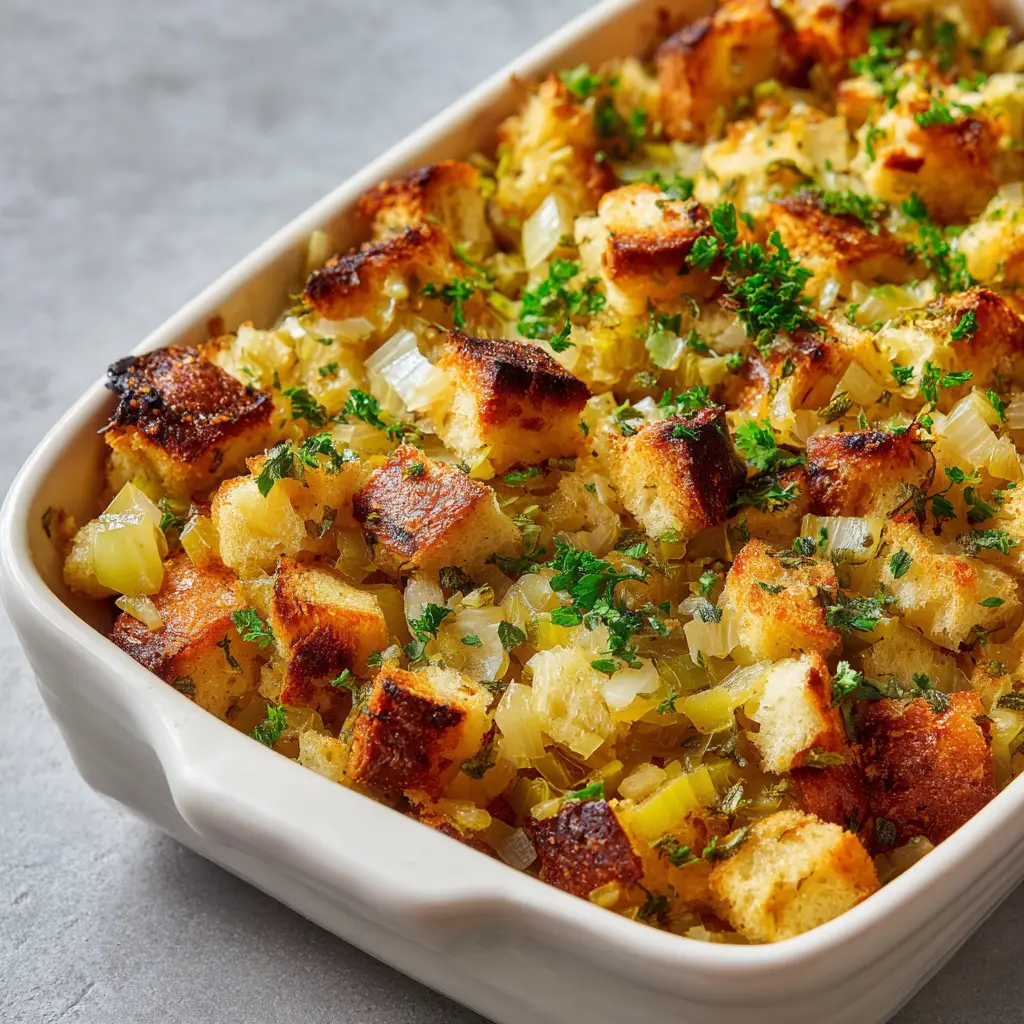
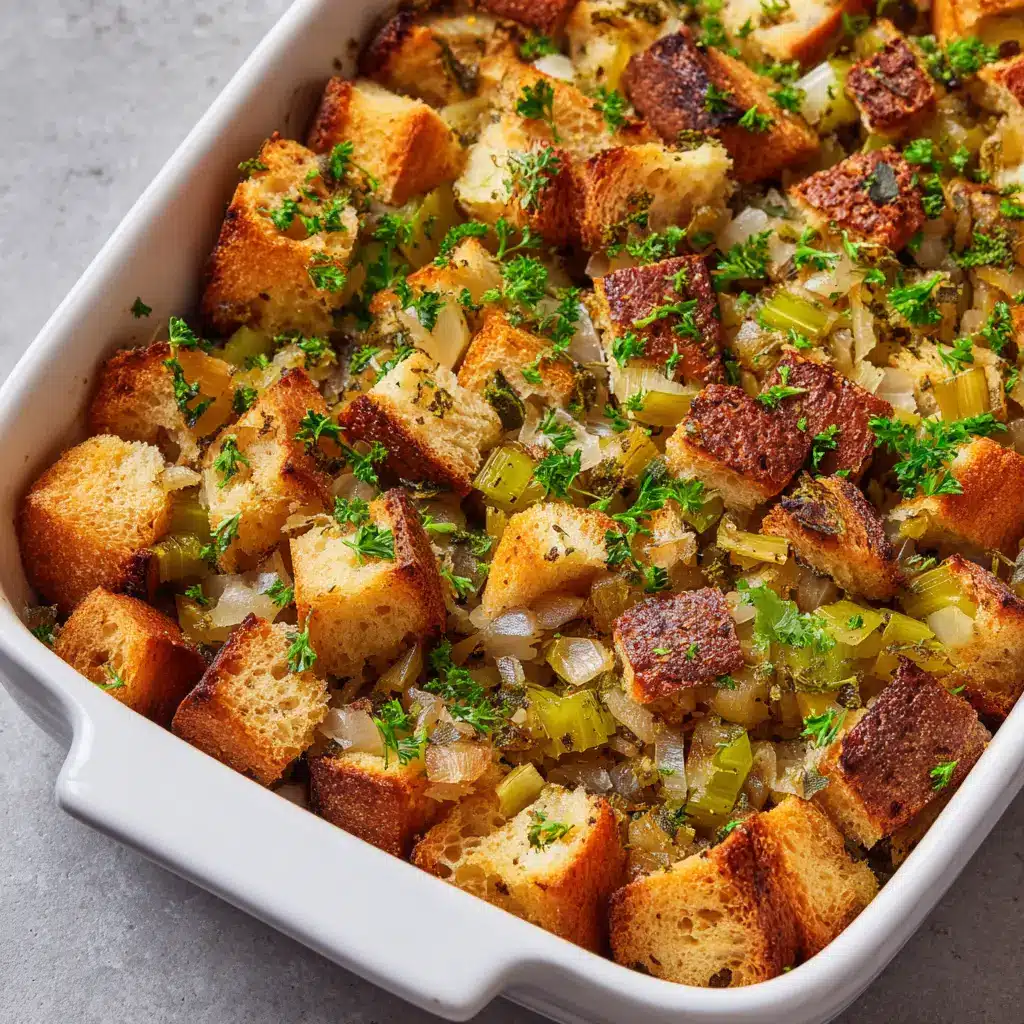
Forget the boxed mixes and their uniform, bready taste. We’re diving into a from-scratch version that uses torn, toasted artisan bread as its foundation, creating incredible texture. You’ll see the gorgeous translucent, sauteed yellow onions and softened pale green celery woven throughout, delivering a foundational aromatic sweetness. This homemade stuffing recipe is designed to look exactly like that perfect, unedited photo you’d be proud to take in your own kitchen—rustic, delicious, and undeniably real.
Why This Classic Stuffing Recipe Will Steal the Show
This isn’t just about mixing bread and broth. It’s a carefully constructed recipe designed to deliver on every sensory level. Here is what makes this the ultimate homemade stuffing recipe:
- Unbeatable Texture: We use roughly torn artisan bread, which we toast to perfection. This crucial step ensures the bread soaks up all the savory liquid without turning to mush, creating a moist, tender interior with a distinct, toothsome structure.
- Aromatic Depth of Flavor: The simple, classic combination of sauteed yellow onion and celery creates a sweet and savory base. This is elevated by the piney, earthy notes of dried rubbed sage and the fresh, bright finish of chopped parsley.
- The Perfect Crispy Top: The crowning glory is the top layer. By baking it in a casserole dish and dotting it with butter, the surface bread cubes bake into a crispy, golden-brown crust with irresistibly charred edges, contrasting beautifully with the soft interior.
- Visually Stunning: Following the recipe precisely yields a dish that looks as good as it tastes—a beautiful mosaic of colors and textures, from the pale green celery to the golden bread, all nestled in a classic casserole dish.
The Anatomy of Perfect Stuffing: Key Ingredients
Every ingredient here plays a critical role in achieving the perfect balance of moisture, flavor, and texture. Here’s what you’ll need and why:
For the Bread Base
- Artisan Bread: 1 loaf (about 1 lb / 450g), preferably day-old sourdough, ciabatta, or French bread. A sturdy, open-crumb bread provides the structure needed to absorb the broth without disintegrating, creating those beautiful, rough cubes.
- Unsalted Butter: 4 tbsp (60g), melted. This is used to toast the bread cubes, giving them a rich flavor and helping them brown beautifully in the oven.
For the Aromatic Vegetable Mix
- Unsalted Butter: 4 tbsp (60g). Used for sauteing the vegetables, this adds a creamy richness that oil simply can’t replicate.
- Yellow Onion: 1 large, diced. When sauteed until translucent, yellow onion provides a deep, slightly sweet aromatic foundation that is essential to classic stuffing flavor.
- Celery: 3 stalks, diced. Celery adds a crucial savory, slightly vegetal note and a wonderful tenderness once softened. The pale green pieces are visually iconic.
For the Savory Custard and Herbs
- Large Eggs: 2. The eggs are the secret binder that holds the stuffing together and creates a slightly custardy, rich, and moist interior.
- Chicken or Turkey Broth: 3-4 cups (720-960ml), low-sodium. This is the primary source of moisture and savory flavor. We’ll use just enough to make the bread moist, not swimming.
- Fresh Parsley: 1/2 cup (20g), finely chopped. Parsley introduces a fresh, clean, and vibrant green flavor that cuts through the richness.
- Dried Rubbed Sage: 2 tsp (4g). This is the quintessential herb for stuffing. Its woodsy, peppery flavor is synonymous with holiday meals.
- Salt and Black Pepper: 1 tsp (6g) kosher salt and 1/2 tsp (1g) freshly ground black pepper, or to taste. These are fundamental seasonings that sharpen and elevate all the other flavors.
Essential Tools for Your Stuffing Success
You don’t need fancy equipment to make this stunning homemade stuffing recipe. Here are the kitchen essentials:
- Large Baking Sheet: For toasting the bread cubes evenly.
- Large Skillet or Dutch Oven: For sauteing the onions and celery to tender perfection.
- Large Mixing Bowl: To bring all the components together without making a mess.
- 9×13 inch (23×33 cm) Casserole Dish: The perfect vessel for baking. A white ceramic dish, as seen in the photos, provides a classic presentation.
Crafting the Perfect Homemade Stuffing: A Step-by-Step Visual Guide
Follow these steps closely, paying attention to the sensory cues, to build a stuffing that is flawless in both taste and appearance.
Step 1: Creating the Toasted Artisan Bread Base
First, preheat your oven to 375°F (190°C). While it heats, tear your artisan bread into rough, 1 to 1.5-inch (2.5-4 cm) cubes. Don’t aim for perfection; the irregular shapes and sizes create wonderful texture. Spread the cubes in a single layer on a large baking sheet, drizzle with 4 tbsp (60g) of melted butter, and toss to coat.
Bake for 15-20 minutes, tossing halfway through, until the bread is lightly toasted and golden. You’re looking for cubes that are dry and crisp on the outside but still have a little give on the inside. This drying process is vital for preventing soggy stuffing.
Step 2: Building the Aromatic Foundation
While the bread toasts, melt the remaining 4 tbsp (60g) of butter in a large skillet over medium heat. You should hear a gentle sizzle. Add the diced yellow onion and celery. Cook, stirring occasionally, for 8-10 minutes.
Your sensory cue here is visual: the onions will become soft and translucent, and the celery will turn a softened, pale green. The aroma will be sweet and savory. This gentle cooking coaxes out their flavor without browning them.
Step 3: Combining and Soaking for Maximum Flavor
Place your toasted bread cubes in a large mixing bowl. Scrape the sauteed onion and celery mixture, along with any butter from the pan, over the bread. Sprinkle the chopped fresh parsley, dried sage, salt, and pepper on top. Toss everything together gently to distribute the ingredients.
In a separate bowl, whisk the two eggs together. Slowly pour in 3 cups (720ml) of the broth while whisking to combine. Pour this egg-broth mixture evenly over the bread. Gently fold everything together until the bread is uniformly moist but not saturated. If it still looks dry in spots, add up to 1 more cup (240ml) of broth, a little at a time. Let it sit for 5-10 minutes to allow the bread to fully absorb the liquid.
Step 4: Baking to Golden-Brown, Crispy Perfection
Transfer the stuffing mixture to your 9×13 inch casserole dish, spreading it into an even layer without compacting it too much. For an extra crispy top, you can dot the surface with a few small pieces of butter (about 1 tbsp).
Bake uncovered at 375°F (190°C) for 30-40 minutes. The visual cues are key here. The stuffing is done when the top is a deep golden brown, with crispy-looking edges on the bread cubes, and the center is hot and set. Let it rest for a few minutes before serving to allow it to firm up slightly.
Our Top Secrets for Stuffing That’s Never Dry or Soggy
- Use Day-Old Bread: Stale, drier bread has less moisture to start with, meaning it can absorb more broth and flavor without turning into paste.
- Don’t Over-Saturate: Add the broth gradually. The goal is for the bread to be moist, not swimming in liquid. The mixture should feel damp, not waterlogged.
- The Egg is Non-Negotiable: The egg acts as a binder, creating a light, custardy texture that holds the stuffing together and prevents it from being a crumbly mess.
- Don’t Compact It: When you put the stuffing in the casserole dish, keep it light and airy. Packing it down will result in a dense, heavy final product.
Make-Ahead Magic: Storing and Reheating Your Stuffing
This homemade stuffing recipe is perfect for planning ahead, especially for busy holiday meals.
To Store: Once cooled, store the stuffing in an airtight container in the refrigerator for up to 4 days.
To Reheat: For best results, place the stuffing in an oven-safe dish, sprinkle with a tablespoon or two of broth to re-moisten, and bake at 350°F (175°C) for 15-20 minutes, or until heated through. This method helps bring back that wonderful crispy top.
To Freeze: You can freeze baked and cooled stuffing in an airtight, freezer-safe container for up to 3 months. Thaw it overnight in the refrigerator before reheating as described above.
What to Serve With Your Show-Stopping Stuffing
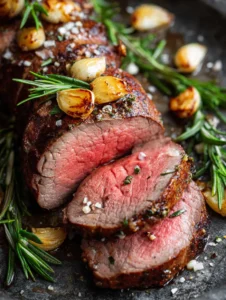
This classic homemade stuffing is the ultimate team player, pairing beautifully with a wide range of main courses. It’s a natural fit for your Thanksgiving turkey or a holiday roast. For a truly memorable feast, consider serving it alongside a show-stopping main course like a juicy beef tenderloin.
Beyond the holidays, it’s a comforting side for weeknight dinners. It complements rustic dishes perfectly, like savory chicken and dumplings or a hearty slow-cooker beef stew. The savory flavors also work beautifully with a cozy baked winter vegetable casserole for a complete comfort food experience.
Your Homemade Stuffing Questions, Answered
Here are answers to some common questions about making stuffing from scratch.
Absolutely. To make this recipe vegetarian, simply substitute the chicken or turkey broth with a high-quality vegetable broth. The rest of the ingredients are already vegetarian-friendly.
Yes. You can assemble the entire stuffing in the casserole dish, cover, and refrigerate it for up to 24 hours before baking. You may need to add 10-15 minutes to the baking time since it will be chilled.
The most important step is to toast the bread cubes in the oven first. This dries them out, allowing them to absorb the liquid properly. Also, be careful not to add too much broth—the mixture should be moist, not swimming in liquid.
A sturdy, day-old artisan bread with an open crumb like sourdough, French bread, or ciabatta is best. Its dry, firm texture allows it to soak up the broth and flavors without becoming mushy, which is key to a great stuffing texture.
Technically, ‘stuffing’ is cooked inside the cavity of a bird, while ‘dressing’ is baked separately in a casserole dish. However, the terms are often used interchangeably, and this recipe, which is baked separately, is commonly called stuffing.
The Only Homemade Stuffing Recipe You’ll Ever Need
Ready to create the most delicious stuffing of your life? This recipe is tested, perfected, and ready to become a treasured part of your holiday traditions. Just below, you’ll find the printable recipe card with all the precise measurements and steps.
Homemade Stuffing Recipe That's Perfectly Moist and Crispy Every Time
Ingredients
Equipment
Instructions
- Preheat oven to 375°F (190°C). Tear the bread into 1 to 1.5-inch cubes and spread on a baking sheet. Drizzle with 4 tbsp of melted butter, toss, and bake for 15-20 minutes until golden and crisp. Set aside.
- In a large skillet over medium heat, melt the remaining 4 tbsp of butter. Add the diced onion and celery and cook for 8-10 minutes until softened and translucent.
- In a large bowl, combine the toasted bread cubes, the sauteed vegetables, fresh parsley, rubbed sage, salt, and pepper. Toss to mix.
- In a separate bowl, whisk the eggs and 3 cups of broth. Pour over the bread mixture and gently fold until everything is moist. Add more broth if needed. Let stand for 10 minutes.
- Transfer the mixture to a 9x13 inch casserole dish. Bake uncovered for 30-40 minutes, until the top is golden brown and crispy and the center is set. Let rest for a few minutes before serving.
Notes
Don't Over-Saturate: Add the broth gradually. The goal is for the bread to be moist, not swimming in liquid.
The Egg is Non-Negotiable: The egg acts as a binder, creating a light, custardy texture that holds the stuffing together.

Share Your Stuffing Success!
We absolutely love seeing your culinary creations. If you make this homemade stuffing recipe, please leave a comment below and let us know how it turned out! Your feedback helps our entire community of home cooks.
For more visually stunning and delicious recipes, be sure to follow us on Pinterest. Pin this recipe to save it for your next big dinner—your friends and family will thank you!