







Baking the perfect batch of Gluten Free Chocolate Cookies can often feel like a culinary gamble, but this meticulously developed recipe removes all the guesswork. If you have been searching for a deeply rich, intensely dark brown dessert that perfectly mimics a high-end bakery experience, your search ends here. These cookies deliver a profoundly fudgy center encased in a delicate, crinkly exterior.
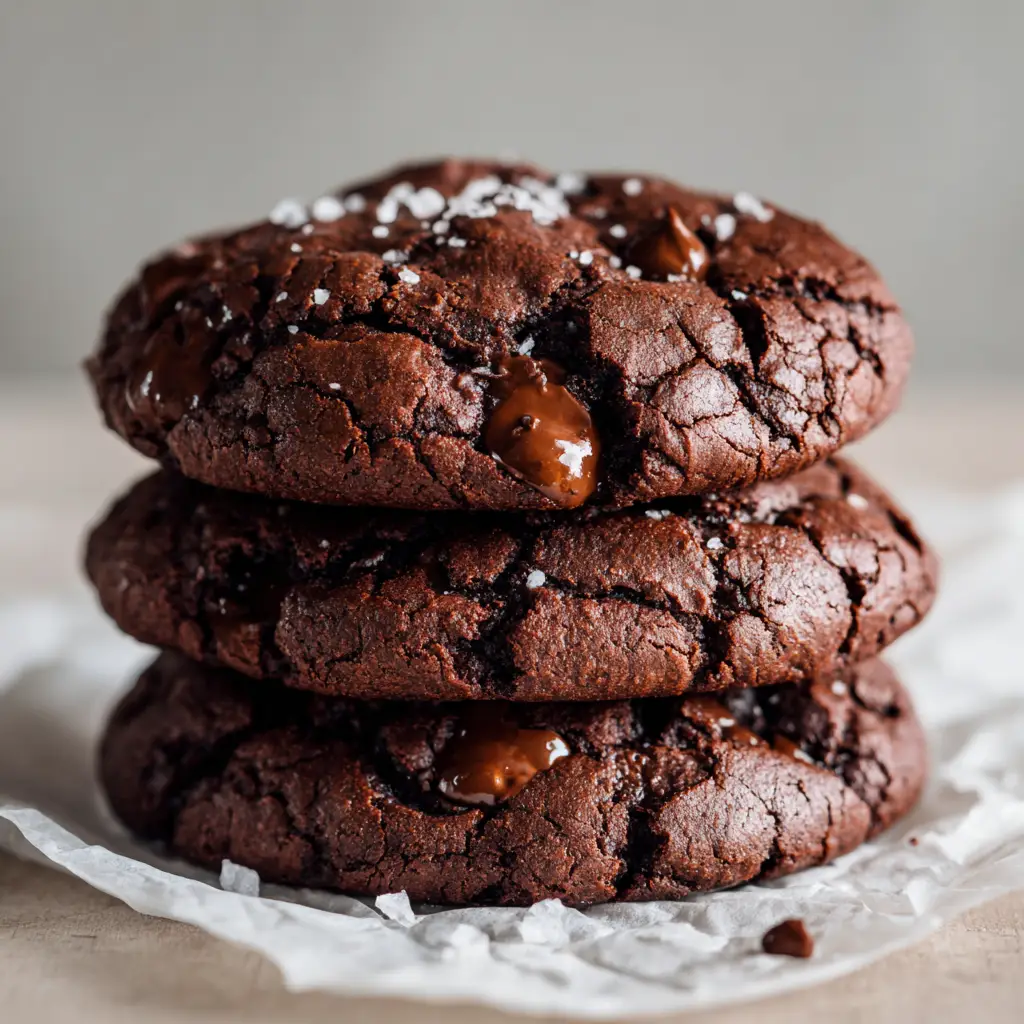
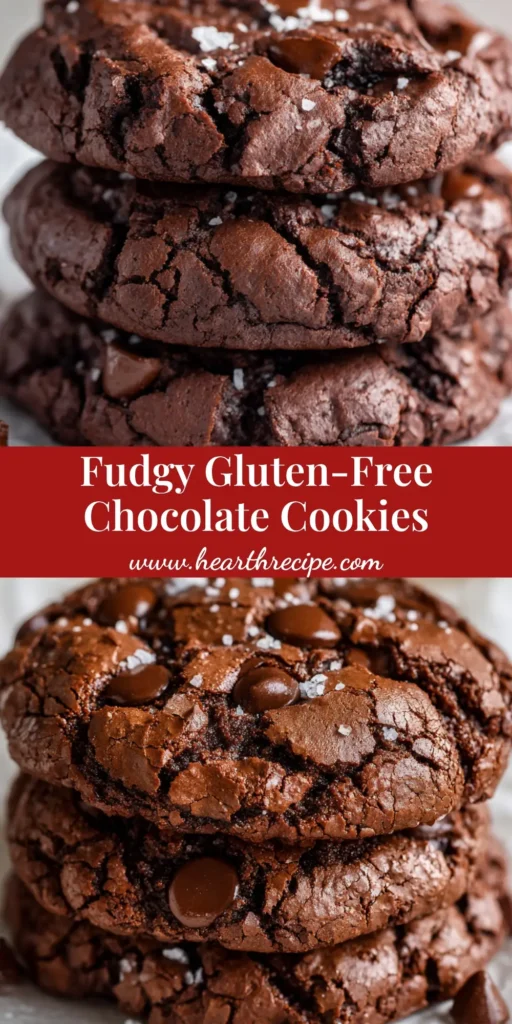
Every bite is thoughtfully engineered for maximum chocolate impact, utilizing specific foundational ingredients to build exceptional structure. You will not find any dry, crumbly textures here. Instead, these Gluten Free Chocolate Cookies boast a baked, cracked, crinkly top texture with slightly glossy crevices that signal an impossibly rich interior.
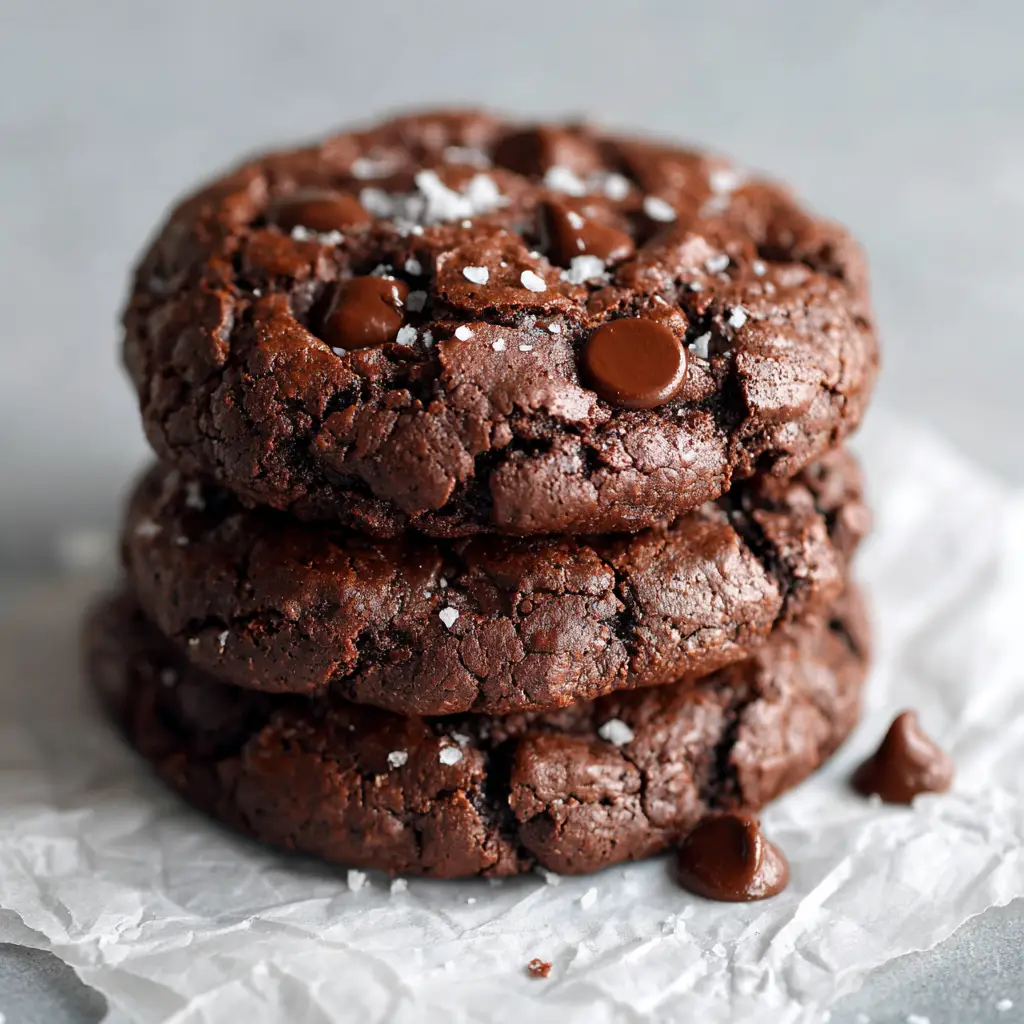
To finish the aesthetic and flavor profile, these beauties are prominently studded with semi-sweet chocolate chips that remain visibly melted long after baking. A final shower of small white coarse sea salt flakes balances the sweetness, making this a sophisticated treat for any enthusiastic home cook.
Why You Will Obsess Over These Decadent Dark Brown Bakes
- Unmatched Textural Contrast: Experience the perfect harmony of crispy, crinkled edges giving way to a dense, brownie-like fudgy center.
- Visually Stunning Presentation: The stark contrast of coarse sea salt flakes against the dark brown, glossy crevices looks incredibly professional.
- Intensely Chocolatey Flavor: Dutch-process cocoa and melted semi-sweet chocolate chips create a double-chocolate impact that masks any gluten-free flour aftertaste.
- Reliable Structural Integrity: Scientifically balanced to prevent excessive spreading, ensuring a spectacularly thick and satisfying bite every single time.
The Scientific Foundation for Flawless Fudgy Texture
Gluten-Free 1-to-1 Baking Flour: You need 1 1/2 cups (210g) of a high-quality gluten-free flour blend that contains xanthan gum. This invisible structural pillar acts as the gluten substitute, preventing the cookies from falling apart.
Dutch-Process Cocoa Powder: Using 1/2 cup (50g) of high-quality Dutch-process cocoa is non-negotiable for that intense, signature dark brown color. It provides a smoother, earthier chocolate flavor compared to standard natural cocoa powder.
Unsalted Butter: Melt exactly 1/2 cup (113g) of unsalted butter to serve as the primary liquid fat. Using melted butter instead of softened butter encourages the development of those coveted glossy crevices on the cookie’s surface.
Dark Brown Sugar: Incorporate 3/4 cup (150g) of packed dark brown sugar to inject vital moisture into the dough. The high molasses content is the secret weapon for achieving a genuinely fudgy, chewy interior.
Granulated White Sugar: Adding 1/4 cup (50g) of white sugar aids in the spreading and caramelization process. It is directly responsible for creating the baked, cracked, crinkly top texture we desire.
Eggs (Whole and Yolk): You will need 1 large egg plus 1 additional egg yolk, both at room temperature. The extra fat from the solitary yolk binds the dough tightly and drastically enhances the rich, velvety mouthfeel.
Leavening Agents: Exactly 1 tsp (5g) of baking soda interacts with the acidic components to give the cookies a slight lift before collapsing into crinkles. This chemical reaction is essential for proper textural development.
Vanilla Extract: Splash in 1 tsp (5ml) of pure vanilla extract. This acts as a flavor enhancer, amplifying the nuanced aromatic notes of the cocoa powder.
Semi-Sweet Chocolate Chips: Measure out 1 1/2 cups (255g) of semi-sweet chocolate chips, reserving a handful for pressing into the tops later. These provide pockets of molten goodness and ensure the cookies are visibly studded with chocolate.
Coarse Sea Salt Flakes: Keep 1 tsp (3g) of small white coarse sea salt flakes on hand for finishing. Sprinkling these over the hot, melted chocolate chips cuts the richness and elevates the visual appeal.
Essential Equipment for Bakery-Quality Results
To replicate the exact aesthetic of these thick, dark brown treats, having the right tools is just as important as the ingredients. A reliable stand mixer or high-powered electric hand mixer is crucial for properly emulsifying the melted butter and sugars. This emulsification process dictates the final glossy texture of the bake.
You will also need a large, spring-loaded cookie scoop (about 3 tablespoons in volume) to ensure uniform thickness across the entire batch. Heavy-duty aluminum baking sheets lined with crinkled white parchment paper prevent the bottoms from burning while allowing for even heat distribution.
Finally, prepare a smooth, light oak wooden surface or cooling rack for resting the freshly baked cookies. Transferring them carefully on the parchment paper to a wooden board helps gently halt the cooking process while providing a stunning backdrop for presentation.
Mastering the Art of the Cracked, Glossy Cookie
Emulsifying the Wet Ingredients for Maximum Gloss
Begin by pouring the slightly cooled, melted butter into a large mixing bowl alongside the dark brown sugar and granulated sugar. Vigorously whisk or beat these ingredients together for at least 2 minutes until the mixture lightens slightly and forms a cohesive, syrupy paste. This extended mixing time is the vital culinary secret to producing slightly glossy crevices on the finished bake.
Once the sugars and butter are homogenized, add the room-temperature whole egg, the extra egg yolk, and the vanilla extract. Continue to beat the wet mixture for another 60 seconds until completely smooth. The resulting batter should look silky and smell intensely of sweet molasses and vanilla.
Building the Dark Brown Dry Foundation
In a separate medium bowl, whisk together the gluten-free 1-to-1 baking flour, Dutch-process cocoa powder, and baking soda. Whisking aerates the dry ingredients and ensures the leavening agent is evenly distributed. You want to completely eliminate any stubborn cocoa lumps to guarantee a smooth, uniform dark brown color throughout the dough.
Gently fold the dry flour mixture into the wet ingredients using a sturdy silicone spatula. Stop mixing just before the last streaks of flour disappear, as overmixing gluten-free flour can sometimes result in an undesirably gummy texture.
Incorporating the Mix-Ins and Chilling the Dough
Pour the semi-sweet chocolate chips into the dough, purposefully reserving about 1/4 cup (40g) for the tops. Gently fold the chips until they are evenly dispersed throughout the intensely dark brown batter. The dough will be exceptionally thick and sticky at this stage, which is exactly what you want.
Cover the mixing bowl tightly with plastic wrap and place it in the refrigerator for a minimum of 45 minutes. This chilling period allows the gluten-free flour to fully hydrate and solidifies the butter. Skipping this step will cause the cookies to spread into puddles rather than baking into a stack of thick, satisfying treats.
Baking for the Perfect Crinkled Texture
Preheat your oven to 350°F (175°C) and line two large baking sheets with crinkled white parchment paper. Using your large cookie scoop, portion the chilled dough into mounds, placing them about 2 inches apart on the prepared sheets. Take your reserved semi-sweet chocolate chips and gently press a few into the top of each dough ball so they will be prominently studded after baking.
Bake on the middle rack for exactly 11 to 12 minutes. You are looking for specific visual cues: the edges should appear set and the tops should boast a baked, cracked, crinkly top texture. The centers will still look quite soft and underbaked; this is crucial for achieving the fudgy interior as they will continue to cook via residual heat.
Finishing with Precision and Cooling Aesthetics
Immediately upon removing the baking sheets from the oven, sprinkle the tops of the cookies with the small white coarse sea salt flakes. Aim specifically for the pockets of semi-sweet chocolate chips that are visibly melted. Allow the cookies to rest on the hot baking sheet for 5 minutes to stabilize their structure.
Carefully slide the crinkled white parchment paper, with the cookies still resting on it, directly onto a smooth, light oak wooden surface. Allowing them to cool in this arrangement encourages the glossy crevices to set perfectly. A few loose chocolate chips scattered on the parchment paper immediately around the base will give it that irresistible bakery-window charm.
Pro Troubleshooting for the Ultimate Bake
- Gritty Texture? Ensure you are resting your dough. Gluten-free flours require more time to absorb liquids. A 45-minute chill drastically reduces any sandy mouthfeel.
- Cookies Too Flat? Your melted butter may have been too hot when mixed, or you skipped the chilling step. Cold dough is mandatory for thick, towering cookies.
- Lack of Glossy Cracks? Be sure you vigorously beat the sugars and wet ingredients in the first step. That emulsification draws out the sugar crystals to form the crackled crust.
- Pale Color? Always verify you are using Dutch-processed cocoa powder. Natural cocoa is more acidic and much lighter in color, completely altering both the chemistry and the visual dark brown appeal.
Preserving Your Decadent Gluten Free Chocolate Cookies
To maintain their delightfully fudgy texture, store any leftover cookies in an airtight container at room temperature for up to 4 days. Because gluten-free baked goods tend to dry out slightly faster than conventional ones, you can place a small piece of fresh bread in the container to help regulate ambient moisture.
If you wish to extend their lifespan, these cookies freeze beautifully. Wrap each cooled cookie individually in plastic wrap, then place them in a heavy-duty freezer bag for up to 3 months. When the craving strikes, simply let them thaw at room temperature for an hour, or warm them gently in the microwave for 10 seconds to restore the melted chocolate chips.
Curating a Stunning Dessert Platter
These incredibly rich treats command attention, but they play beautifully alongside other complementary sweets. If you are designing an impressive dessert spread, consider contrasting the intense chocolate flavor with lighter, nuanced profiles.
Pair these robust bakes with a batch of chewy Salted Honey Cookies or delicate French Almond Cookies to offer your guests a variety of textures. For a bright, fruity contrast that cleanses the palate, a platter of Strawberry Cheesecake Cookies or zesty Lemon Sugar Cookies makes a spectacular companion. If you want to lean fully into unapologetic decadence, serve them alongside warm slices of Banana Bread Brownies.
Common Queries About Baking Without Gluten
Yes, to achieve the specific deep dark brown color and rich, earthy flavor profile intended for this recipe, Dutch-process cocoa is essential. Natural cocoa powder is more acidic, lighter in color, and can negatively alter the intended spread and thickness of the cookies.
Absolutely. Xanthan gum acts as the binding agent that replaces the structural properties of traditional gluten. Without it, your chocolate cookies will crumble and fall apart as soon as you lift them off the parchment paper.
The glossy crevices are achieved by thoroughly emulsifying the melted butter and sugars together. Vigorously whisking these wet ingredients for a full 2 minutes draws out the sugar crystals, which then dry out and crack beautifully during the baking process.
Grittiness occurs when gluten-free flour blends haven’t had enough time to hydrate. Allowing your cookie dough to chill in the refrigerator for at least 45 minutes gives the starches time to absorb moisture, resulting in a perfectly smooth, fudgy texture.
Excessive spreading is usually caused by omitting the dough-chilling step or adding the melted butter when it was still piping hot. Always let your melted butter cool slightly, and never skip the 45-minute refrigeration period before scooping.
The Ultimate Fudgy Gluten Free Chocolate Cookies Recipe Card
The Ultimate Fudgy Gluten Free Chocolate Cookies
Ingredients
Equipment
Instructions
- Pour the melted butter into a large mixing bowl with the dark brown sugar and granulated sugar. Vigorously whisk or beat for at least 2 minutes until it forms a cohesive, syrupy paste.
- Add the whole egg, extra egg yolk, and vanilla extract. Beat for another 60 seconds until completely smooth.
- In a separate bowl, whisk together the gluten-free flour, Dutch-process cocoa powder, and baking soda. Gently fold this dry mixture into the wet ingredients until just combined.
- Fold in the semi-sweet chocolate chips, reserving about 1/4 cup for later. Cover the bowl and chill the dough in the refrigerator for at least 45 minutes.
- Preheat oven to 350°F (175°C). Line two baking sheets with crinkled white parchment paper. Scoop the dough into 3-tablespoon mounds. Press the reserved chocolate chips into the tops.
- Bake for 11 to 12 minutes until the edges are set and tops have a baked, cracked, crinkly texture. The centers will still look soft.
- Immediately sprinkle the hot, melted chocolate chips with small white coarse sea salt flakes. Let rest on the pan for 5 minutes, then slide the parchment paper onto a smooth, light oak wooden board to finish cooling.
Notes
Tip 2: Do not skip the 45-minute chill time; it prevents the cookies from spreading and eliminates grittiness.
Share Your Baking Masterpiece With the World
Mastering this recipe proves that allergy-friendly baking can be just as decadent, if not more so, than traditional methods. The combination of slightly glossy crevices, perfectly melted semi-sweet chocolate chips, and that undeniable dark brown fudgy interior makes these a guaranteed crowd-pleaser.
If you successfully replicated these gorgeous bakes, I would love to see your results. Drop a comment below to let me know how they turned out, and be sure to pin this recipe to Pinterest so you can always find your new favorite dessert. Do not forget to subscribe to our newsletter for more expert-level, rigorously tested recipes!