






Forget everything you’ve heard about difficult, intimidating dough. This is the only pie crust recipe you will ever need. It’s an easy, all-butter recipe that produces a wonderfully flaky, tender, and flavorful crust every single time. Whether you’re a seasoned baker or a complete beginner, this guide will walk you through creating a perfect foundation for all your favorite pies.
We’re breaking down the science behind the perfect crust, using simple ingredients and a straightforward method. Get ready to say goodbye to store-bought crusts for good and hello to the incredible taste and texture of homemade.
Why This is The Only Pie Crust Recipe You’ll Ever Need
This recipe focuses on an all-butter crust for one simple reason: flavor. While shortening can make a crust tender, nothing compares to the rich, complex taste of real butter. This method ensures that the butter stays in small pieces within the dough, which is the ultimate secret to creating those irresistible flaky layers. It’s a reliable technique that removes the guesswork and delivers consistent, bakery-quality results right from your own kitchen.
The Key Ingredients for a Perfect Pie Crust
The beauty of a classic pie crust lies in its simplicity. You only need a handful of basic ingredients, but the quality and temperature of these ingredients are what make all the difference.
Unsalted Butter (and why it must be COLD)
Use cold, unsalted butter cut into small cubes. When the cold butter pieces melt in the oven, they release steam, creating pockets of air. These pockets are what form the light, flaky layers that are the hallmark of an amazing pie crust. If the butter is warm, it will simply blend into the flour, resulting in a tough, greasy crust.
All-Purpose Flour
Simple all-purpose flour provides the perfect structure. There’s no need for fancy pastry flour here. Just be sure to measure it correctly by spooning it into your measuring cup and leveling it off.
Ice Water (The Secret Weapon)
Just like the butter, your water must be ice cold. This keeps the butter solid and prevents the gluten in the flour from developing too much, which is key to a tender crust. We add it one tablespoon at a time until the dough just comes together.
Salt & Sugar
A pinch of salt enhances the flavor of the butter, while a little sugar adds a subtle richness and helps with browning. You can adjust the sugar based on whether you’re making a sweet or savory pie.
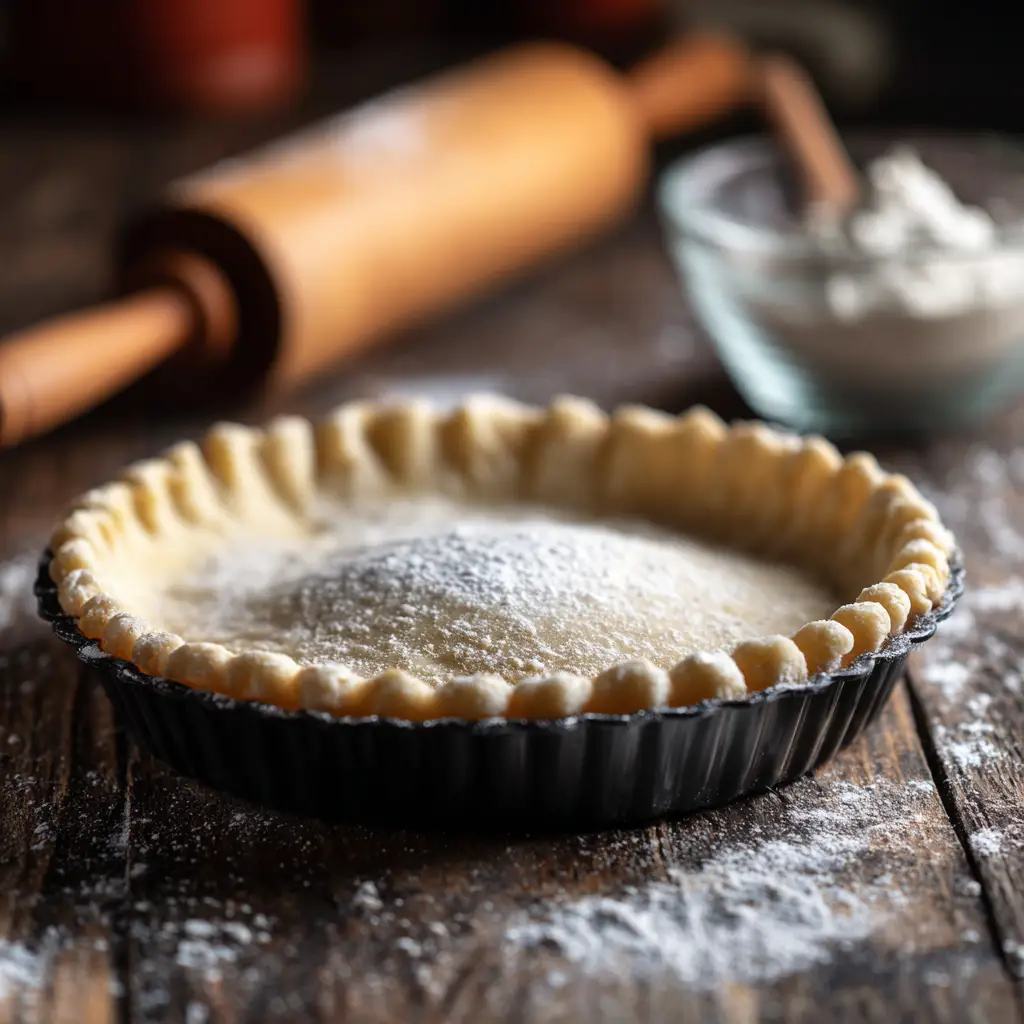
Step-by-Step: How to Make Homemade Pie Crust
Follow these steps closely for a perfect dough every time. The key is to work quickly and handle the dough as little as possible.
- Combine Dry Ingredients: In a large bowl, whisk together the flour, sugar, and salt.
- Cut in the Butter: Add the cold, cubed butter to the flour mixture. Using a pastry blender or your fingertips, quickly cut the butter into the flour until the mixture resembles coarse crumbs with some pea-sized pieces of butter still visible.
- Add Ice Water: Sprinkle one tablespoon of ice water over the mixture at a time. Toss with a fork until the dough begins to clump together. It’s ready when it holds its shape when you squeeze a small amount in your hand. Be careful not to add too much water.
- Form and Chill: Gently gather the dough into a ball, flatten it into a 1-inch thick disk, and wrap it tightly in plastic wrap. Refrigerate for at least 60 minutes, and up to 2 days. This step is crucial for letting the gluten relax, which prevents a tough crust.
Tips for a Flaky, No-Fail Pie Crust Recipe
Mastering this pie crust recipe is all about technique. Keep these essential tips in mind, and you’ll achieve perfection.
Don’t Overwork the Dough
The number one rule of pie crust is to handle it as little as possible. Overworking the dough develops the gluten in the flour, which will make your crust tough and chewy instead of tender and flaky.
Keep Everything Cold
Your butter, water, and even your hands and equipment should be as cold as possible. If your kitchen is warm, you can even chill the bowl and pastry blender before you start. This ensures the butter doesn’t melt prematurely.
Let the Dough Rest
Chilling the dough isn’t an optional step! Resting the dough in the refrigerator allows the gluten to relax (preventing shrinking) and firms up the butter (ensuring flakiness). Don’t rush this part.
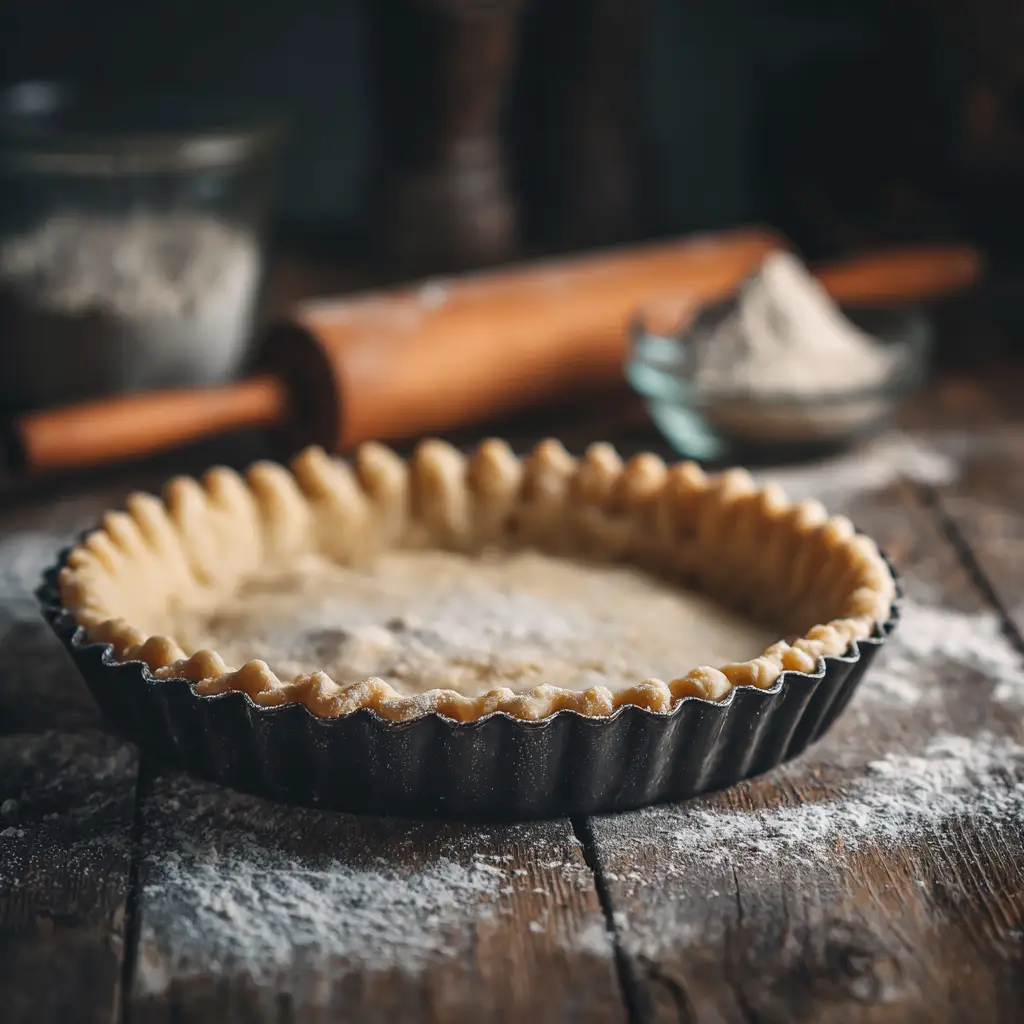
Troubleshooting Common Pie Crust Problems
Even with a great recipe, things can sometimes go sideways. Here’s how to fix the most common issues.
My dough is tough!
A tough crust is almost always the result of overworking the dough or adding too much water. Next time, handle the dough more gently and add water just until it comes together.
My crust is shrinking!
Shrinking happens when the gluten in the dough hasn’t had enough time to relax. Ensure you’re chilling the dough for at least an hour before rolling it out. For a truly special treat that uses a different kind of dough, try this Amish White Bread recipe.
My crust is soggy!
A soggy bottom can ruin a perfect pie. To prevent this, consider blind baking your crust, especially for custard or very wet fillings. This involves partially or fully baking the crust before adding the filling. For a recipe with a guaranteed crisp crust, check out our Blueberry Coffee Cake.
Frequently Asked Questions
Absolutely! You can refrigerate the dough disk, tightly wrapped in plastic, for up to 2 days. For longer storage, freeze it for up to 3 months and thaw it in the refrigerator overnight before use.
To prevent shrinking, you must let the dough rest in the refrigerator for at least 60 minutes after mixing and before rolling. This allows the gluten to relax. Chilling the dough again in the pie pan for 20-30 minutes before baking also helps.
It’s a matter of preference. Shortening can make a crust slightly more tender and easier to work with, but an all-butter crust provides a far superior, rich flavor and a wonderfully crisp, flaky texture that most bakers prefer.
A tough pie crust is typically caused by two things: overworking the dough or adding too much water. Both actions overdevelop the gluten in the flour. Handle the dough as little as possible and only add enough water for it to just come together.
Storing & Freezing Your Pie Dough
One of the best things about this recipe is that you can make it ahead of time. Well-wrapped dough can be stored in the refrigerator for up to 2 days. For longer storage, you can freeze the dough disk for up to 3 months. Just thaw it in the refrigerator overnight before rolling it out. This is a great way to get a head start on holiday baking, perhaps for an Italian Lemon Custard Cake or a classic apple pie.
Ready to Bake?
Now you have the ultimate pie crust recipe in your arsenal, ready to elevate your baking. This simple, all-butter crust is the perfect, flaky vehicle for any filling you can dream up. We can’t wait to see what you create! If you love this recipe, be sure to share your creations and follow us on Pinterest for more kitchen inspiration.

The Best Pie Crust Recipe
Pie Crust Recipe (That's Actually Easy & Flaky!)
Ingredients
Equipment
Instructions
- In a large bowl, whisk together the flour, sugar, and salt.
- Add the cold, cubed butter. Using a pastry blender or your fingertips, quickly cut the butter into the flour until the mixture resembles coarse crumbs with pea-sized pieces of butter remaining.
- Sprinkle 1 tablespoon of ice water over the mixture at a time, tossing with a fork after each addition. The dough is ready when it just begins to clump together and holds its shape when squeezed.
- Gently gather the dough into a ball on a lightly floured surface. Flatten it into a 1-inch thick disk, wrap tightly in plastic wrap, and refrigerate for at least 60 minutes before rolling.
Notes
Ensure all your ingredients, especially butter and water, are as cold as possible for the flakiest results.


