







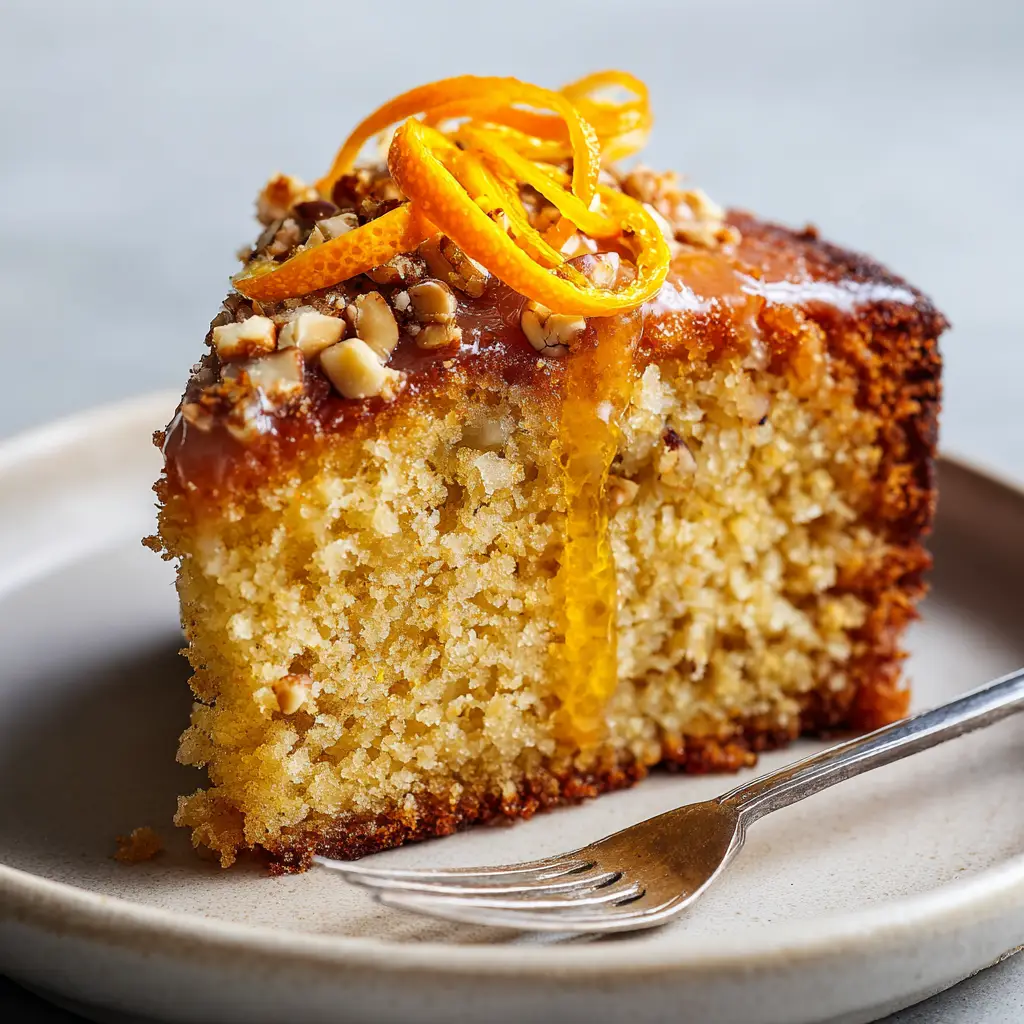
This is the Orange Hazelnut Cake that will ruin all other cakes for you, in the best way possible. Imagine a slice so tender and moist it clings to your fork, with a dense, golden-brown crumb that’s bursting with vibrant flavor. It’s a cake that perfectly balances the earthy, nutty notes of toasted hazelnuts with the bright, zesty perfume of fresh oranges.
Each bite reveals beautiful flecks of finely ground hazelnuts and sunny orange zest, a visual promise of the rich taste to come. Crowning this masterpiece is a translucent, glossy orange syrup glaze that soaks into the top layer, ensuring every morsel is unbelievably moist. Finished with delicate strips of homemade candied orange peel and a scattering of crunchy, toasted hazelnuts, it’s a dessert that looks and feels like a handheld smartphone photo of a perfect memory—effortlessly beautiful and deeply satisfying.
Why This Orange Hazelnut Cake Recipe Is Unforgettable
This isn’t just another cake recipe; it’s a study in texture and flavor that delivers a showstopping result every time. Here’s what makes it so special:
- Incredible Crumb Texture: We use a combination of all-purpose flour and ground hazelnuts to create a crumb that is simultaneously dense, soft, and unbelievably moist.
- Intense Citrus Flavor: By using both the zest and juice of fresh oranges, we build layers of bright, aromatic citrus flavor that shines through the nutty base.
- Stunning Glossy Finish: The simple orange syrup glaze does double duty, soaking into the cake for moisture while creating a beautiful, translucent shine on top.
- Elegant Garnish: The homemade candied orange peel and toasted hazelnuts aren’t just for show; they provide a delightful textural contrast and an extra pop of flavor.
The Anatomy of a Perfect Orange & Hazelnut Cake
Every ingredient in this recipe is chosen with a specific purpose, working in harmony to create the exact textures and flavors you see. Here’s our cast of characters:
For the Golden-Brown Cake Crumb
Unsalted Butter: The foundation of our cake’s flavor and tender texture. Use room temperature butter to ensure it creams properly with the sugar for a light, even crumb.
Granulated Sugar: Provides sweetness and helps create a tender structure by aerating the butter during the creaming process.
Large Eggs: These should also be at room temperature. They act as a binder, provide moisture, and help the cake rise into a stable, beautiful structure.
All-Purpose Flour: The primary structural component of our cake. We use just enough to give the cake body without making it tough.
Whole Hazelnuts: We toast and grind them ourselves for the freshest flavor. These create the beautiful “ground hazelnut flecks” and give the cake its signature nutty, rich taste.
Baking Powder: The essential leavening agent that gives the cake its lift, ensuring it doesn’t become too dense.
Fine Sea Salt: A crucial but invisible ingredient that balances the sweetness and enhances all the other flavors in the cake.
Fresh Oranges: We’ll use both the zest and the juice. The zest, mixed into the batter, creates those “orange zest flecks” and provides an intense citrus aroma.
Sour Cream: This is our secret to an incredibly moist crumb that stays fresh for days. Full-fat is best for richness.
For the Translucent Glaze & Garnish
Orange Juice & Granulated Sugar: These combine to create the simple syrup glaze that soaks into the warm cake, adding moisture and a glossy finish.
Orange Peel Strips: We’ll candy these in a sugar syrup to create the elegant, shiny, curled garnish.
Chopped Toasted Hazelnuts: Provides a final layer of crunch and reinforces the nutty flavor profile.
Essential Tools for Your Baking Success
To achieve that perfect result, you’ll want to have the right equipment on hand. Nothing fancy is required, but these tools will make the process smooth and successful.
- 9-inch (23cm) Round Cake Pan or Springform Pan
- Stand Mixer or Hand Mixer with a paddle attachment
- Food Processor or High-Powered Blender (for grinding hazelnuts)
- Microplane or Zester
- Parchment Paper
- Wire Cooling Rack
Crafting Your Orange Hazelnut Cake: A Step-by-Step Guide
Follow these steps closely, paying attention to the sensory cues. Baking is as much about sight, smell, and touch as it is about measurements. This is how we build that dense, moist crumb and beautiful finish from the ground up.
Step 1: Prepare the Foundation
First, preheat your oven to 350°F (175°C). Grease your 9-inch cake pan thoroughly with butter and flour, or line the bottom with parchment paper and grease the sides. This preparation is key to a clean release.
Next, toast the whole hazelnuts on a baking sheet for 8-10 minutes, until they are fragrant and the skins begin to blister. Let them cool slightly, then rub them in a clean kitchen towel to remove most of the skins. Once cool, pulse them in a food processor until they have a sandy, coarse meal texture. Be careful not to over-process into nut butter!
Step 2: Create the Cake Batter
In a medium bowl, whisk together the all-purpose flour, your freshly ground hazelnuts, baking powder, and salt. This is your dry mixture.
In the bowl of a stand mixer, beat the room temperature butter and granulated sugar on medium-high speed for 3-4 minutes. You’re looking for a pale, light, and fluffy texture. This step whips air into the batter, which is essential for a good crumb.
Add the eggs one at a time, beating well after each addition until fully incorporated. Scrape down the sides of the bowl, then beat in the orange zest. The air will fill with a bright, citrusy smell.
Step 3: Combine and Bake to Golden-Brown Perfection
Reduce the mixer speed to low and add the dry ingredients in three additions, alternating with the sour cream in two additions, beginning and ending with the dry mixture. Mix only until the last streaks of flour disappear. Over-mixing can lead to a tough cake.
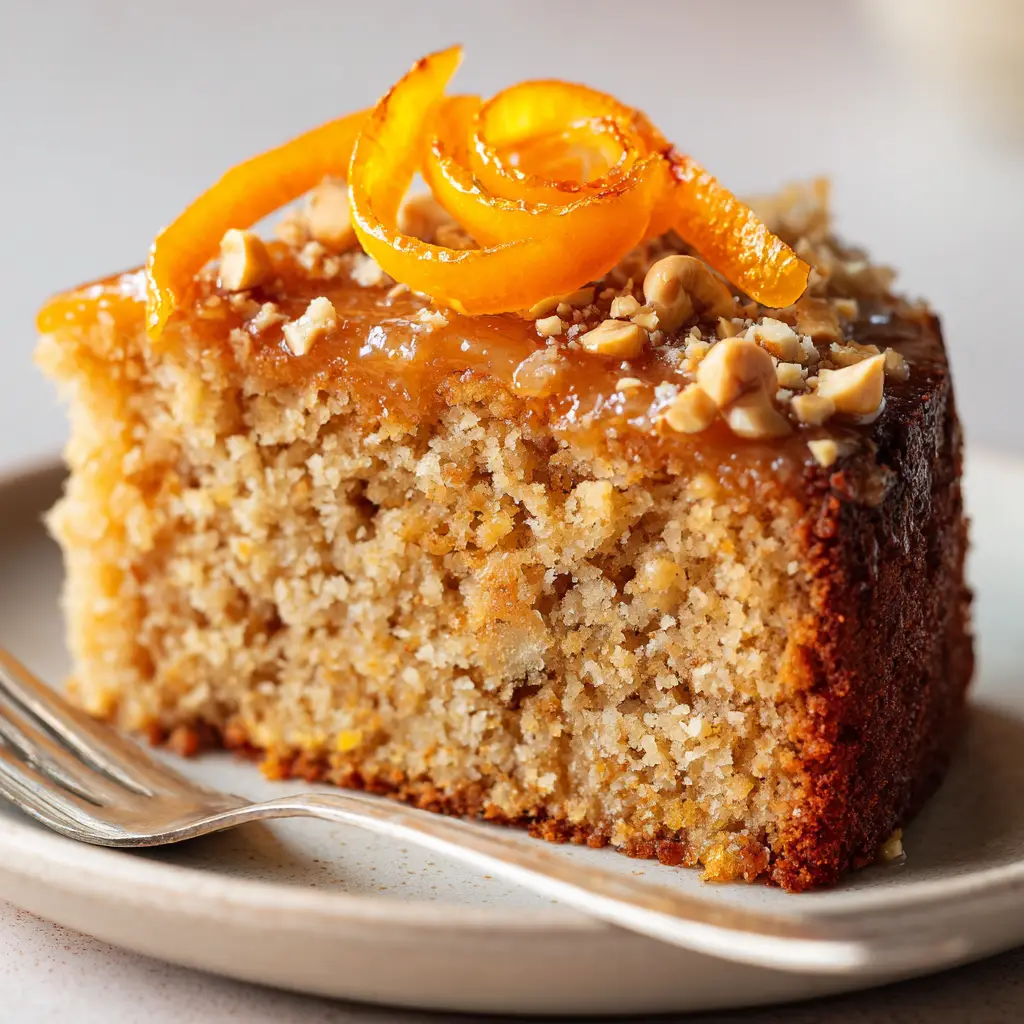
Pour the thick, fragrant batter into your prepared pan and smooth the top. Bake for 40-50 minutes. The cake is done when a wooden skewer inserted into the center comes out with a few moist crumbs attached. The top will be a rich, golden-brown, and the edges will be slightly darker and pulling away from the sides of the pan.
Step 4: The Signature Orange Syrup Glaze
While the cake is baking, prepare the glaze. In a small saucepan, combine the fresh orange juice and sugar. Bring to a simmer over medium heat, stirring until the sugar is completely dissolved. Let it simmer for 2-3 minutes to thicken slightly, then remove from heat.
Once the cake is out of the oven, let it cool in the pan for 10 minutes. Then, poke holes all over the top with a skewer and slowly pour about two-thirds of the warm syrup over the cake. Let the cake absorb the syrup completely in the pan before inverting it onto a wire rack to cool.
Step 5: Craft the Candied Garnish
For the candied orange peel, slice the peel of one orange into thin strips. In the same saucepan, combine 1/2 cup (100g) of sugar and 1/2 cup (120ml) of water. Bring to a simmer, add the peel, and let it cook gently for 15 minutes until the peel is translucent. Carefully remove the strips with a fork, letting excess syrup drip off, and place them on parchment paper to cool. They will curl naturally as they dry.
Drizzle the remaining orange syrup over the top of the cooled cake, letting it drip down the sides. Artfully arrange the curled candied orange peel strips on top and finish with a scattering of chopped toasted hazelnuts.
Pro Secrets for a Flawless Citrus & Nut Bake
Even the most seasoned bakers appreciate a few expert tips. Keep these in mind for guaranteed success.
- Room Temperature is Non-Negotiable: Using room temperature butter, eggs, and sour cream is critical. It allows the ingredients to emulsify properly, creating a uniform, tender crumb.
- Don’t Over-Grind the Nuts: Pulse the hazelnuts until they resemble a coarse meal. If you grind them too fine, they can release too much oil and make the cake heavy.
- Trust Your Senses: Ovens vary. Start checking the cake for doneness around the 40-minute mark. Look for golden-brown color and listen for the faint crackle of a finished bake.
- Let the Syrup Soak: Be patient and let the cake absorb the syrup while it’s still warm in the pan. This is the key to that ultra-moist interior.
Storing and Savoring Your Creation
This Orange Hazelnut Cake keeps beautifully, making it a wonderful make-ahead dessert. Store it in an airtight container at room temperature for up to 3 days; the flavors will actually deepen and become richer by the second day.
For longer storage, you can refrigerate the cake for up to a week. To freeze, wrap the un-glazed cake tightly in plastic wrap and then foil. It will keep for up to 3 months. Thaw at room temperature before glazing and garnishing.
Perfect Pairings for Your Orange Hazelnut Cake
While this cake is a star on its own, it plays well with others. Enjoy a slice with a simple cup of coffee or a hot tea. If you’re planning a full meal, this cake makes a wonderful dessert after a light and savory main, like perfectly poached salmon or a vibrant lemon ricotta spaghetti. For a truly celebratory feel, serve it with a bright and fruity pineapple sangria.
Frequently Asked Questions
Yes, you can substitute hazelnut flour or meal one-for-one by weight (170g). This will save you a step and yield a slightly finer, but equally delicious, crumb texture.
Absolutely! The cake is even moister and more flavorful the next day as the syrup has more time to soak in. You can bake the cake a day in advance and store it tightly covered at room temperature. For best results, add the chopped hazelnut garnish just before serving to keep them crunchy.
The curl happens naturally as the peel cools and dries. For a more pronounced curl, you can gently wrap the warm, syrupy strips around the handle of a wooden spoon for a minute before laying them on parchment paper to set.
Over-baking is the most common culprit for a dry cake. Be sure to check for doneness with a toothpick a few minutes before the timer goes off. Using room temperature ingredients, especially the butter, eggs, and sour cream, also ensures a much moister cake by helping the batter emulsify properly.
Your Official Orange Hazelnut Cake Recipe
Here it is—the complete, detailed recipe for the most delicious and beautiful orange and hazelnut cake. Print it out, save it, and get ready to bake something truly special.
Orange Hazelnut Cake with a Glossy Citrus Glaze
Ingredients
Equipment
Instructions
- Preheat oven to 350°F (175°C). Grease and flour a 9-inch (23cm) round cake pan, or line the bottom with parchment and grease the sides.
- Spread whole hazelnuts on a baking sheet and toast for 8-10 minutes until fragrant. Cool slightly, then rub in a kitchen towel to remove skins. Pulse in a food processor until a coarse meal forms. Set aside.
- In a medium bowl, whisk together the all-purpose flour, ground hazelnuts, baking powder, and salt.
- In a stand mixer with a paddle attachment, beat the softened butter and sugar on medium-high for 3-4 minutes until pale and fluffy.
- Add eggs one at a time, mixing well after each. Scrape down the bowl, then beat in the orange zest until fragrant.
- On low speed, add the dry mixture in three parts, alternating with the sour cream in two parts (begin and end with dry). Mix only until just combined.
- Pour batter into the prepared pan and smooth the top. Bake for 40-50 minutes, or until a skewer inserted into the center comes out with moist crumbs attached. The top will be golden-brown.
- While the cake bakes, heat orange juice and 1/2 cup (100g) sugar in a small saucepan until sugar dissolves. Simmer for 2-3 minutes. Remove from heat.
- Let the cake cool in the pan for 10 minutes. Poke holes across the top with a skewer and pour over two-thirds of the warm syrup. Let it soak in completely before inverting onto a wire rack.
- Simmer thin strips of orange peel with 1/2 cup (100g) sugar and 1/2 cup (120ml) water for 15 minutes until translucent. Remove and cool on parchment paper.
- Drizzle the remaining syrup over the cooled cake. Arrange candied orange peel strips on top and sprinkle with chopped toasted hazelnuts before slicing and serving.
Notes
Don't Over-Grind the Nuts: Pulse the hazelnuts until they resemble a coarse meal. If you grind them too fine, they can release too much oil and make the cake heavy.
Trust Your Senses: Ovens vary. Start checking the cake for doneness around the 40-minute mark. Look for golden-brown color and listen for the faint crackle of a finished bake.
Let the Syrup Soak: Be patient and let the cake absorb the syrup while it's still warm in the pan. This is the key to that ultra-moist interior.
Share Your Masterpiece!
We can’t wait to see your version of this incredible Orange Hazelnut Cake! If you’ve tried this recipe, please leave a comment and a rating below. Your feedback helps our community of home cooks!
For more visual inspiration and recipes that will make your kitchen the happiest place in your home, be sure to follow us on Pinterest. Happy baking!