Ever wonder how to achieve those incredibly tall, fluffy, and wonderfully Jiggly Japanese Pancakes you see all over social media? You’re not alone. These cloud-like treats, also known as soufflé pancakes, seem like a complex culinary feat, but I’m here to show you the simple, foolproof method to master them in your own kitchen. This guide will walk you through every step, ensuring you get that signature jiggle every single time.
Forget dense, flat pancakes. We’re diving deep into the technique that makes these pancakes so special. With just a few key ingredients and a little patience, you’ll be flipping (gently, of course!) your way to the best breakfast you’ve ever had.
What Makes Japanese Pancakes So Jiggly?
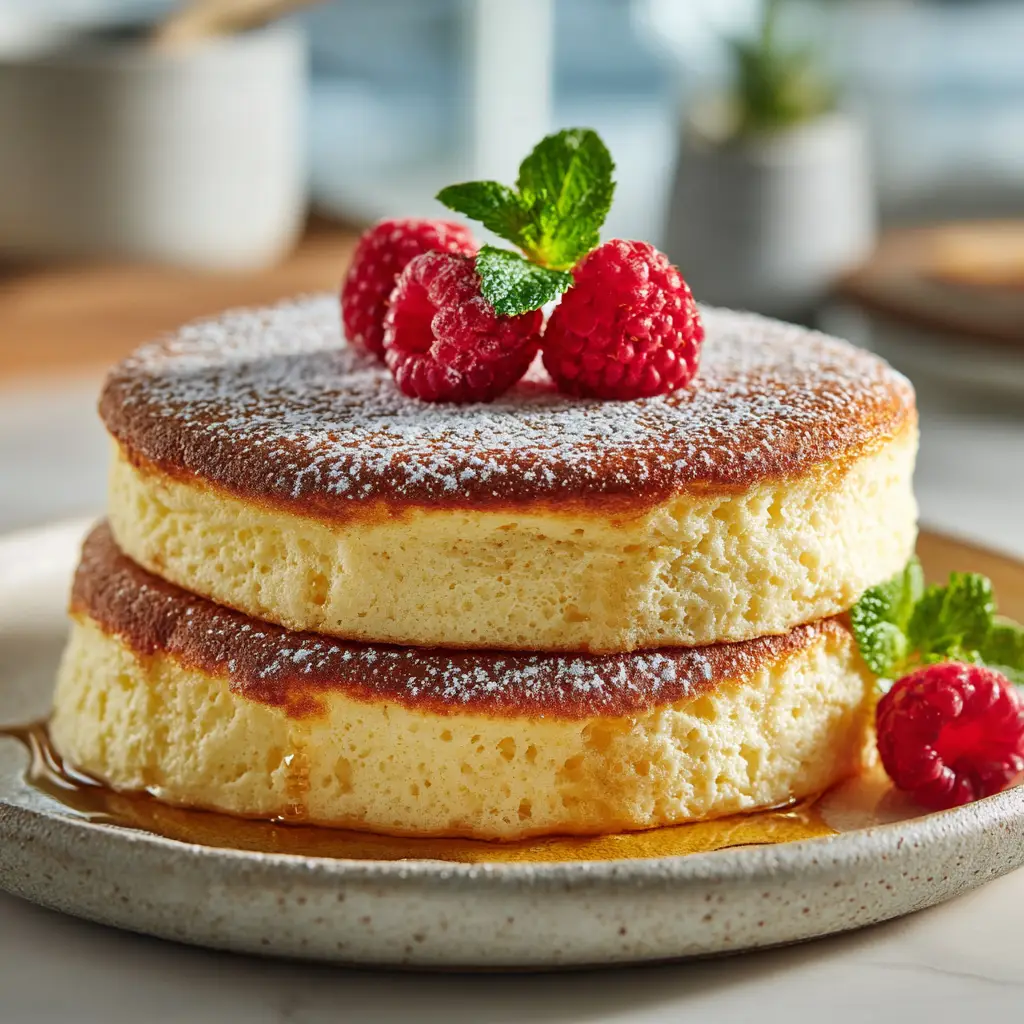
The secret to the iconic texture of Jiggly Japanese Pancakes lies in two key elements: the meringue and the cooking method. Unlike standard American pancakes, the batter for these is lightened significantly by folding in a stable, glossy meringue made from whipped egg whites. This process incorporates air, which is what gives the pancakes their incredible height and soufflé-like interior.
The second part of the magic is how they’re cooked. By using low heat and introducing a bit of water to the pan to create steam, we’re essentially steaming the pancakes as they cook. This gentle, even heat allows them to rise slowly without burning, setting the delicate structure and creating that beloved jiggle.
Essential Ingredients for Fluffy Soufflé Pancakes
While the technique is crucial, starting with the right ingredients sets you up for success. You likely have most of these in your pantry already!
- Cake Flour: This is a must for a tender crumb. Cake flour has a lower protein content than all-purpose flour, which results in a lighter, less chewy texture.
- Eggs: You’ll need to separate them. The yolks add richness and flavor to the batter, while the whites are the star of our meringue. Make sure they’re at room temperature!
- Sugar: We use a little in the batter for flavor and a bit more to stabilize the meringue.
- Milk: Provides moisture and richness. Whole milk works best.
- Baking Powder: This gives the pancakes an extra lift.
- Cream of Tartar: This is our secret weapon for a stable meringue. It helps the egg whites hold their shape and not deflate when you fold them into the batter.
The Right Tools for the Job
You don’t need a lot of fancy equipment, but a few items are non-negotiable for achieving that perfect pancake shape and texture.
First, a large non-stick skillet with a lid is essential. The non-stick surface ensures easy flipping, and the lid is crucial for trapping steam. You’ll also want either metal ring molds (about 3 inches wide and 2.5 inches tall) or a steady hand with a piping bag to create the tall, uniform shapes. While molds make it easier, it’s not impossible without them!

How to Make Jiggly Japanese Pancakes: A Step-by-Step Guide
Ready to create some magic? Let’s break down the process for making perfect Jiggly Japanese Pancakes. Read through all the steps before you begin, as the process moves quickly once you start.
Step 1: Prepare the Batter Base
In a medium bowl, whisk together the egg yolks, a tablespoon of sugar, milk, and vanilla extract until smooth and pale. In a separate, larger bowl, sift together the cake flour, baking powder, and salt. Pour the wet ingredients into the dry ingredients and whisk gently until just combined. Be careful not to overmix; a few small lumps are perfectly okay.
Step 2: Master the Meringue
In a very clean, dry bowl of a stand mixer (or using a hand mixer), beat the egg whites and cream of tartar on medium speed until frothy. Gradually add the remaining sugar while beating. Increase the speed to high and continue to beat until the meringue forms stiff, glossy peaks. This is the most critical step! The peak should hold its shape and maybe curl slightly at the very tip when you lift the beater. This strong structure is what will hold up your pancakes.
Step 3: Gently Fold It All Together
Take about one-third of your stiff meringue and fold it into the yolk batter to lighten it. This makes it easier to incorporate the rest of the meringue without deflating it. Gently fold in the remaining meringue in two more additions until just combined. You should still see a few streaks of white; this is better than overmixing and losing all that precious air.
Step 4: The Secret to Cooking (Low Heat & Steam)
Lightly grease your non-stick skillet and your ring molds (if using) and place it over the lowest possible heat. Place the molds in the pan and fill them about three-quarters of the way with batter. Add a tablespoon of water to the empty spaces in the pan (not in the molds!) and immediately cover with the lid. Cook for 10-13 minutes, or until the top is set. Carefully remove the molds, flip the pancakes, cover again, and cook for another 5-6 minutes until golden brown and cooked through.
Pro Tips for Pancake Perfection
After making hundreds of these pancakes, I’ve learned a few things. Here are my top tips for guaranteeing success.
- Don’t Overmix the Batter: When you combine the wet and dry ingredients, and especially when you fold in the meringue, less is more. Overmixing develops gluten and deflates the air, leading to tough, flat pancakes.
- The Perfect Meringue is Key: Under-whipped meringue won’t provide enough structure, and your pancakes will collapse. Over-whipped meringue is clumpy and won’t incorporate smoothly. Aim for that “stiff peak” consistency.
- Low and Slow is the Way to Go: It’s tempting to turn up the heat to speed things up, but this will burn the bottoms while leaving the inside raw. Patience and low heat are your best friends here. For a savory side, these Garlic Butter Green Beans are surprisingly delicious.
Serving and Topping Suggestions
These fluffy Japanese pancakes are a fantastic canvas for all sorts of toppings. Keep it classic with a pat of butter and a generous drizzle of maple syrup. Or, get creative with fresh berries, whipped cream, chocolate sauce, or even a dusting of matcha powder. They are best served immediately while they are warm and at their jiggliest!
If you’re looking for another unique recipe, this French Onion Meatloaf is a great dinner option that will surely impress your family.
Troubleshooting Common Pancake Problems
Even with a great recipe, things can sometimes go sideways. Here’s how to fix the most common issues.
Why Did My Pancakes Deflate?
This is the most common problem and it almost always comes down to the meringue. If your meringue wasn’t whipped to stiff peaks, it won’t have the strength to hold its structure as it cools. The other culprit could be opening the lid too often during cooking, causing the temperature to fluctuate.
Why Are My Pancakes Raw in the Middle?
This is a heat issue. If your stovetop’s lowest setting is still too high, the outside of the pancake will cook too quickly before the inside has a chance to set. A heat diffuser can help, or you can try cooking them for a little longer before flipping. If you’re looking for a dessert that’s always cooked perfectly, try this No-Bake Chocolate Dessert.
Frequently Asked Questions
Unfortunately, no. The batter relies on the freshly whipped meringue for its volume. The air bubbles in the meringue will deflate over time, so the batter should be made and cooked immediately for the best results.
Yes, you can! While molds help create a perfectly uniform, tall shape, you can achieve a similar effect by using a thick batter and carefully piping or spooning it into tall mounds on your skillet. They may spread a bit more, but they will still be delicious and fluffy.
They are incredibly versatile! Classic toppings include butter, maple syrup, and fresh whipped cream. They are also delicious with fresh berries, chocolate or caramel sauce, fruit compote, or a simple dusting of powdered sugar.
The main difference is the preparation and texture. Japanese pancakes incorporate a stiffly beaten meringue into the batter, which is then cooked low and slow with steam. This creates a much taller, lighter, and fluffier ‘soufflé’ texture compared to denser, chewier American-style pancakes.
Deflating is almost always caused by an unstable meringue. If the egg whites are not beaten to stiff, glossy peaks, they won’t have the structure to hold up the pancake as it cools. Also, ensure they are fully cooked in the center, as an undercooked pancake will collapse.
The Ultimate Jiggly Japanese Pancakes Recipe
Jiggly Japanese Pancakes: The Ultimate Foolproof Recipe
Ingredients
Equipment
Instructions
- In a medium bowl, whisk the egg yolks and 1 tbsp of the total sugar until pale. Whisk in the milk and vanilla. Sift the cake flour, baking powder, and salt over the bowl and gently whisk until just combined. Do not overmix.
- In the clean bowl of a stand mixer, beat the egg whites and cream of tartar on medium speed until frothy. Gradually add the remaining 2 tbsp of sugar. Increase speed to high and beat until stiff, glossy peaks form.
- Gently fold about 1/3 of the meringue into the yolk batter to lighten it. Add the rest of the meringue and fold gently until just a few streaks of white remain.
- Heat a large non-stick skillet over the lowest possible heat. Lightly grease the pan and inside of 3-inch ring molds. Place molds in the pan and fill 3/4 full with batter.
- Add 1 tbsp of water to the pan (away from the batter) and immediately cover with a lid. Cook for 10-13 minutes. Carefully remove the molds, flip the pancakes, cover, and cook for another 5-6 minutes until golden and cooked through.
- Serve the pancakes immediately with your favorite toppings, such as maple syrup, fresh fruit, or whipped cream.
Notes
Patience is key! Cooking on very low heat is essential to prevent burning while allowing the inside to cook through.
Share Your Pancake Success!
I can’t wait to see your creations! There’s nothing more satisfying than nailing this recipe and watching those pancakes jiggle. If you loved this recipe, please leave a comment below and share your masterpiece on Pinterest. Your shares help more people discover the joy of homemade soufflé pancakes!