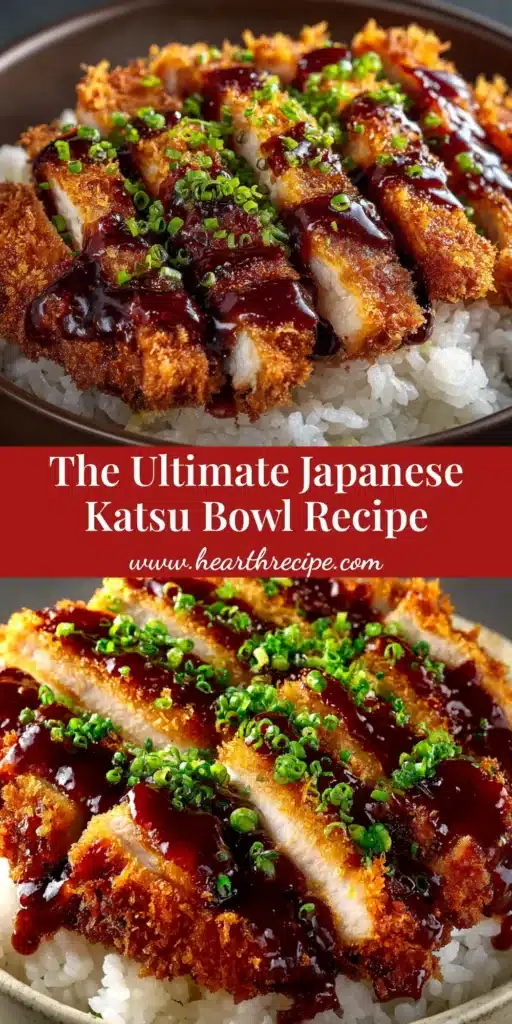

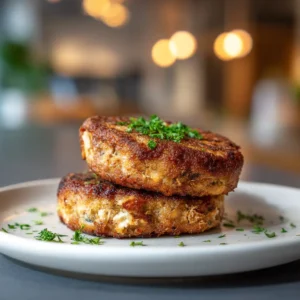
Craving a restaurant-quality meal at home? This Japanese Katsu Bowl recipe, also known as Katsudon, delivers a perfect combination of savory, sweet, and crispy textures. Imagine a perfectly fried, panko-crusted pork cutlet, simmered in a rich and flavorful sauce with onions and egg, all served over a bed of fluffy steamed rice. It’s the ultimate Japanese comfort food, and this simple guide makes it incredibly easy to master in your own kitchen. Get ready to create a meal that will impress everyone.
What is a Japanese Katsu Bowl (Katsudon)?
A Japanese Katsu Bowl, or Katsudon (カツ丼), is a classic Japanese rice bowl dish. The name itself tells you what it is: “Katsu” refers to a deep-fried cutlet, and “don” comes from “donburi,” the word for a Japanese rice bowl. The dish consists of a deep-fried pork cutlet called tonkatsu that is simmered with thinly sliced onions and a savory-sweet sauce made from dashi, soy sauce, and mirin. A lightly beaten egg is then drizzled over the top to cook gently in the simmering sauce before the entire mixture is served over a hot bowl of rice.
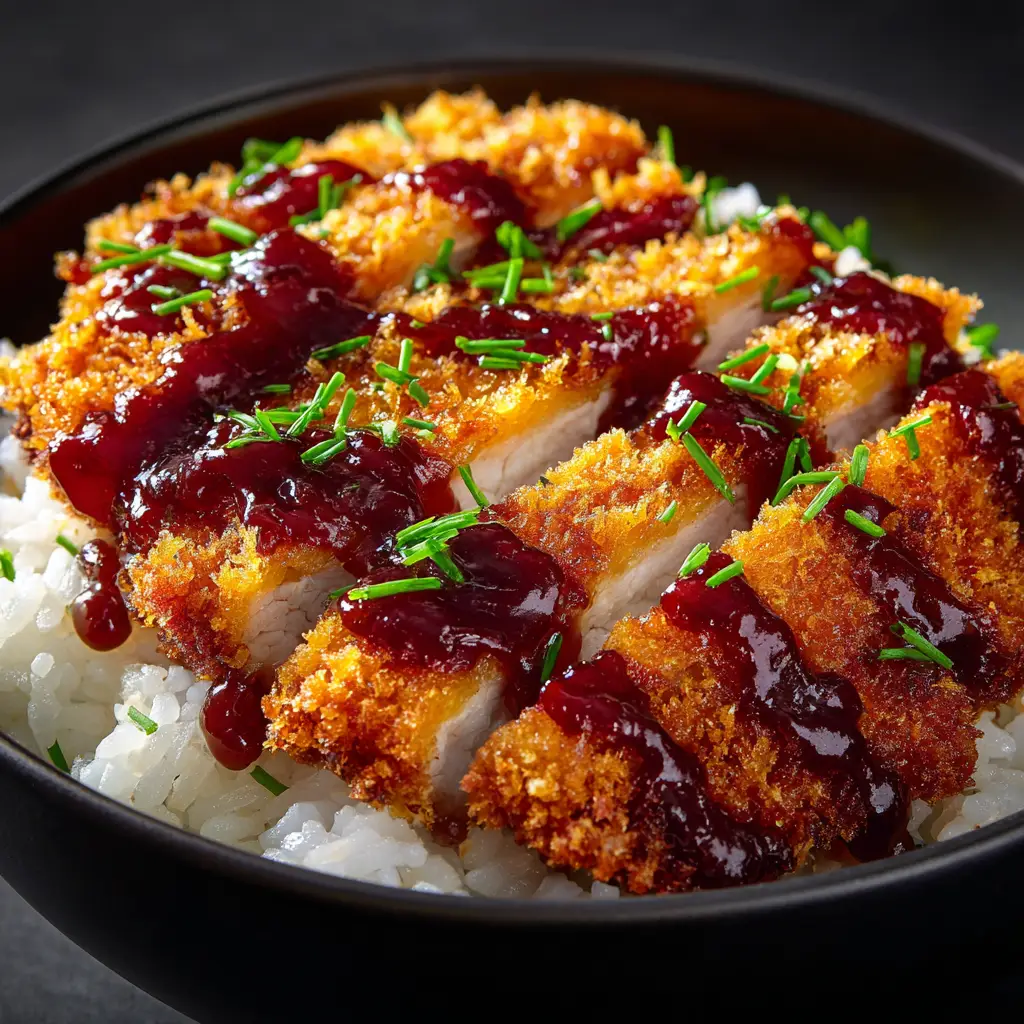
Why You’ll Love This Japanese Katsu Bowl Recipe
If you’re looking for a recipe that’s packed with flavor and surprisingly straightforward, this is it. Here’s why this will become a new favorite:
- Incredibly Flavorful: The balance of the savory sauce, the rich pork, and the fluffy egg is simply irresistible.
- Amazing Texture: You get the satisfying crunch from the panko crust, even after it’s simmered in the delicious sauce.
- Quick & Easy: This impressive meal comes together in under 40 minutes, making it perfect for a weeknight dinner.
- Authentic Taste: Follow these simple steps to create a Katsudon that tastes just like it came from your favorite Japanese restaurant.
Key Ingredients
Making an authentic Japanese Katsu Bowl recipe starts with quality ingredients. Here’s what you’ll need to gather.
For the Tonkatsu (Pork Cutlet)
- Pork Loin Chops: Use boneless, thick-cut chops (about 1/2 to 3/4 inch thick). They are tender and cook up beautifully.
- All-Purpose Flour: This creates the base layer for the breading to adhere to.
- Egg: Acts as the binder that holds the panko onto the pork.
- Panko Breadcrumbs: This is non-negotiable for authentic katsu! Japanese panko breadcrumbs are lighter and create a much crispier crust than regular breadcrumbs.
- Salt & Black Pepper: For seasoning the pork.
- Neutral Oil: For frying. Canola, vegetable, or peanut oil works best.
For the Sauce & Bowl
- Dashi Stock: The foundation of the sauce. You can use instant dashi powder or make your own.
- Soy Sauce: Provides the salty, umami flavor.
- Mirin: A sweet Japanese rice wine that is essential for the sauce’s signature flavor.
- Sugar: Adds a touch more sweetness to balance the soy sauce.
- Onion: Thinly sliced to add a subtle sweetness and aroma as it simmers.
- Eggs: Lightly beaten to create a soft, savory topping.
- Steamed Short-Grain Rice: The essential base for your bowl.
- Garnish: Sliced scallions or nori strips for a fresh finish.
Step-by-Step Instructions
Ready to build your masterpiece? Follow these simple steps for the perfect katsu bowl.
Step 1: Prepare the Pork
Pat the pork chops dry with a paper towel. Season both sides generously with salt and pepper. If your cutlets are thick, you can make a few shallow cuts along the edges to prevent them from curling up as they cook.
Step 2: Bread the Pork Cutlets
Set up a breading station with three shallow dishes. Place the flour in the first, a lightly beaten egg in the second, and the panko breadcrumbs in the third. Dredge a pork chop in the flour, shaking off any excess. Next, dip it into the egg, ensuring it’s fully coated. Finally, press the chop firmly into the panko breadcrumbs, covering both sides completely.
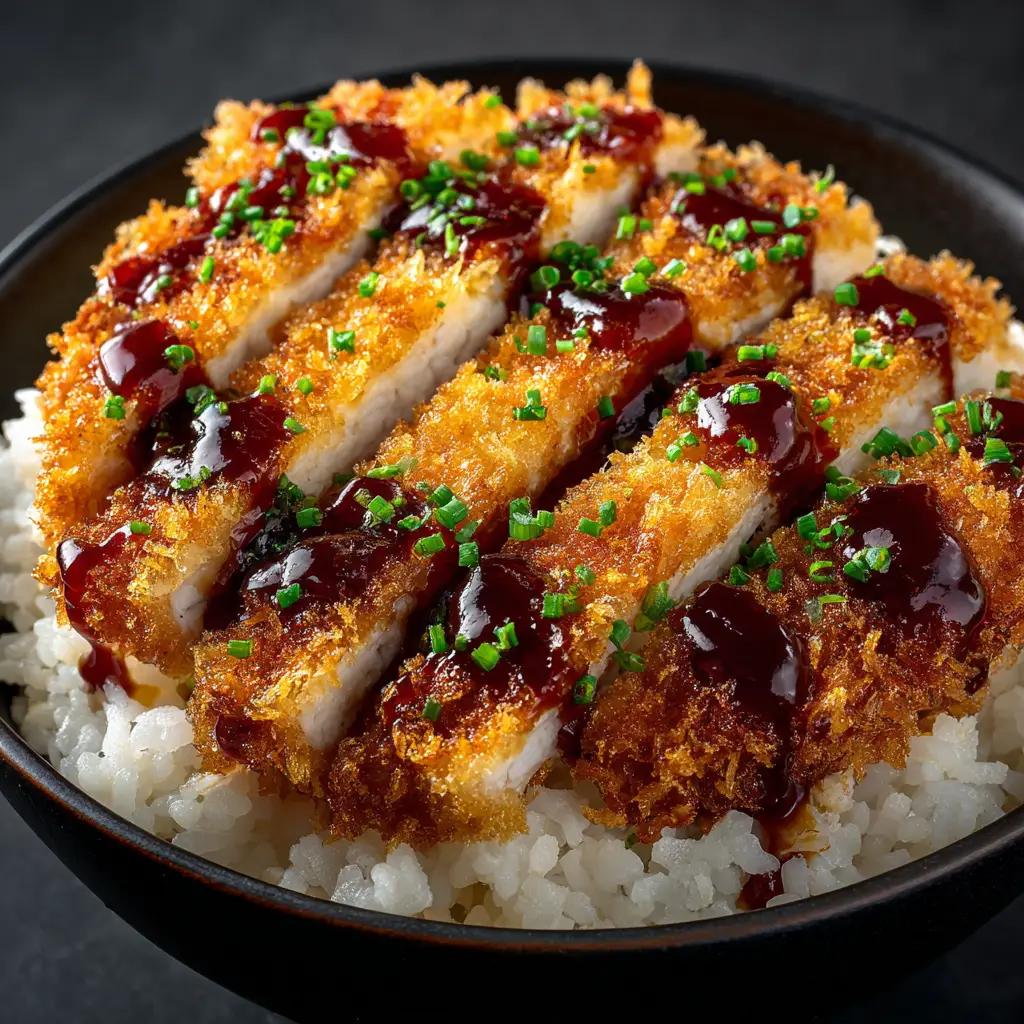
Step 3: Fry to Golden Perfection
Heat about an inch of neutral oil in a large skillet over medium-high heat to 340°F (170°C). Carefully place the breaded pork cutlets into the hot oil. Fry for 4-5 minutes per side, or until they are a deep golden brown and cooked through. Remove the tonkatsu from the skillet and place it on a wire rack to drain. Once cool enough to handle, slice the cutlets into 1-inch strips.
Step 4: Make the Katsudon Sauce
In a small saucepan, combine the dashi stock, soy sauce, mirin, and sugar. Bring the mixture to a simmer over medium heat, stirring until the sugar has dissolved. Add the thinly sliced onions and cook for 3-4 minutes until they have softened.
Step 5: Simmer and Assemble the Bowl
Arrange the sliced tonkatsu strips in the saucepan with the onions and sauce. Pour one lightly beaten egg over each serving of pork. Cover the pan and let it simmer for about 1-2 minutes, or until the egg is just set but still slightly soft. To serve, add a generous portion of steamed rice to a bowl and gently slide the katsu, egg, and onion mixture on top. Garnish with sliced scallions.
Pro Tips for the Crispiest, Juiciest Tonkatsu
For a truly exceptional Japanese Katsu Bowl recipe, the quality of the tonkatsu is key. Here are a few expert tips:
- Don’t Skip the Flour: The flour dredge is essential. It gives the egg wash something to cling to, which in turn holds the panko in place.
- Press Panko Firmly: When coating the pork in panko, press down gently but firmly to ensure a thick, even crust that won’t fall off during frying.
- Maintain Oil Temperature: Use a thermometer to keep your oil around 340°F (170°C). If the oil is too cool, the katsu will be greasy. If it’s too hot, the panko will burn before the pork is cooked through.
- Rest on a Wire Rack: Never drain fried foods on a paper towel. A wire rack allows air to circulate, keeping the bottom of the cutlet from getting soggy. For another fantastic bowl recipe, check out this delicious Taco Rice Bowl.
Variations and Substitutions
While classic pork katsudon is fantastic, you can easily adapt this recipe.
- Chicken Katsu: Substitute the pork with boneless, skinless chicken breasts pounded to an even thickness.
- No Mirin? If you don’t have mirin, you can substitute it with a mixture of sake and a little extra sugar (about 1/2 teaspoon of sugar per tablespoon of sake).
- Vegetarian Option: Use firm tofu slices or thick-cut sweet potato rounds instead of pork for a delicious vegetarian katsu. For another comforting dish, try our classic lentil soup.
What to Serve with Your Katsu Bowl
A Japanese Katsu Bowl is a complete meal on its own, but it pairs wonderfully with a few simple sides. Consider serving it with a side of miso soup, a simple cucumber salad (sunomono), or some Japanese pickles (tsukemono) to complete your meal. If you enjoy this, you might also like our easy Chow Mein Recipe.
Frequently Asked Questions
Absolutely! Simply substitute the pork chops with boneless, skinless chicken breasts. Pound them to an even thickness before breading and frying. This version is called Oyakodon.
The key is the three-step breading process. First, a light coating of flour gives the egg something to grip. Second, the egg acts as a binder. Finally, press the pork firmly into the panko to create a secure, thick crust.
Boneless, thick-cut pork loin chops (about 1/2 to 3/4-inch thick) are ideal. They are tender and juicy, which works perfectly for the quick frying method. Pork tenderloin can also be used, but it’s much leaner.
If you don’t have mirin, you can substitute it with dry sherry or marsala wine. For a non-alcoholic substitute, mix 1 tablespoon of rice vinegar with 1 teaspoon of sugar for every tablespoon of mirin required.
Katsu, specifically Tonkatsu, refers to the deep-fried panko-breaded pork cutlet itself. Katsudon is the name of the complete dish where the sliced katsu is simmered with sauce, egg, and onions and served over a bowl of rice (donburi).
The Best Japanese Katsu Bowl Recipe
Japanese Katsu Bowl Recipe (Easy Katsudon)
Ingredients
Equipment
Instructions
- Prepare the Pork: Pat the pork chops dry and season both sides with salt and pepper. Make a few shallow cuts along the edges to prevent curling.
- Bread the Pork Cutlets: Set up a breading station with three shallow dishes for flour, beaten egg, and panko. Dredge a pork chop first in flour, then dip in the egg, and finally press firmly into the panko to coat completely.
- Fry to Golden Perfection: Heat about an inch of oil in a skillet to 340°F (170°C). Fry the cutlets for 4-5 minutes per side until deep golden brown and cooked through. Transfer to a wire rack to drain, then slice into 1-inch strips.
- Make the Katsudon Sauce: In a small saucepan, combine dashi stock, soy sauce, mirin, and sugar. Bring to a simmer, stirring until the sugar dissolves. Add the sliced onions and cook for 3-4 minutes until softened.
- Simmer and Assemble: Arrange the sliced tonkatsu in the saucepan with the sauce. Pour a beaten egg over each serving of pork. Cover and simmer for 1-2 minutes until the egg is just set. Serve over a bowl of hot rice and garnish with scallions.
Notes
Tip 2: Don't overcook the egg. It should be slightly soft and custardy to perfectly complement the dish.
Tip 3: Using fresh, high-quality Japanese panko breadcrumbs makes a significant difference in the texture.
This Japanese Katsu Bowl recipe is more than just a meal; it’s an experience. The combination of crispy pork, savory-sweet sauce, and fluffy rice is pure comfort in a bowl. We hope you love making and sharing this dish! If you try it, let us know what you think in the comments below and share your creation on Pinterest!