








Welcome to the ultimate guide to the perfect homemade crepes recipe. Forget complicated techniques or special equipment; this recipe is designed for the enthusiastic home cook who loves to create delicious, elegant meals with minimal fuss. Whether you’re dreaming of a sweet breakfast piled high with berries or a savory dinner filled with cheese and herbs, this simple recipe is your new go-to. It’s a foundational technique that every cook should have in their back pocket.
This crepes recipe yields delicate, thin pancakes with perfectly crisp edges, providing a versatile canvas for an endless array of fillings. We’ll walk through every step, from mixing the batter to swirling it in the pan, ensuring you get foolproof results every single time. Get ready to impress your family and friends!
Why This is the Best Crepes Recipe
There are countless recipes out there, but this one stands out for its simplicity, reliability, and versatility. It’s crafted to be straightforward for beginners while delivering professional-quality results.
Simple, Everyday Ingredients
You don’t need anything fancy to create these crepes. This recipe calls for pantry staples you likely already have on hand: flour, eggs, milk, sugar, and a little butter. It’s proof that a few humble ingredients can create something truly special.
No Special Equipment Needed
While a dedicated crepe pan is nice, it’s not necessary. We’ll show you how to achieve perfectly thin crepes using a standard non-stick skillet. The key is in the technique, not the tools.
A Versatile Base for Any Filling
This crepes recipe creates a neutral, lightly sweetened base that pairs equally well with sweet and savory fillings. From a simple dusting of powdered sugar to a more elaborate filling like parmesan crusted chicken, the possibilities are truly endless.
Ingredients You’ll Need
- All-Purpose Flour: Provides the structure for the crepes.
- Eggs: Add richness and bind the batter together.
- Milk: Thins the batter to the perfect consistency. Whole milk is preferred for a richer flavor.
- Water: Helps create a lighter, more delicate crepe.
- Granulated Sugar: Just a touch for a hint of sweetness that works for both sweet and savory fillings.
- Salt: Balances the flavors.
- Unsalted Butter: Melted butter in the batter adds flavor and helps prevent sticking. You’ll need more for greasing the pan.
How to Make Crepes: A Step-by-Step Guide
Follow these simple steps to master the art of crepe making. The most important part of this crepes recipe is allowing the batter to rest—don’t skip it!
Step 1: Make the Batter
In a large bowl, whisk together the flour, sugar, and salt. In a separate bowl, whisk the eggs, milk, and water. Slowly pour the wet ingredients into the dry ingredients, whisking constantly until the batter is smooth. Whisk in the melted butter until just combined. Don’t overmix.
Step 2: Rest the Batter (The Secret to Perfect Crepes)
Cover the bowl with plastic wrap and let the batter rest in the refrigerator for at least 30 minutes, or up to 24 hours. This allows the gluten to relax and the flour to fully hydrate, resulting in more tender and less rubbery crepes.
Step 3: Cook the Crepes
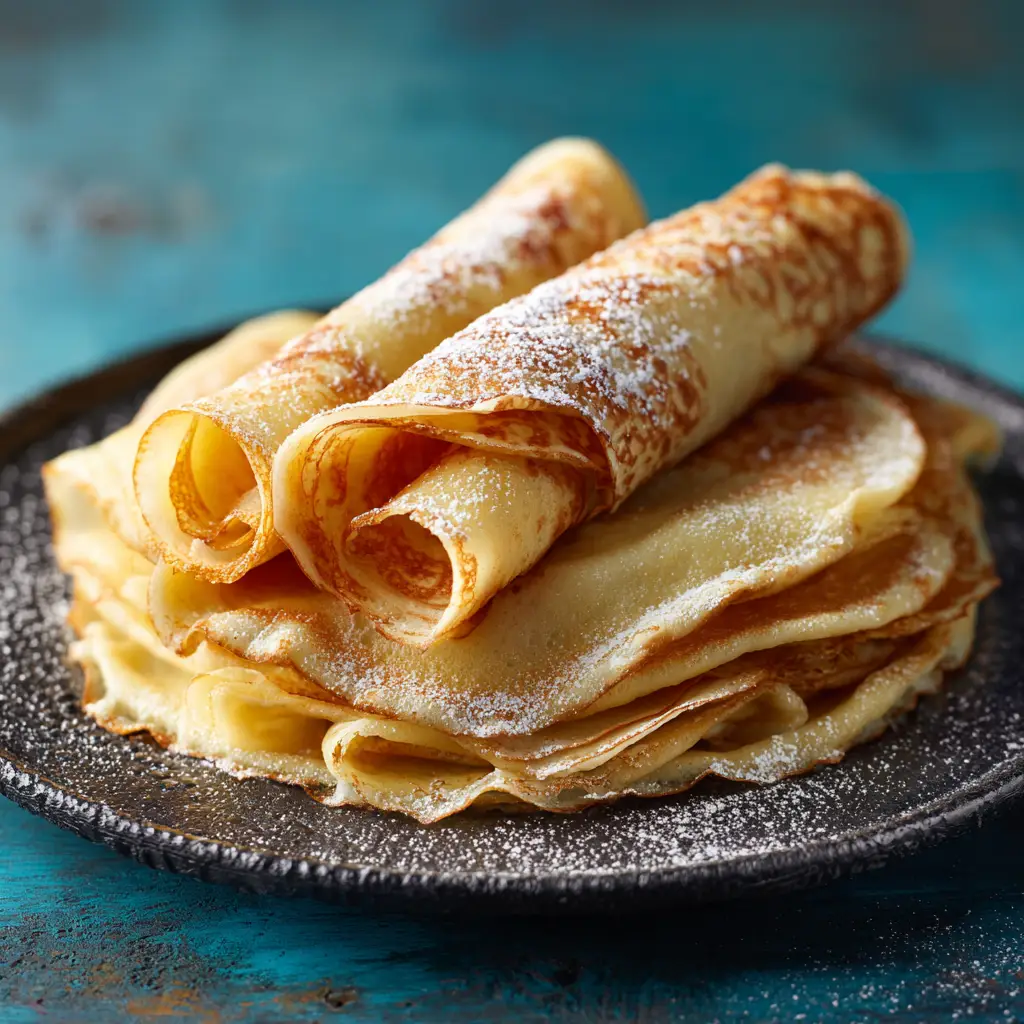
Heat an 8-inch non-stick skillet over medium heat. Lightly grease the pan with a small amount of butter. Pour about 1/4 cup of batter into the center of the pan and immediately swirl the pan to spread the batter into a thin, even circle. Cook for about 1-2 minutes, or until the edges begin to lift and the surface looks dry.
Step 4: Flip and Finish
Gently slide a spatula under the crepe and flip it over. Cook for another 30-60 seconds on the other side. The second side won’t be as golden as the first. Slide the finished crepe onto a plate and repeat with the remaining batter, greasing the pan as needed.
Pro-Tips for a Foolproof Crepes Recipe
These tips will help you troubleshoot any issues and ensure your crepes turn out perfectly every time.
The Right Pan is Key
A non-stick skillet is your best friend when making crepes. It prevents tearing and makes flipping a breeze. Ensure it’s properly heated before adding the batter; a drop of water should sizzle and evaporate quickly.
Mastering the Swirl
The moment the batter hits the pan, you need to act fast. Lift the pan off the heat and tilt and swirl it in a circular motion to spread the batter as thinly as possible. The goal is to cover the bottom of the pan with a delicate layer.
How to Tell When to Flip
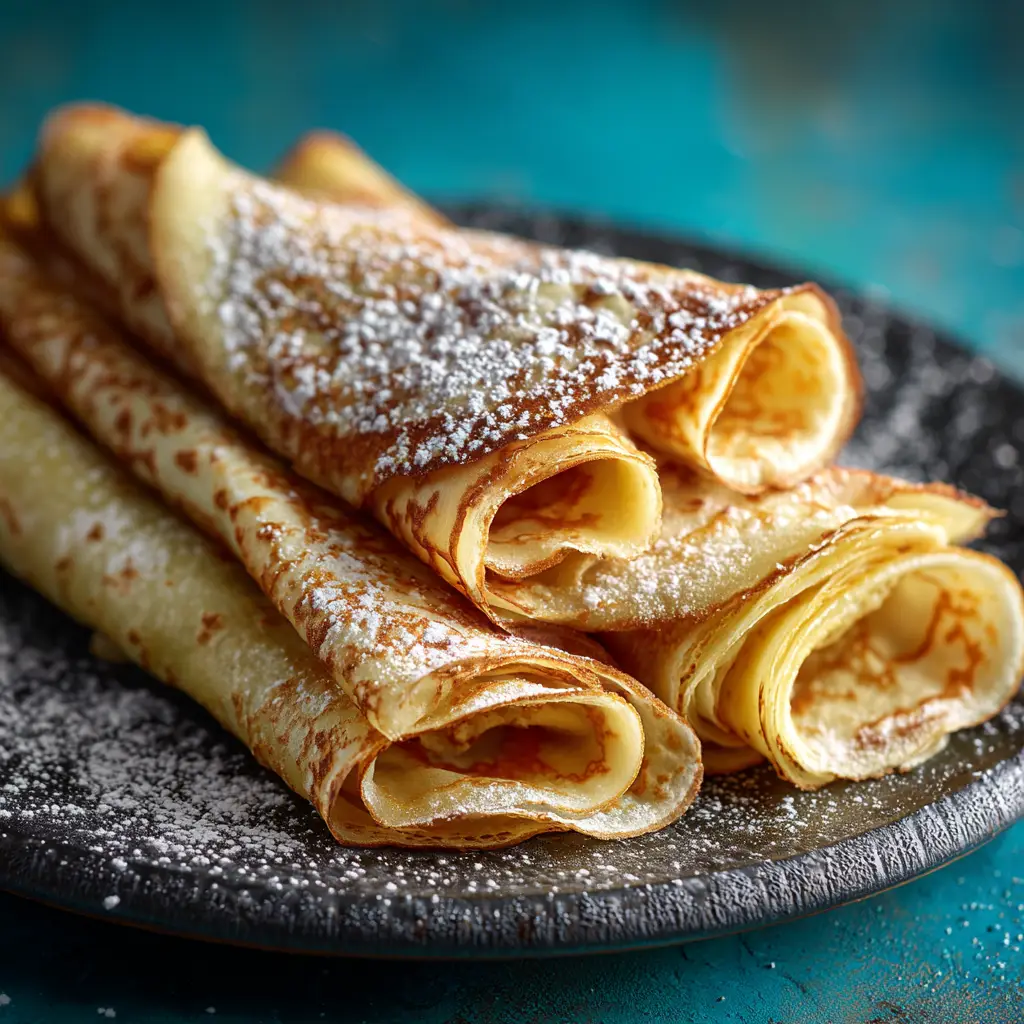
Look for the signs. The surface of the crepe will lose its wet shine and the edges will start to look dry and slightly crispy. They may even begin to lift away from the pan. This is the perfect moment to flip.
Filling Ideas for Your Homemade Crepes
Now for the fun part! This crepes recipe is the perfect starting point for countless meal ideas.
Classic Sweet Fillings
For a delightful breakfast or dessert, try these classic options. A spread of lemon custard or a simple sprinkle of cinnamon sugar can be divine.
- Nutella and sliced bananas or strawberries.
- Lemon juice and powdered sugar.
- Berry compote and whipped cream.
- Cinnamon sugar and a drizzle of melted butter.
Delicious Savory Fillings
Transform your crepes into a satisfying lunch or dinner. You can even melt some of our flavorful Cowboy Butter inside for a garlicky kick.
- Ham, Swiss cheese, and a fried egg (Croque Madame style).
- Sautéed mushrooms, spinach, and Gruyère cheese.
- Shredded chicken with a creamy béchamel sauce.
- Smoked salmon, cream cheese, and fresh dill.
Storing and Reheating
You can store cooked, unfilled crepes in an airtight container or zip-top bag in the refrigerator for up to 3 days. Simply stack them with a small piece of parchment paper between each one to prevent sticking. To reheat, warm them in a skillet over low heat for about 30 seconds per side or briefly in the microwave.
Frequently Asked Questions
Yes! Crepe batter is actually better when made ahead. You can store it in an airtight container in the refrigerator for up to 48 hours. Just give it a gentle whisk before using it.
To prevent tearing, make sure your pan is sufficiently heated and lightly greased. Also, wait until the edges of the crepe look dry and are just beginning to lift from the pan before attempting to flip it.
A non-stick skillet or a seasoned cast-iron crepe pan is best. The non-stick surface is crucial for preventing the delicate crepes from tearing when you try to flip them.
The main difference is that crepe batter is much thinner and does not contain a leavening agent like baking powder. This results in crepes being thin and delicate, while pancakes are thick and fluffy.
Rubbery crepes are usually caused by over-mixing the batter or not letting it rest. Over-mixing develops too much gluten. Letting the batter rest in the fridge for at least 30 minutes allows the gluten to relax, resulting in a more tender crepe.
The Full Crepes Recipe
Crepes Recipe (Foolproof & Easy!)
Ingredients
Equipment
Instructions
- In a large bowl, whisk together flour, sugar, and salt. In a separate bowl, whisk eggs, milk, and water. Slowly pour the wet ingredients into the dry, whisking constantly until smooth. Stir in the melted butter.
- Cover the bowl and refrigerate for at least 30 minutes. This step is crucial for tender crepes.
- Heat an 8-inch non-stick skillet over medium heat until a drop of water sizzles.
- Lightly grease the pan with butter. Pour 1/4 cup of batter into the pan and immediately swirl to create a thin, even layer. Cook for 1-2 minutes until the edges lift and the surface is dry.
- Gently flip the crepe and cook for another 30-60 seconds. Slide onto a plate and repeat with the remaining batter. Fill as desired and serve immediately.
Notes
Stack cooked crepes between layers of parchment paper to prevent them from sticking together if you aren't serving them immediately.
Share Your Creations!
We hope you love this easy crepes recipe! There’s nothing better than seeing our readers enjoy their creations. If you make these crepes, be sure to share a photo and tag us. For more delicious inspiration, follow us on Pinterest!