








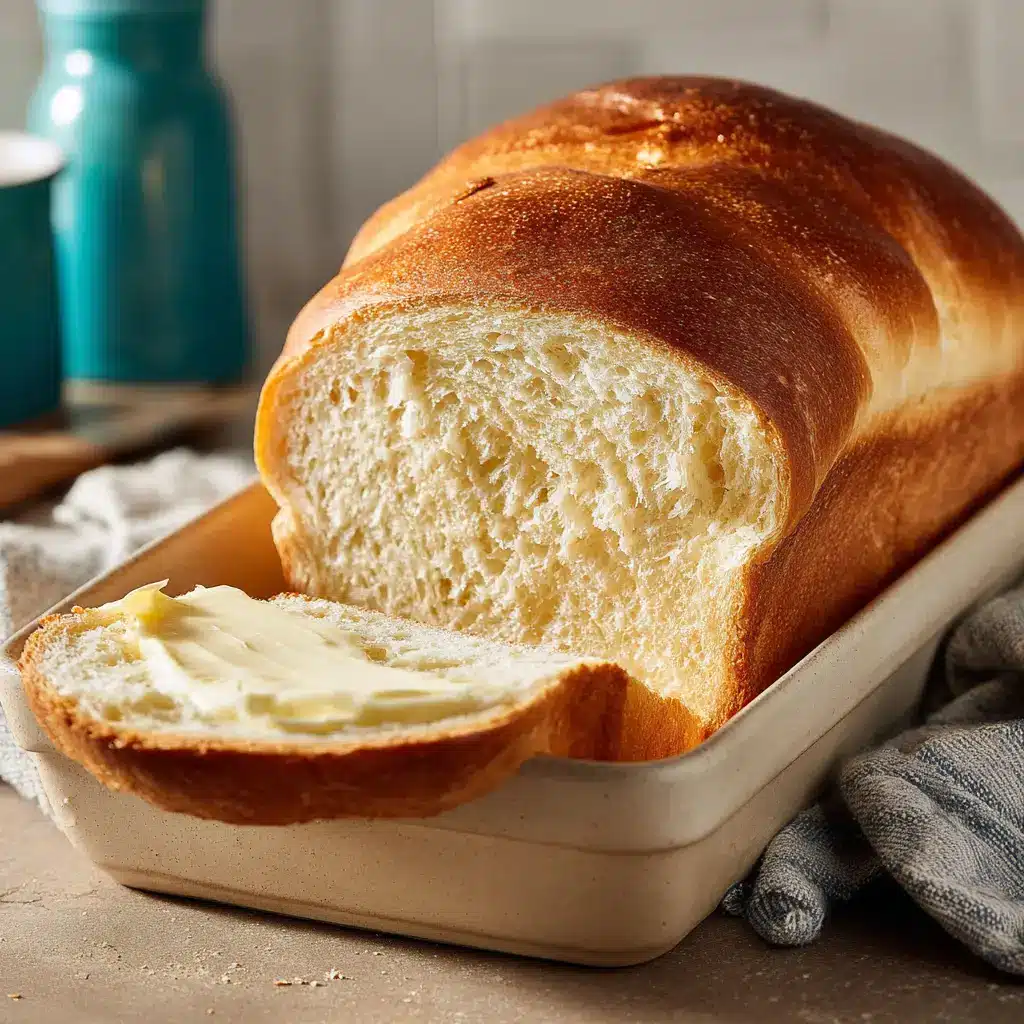
Discover the joy of baking with this classic Amish white bread recipe. Famous for its soft, fluffy texture and subtly sweet flavor, this bread is a comforting staple that’s surprisingly easy to make at home. Whether you’re a seasoned baker or just starting, this guide will walk you through every step to ensure a perfect loaf every time. It’s the ideal bread for everything from morning toast to hearty sandwiches, making it a versatile addition to your baking repertoire.
Unlike complex artisan breads, the beauty of Amish white bread lies in its simplicity and reliance on basic, wholesome ingredients. This recipe honors that tradition, creating a loaf with a tender crumb and a golden-brown crust that will fill your home with an irresistible aroma. Get ready to create a bread that your friends and family will think came from a professional bakery.
What Makes Amish White Bread So Special?
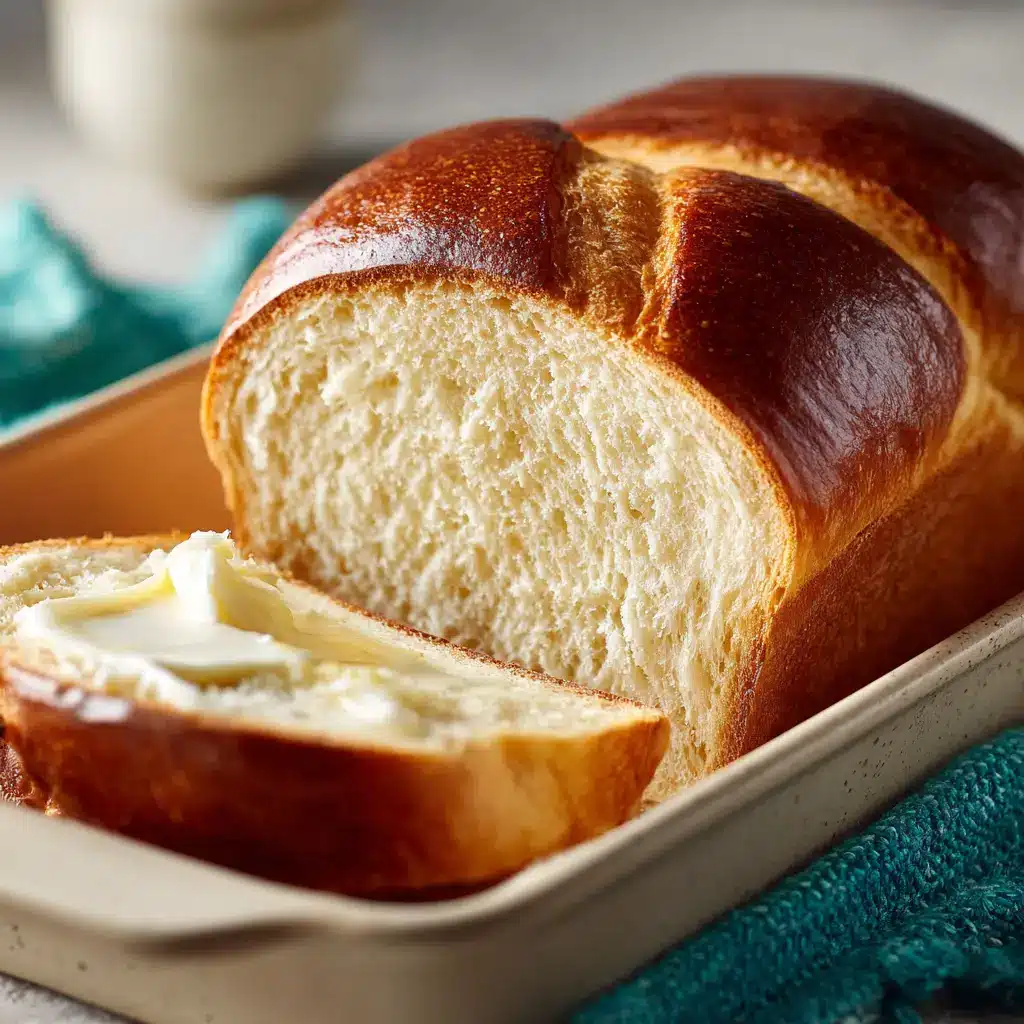
Amish white bread stands apart from standard store-bought loaves due to its rich flavor and incredibly soft texture. The secret lies in a higher concentration of enriching ingredients like sugar and fat (from milk and butter). These elements tenderize the gluten strands, resulting in a pillowy-soft crumb that’s perfect for sandwiches. The slight sweetness also makes it a delightful treat on its own, simply slathered with butter.
Essential Ingredients for Success
This recipe uses simple pantry staples to create its signature taste and texture. Here’s what you’ll need:
- Warm Water & Active Dry Yeast: The foundation for a good rise. Ensure your water is between 105-115°F (40-46°C) to properly activate the yeast without harming it.
- Sugar: Provides food for the yeast and adds that characteristic subtle sweetness.
- Whole Milk: Adds fat and richness, contributing to the bread’s soft, tender crumb.
- Unsalted Butter: Enhances flavor and tenderness.
- Salt: Crucial for controlling the yeast’s activity and balancing the overall flavor.
- All-Purpose Flour: The structural backbone of the bread. No need for special bread flour; all-purpose works perfectly here.
How to Make Amish White Bread Step-by-Step
Follow these simple instructions for a foolproof loaf of homemade bread. We’ve broken it down into manageable steps to guide you from start to finish.
Step 1: Activate the Yeast
In a large mixing bowl or the bowl of a stand mixer, combine the warm water, active dry yeast, and a pinch of sugar. Let it sit for 5-10 minutes until the mixture becomes foamy and frothy. This “blooming” process confirms your yeast is active and ready to work.
Step 2: Combine the Ingredients
Once the yeast is activated, stir in the rest of the sugar, warm milk, melted butter, and salt. Gradually add the all-purpose flour, one cup at a time, mixing until a shaggy dough forms. If you’re looking for a hearty soup to serve with your fresh bread, this crock pot potato soup recipe is a perfect match.
Step 3: Knead the Dough
Turn the dough out onto a lightly floured surface and knead for 8-10 minutes, or until it becomes smooth and elastic. If using a stand mixer, use the dough hook attachment and knead on medium-low speed for 6-8 minutes. The dough should spring back when you press it lightly with a finger.
Step 4: The First Rise
Place the kneaded dough in a lightly oiled bowl, turning it once to coat the entire surface. Cover the bowl with a clean kitchen towel or plastic wrap and let it rise in a warm, draft-free place for about 1 to 1.5 hours, or until it has doubled in size.
Step 5: Shape and Second Rise
Gently punch down the risen dough to release the air. Transfer it to a lightly floured surface and shape it into a loaf. Place the shaped loaf into a greased 9×5 inch loaf pan. Cover it again and let it rise for another 30-45 minutes, or until the dough has risen about 1 inch above the rim of the pan.
Step 6: Bake to Perfection
Preheat your oven to 350°F (175°C). Bake the loaf for 30-35 minutes, or until the top is golden brown and the internal temperature reaches 190°F (88°C). If the top starts to brown too quickly, you can tent it loosely with aluminum foil.
Expert Tips for the Best Homemade Bread
- Measure Flour Correctly: For a light, fluffy loaf, spoon the flour into your measuring cup and level it off. Scooping directly from the bag can pack the flour, leading to a dense, dry bread.
- Don’t Over-Proof: Keep a close eye on your dough during the second rise. If it rises too much, it can collapse in the oven.
- Check for Doneness: The most reliable way to check if your bread is done is with an instant-read thermometer. An internal temperature of 190°F (88°C) is perfect. Alternatively, you can tap the bottom of the loaf; it should sound hollow.
- Let It Cool: Allow the bread to cool in the pan for 10 minutes before transferring it to a wire rack to cool completely. Slicing into it while it’s still hot can result in a gummy texture. This bread makes amazing cheeseburger sliders.
How to Store Your Amish White Bread
To keep your bread fresh, store it in a bread box or a paper bag at room temperature for up to 3-4 days. Avoid storing it in the refrigerator, as this can cause it to stale faster. For longer storage, you can freeze the entire loaf or individual slices. Wrap it tightly in plastic wrap and then in aluminum foil. It will keep well in the freezer for up to 3 months.
Serving Suggestions
This versatile Amish white bread is perfect for more than just sandwiches. Use it to make French toast, grilled cheese, or croutons. It’s also a wonderful companion to hearty meals like a warm beef stew or a comforting Mississippi pot roast.
Frequently Asked Questions
Absolutely. This bread freezes wonderfully. For best results, let the loaf cool completely, then wrap it tightly in plastic wrap and a layer of aluminum foil. It can be frozen for up to 3 months.
Yes, you can adapt this recipe for a bread machine. Simply add the wet ingredients first, followed by the dry ingredients with the yeast on top. Set your machine to the basic white bread setting for a 1.5 or 2-pound loaf.
Amish white bread is typically richer and softer than standard white bread because it contains more sugar and fat (from milk and butter). This gives it a tender crumb and a slightly sweet flavor.
This recipe calls for active dry yeast, which needs to be ‘bloomed’ or activated in warm water first. You can also use instant yeast; if you do, you can skip the activation step and mix it directly with your dry ingredients.
A dense loaf is usually caused by two things: adding too much flour or not letting the dough rise long enough. Be sure to spoon and level your flour instead of scooping it, and allow the dough to fully double in size during the first rise.
Share Your Baking Success!
We are confident you’ll love this simple yet delicious Amish white bread recipe. There’s nothing quite like the taste and smell of a freshly baked loaf. If you try it, let us know how it turned out in the comments below. Don’t forget to share your beautiful creations with us on Pinterest!

The Recipe
Amish White Bread: A Simple Recipe for a Soft, Fluffy Loaf
Ingredients
Equipment
Instructions
- In a large mixing bowl, combine warm water, yeast, and a pinch of sugar. Let it sit for 5-10 minutes until foamy.
- Stir in the remaining sugar, warm milk, melted butter, and salt. Gradually add the flour, mixing until a shaggy dough forms.
- Knead on a floured surface for 8-10 minutes (or 6-8 minutes with a stand mixer's dough hook) until the dough is smooth and elastic.
- Place dough in a lightly oiled bowl, cover, and let it rise in a warm place for 1-1.5 hours, or until doubled in size.
- Punch down the dough, shape it into a loaf, and place it in a greased 9x5 inch loaf pan. Cover and let it rise for another 30-45 minutes.
- Preheat oven to 350°F (175°C). Bake for 30-35 minutes until golden brown and the internal temperature reaches 190°F (88°C).
- Let the bread cool in the pan for 10 minutes before transferring to a wire rack to cool completely before slicing.
Notes
Check for doneness: Use an instant-read thermometer for perfect results every time.
Storage: Store in a bread box or paper bag at room temperature for up to 4 days.