







Welcome to the ultimate Fluffy French Toast Recipe that promises to transform your breakfast from good to absolutely unforgettable. Forget everything you know about flat, soggy, or overly eggy French toast. This recipe is your new secret weapon for creating a restaurant-quality breakfast right in your own kitchen.
We are diving deep into the simple secrets that make all the difference. We’ll talk about the right bread, the perfect custard ratio, and the simple techniques that guarantee a perfectly golden-brown crust with a light, airy, and custardy center every single time. This is more than just a recipe; it’s a masterclass in breakfast perfection.
Why You’ll Love This Fluffy French Toast Recipe
This isn’t just another breakfast dish; it’s an experience. It’s the perfect centerpiece for a lazy weekend brunch, a special holiday morning, or just a Tuesday treat when you deserve something special.
- Incredibly Fluffy & Custardy: The texture is the star here—light, airy, and rich without ever being heavy.
- Never Soggy: We use a specific type of bread and technique to ensure the perfect moisture balance.
- Simple, Everyday Ingredients: You likely have everything you need in your pantry and refrigerator right now.
- Quick & Easy: This impressive breakfast comes together in under 20 minutes, making it perfect for any day of the week.
The Secret to Fluffy French Toast: Key Ingredients
The magic of this Fluffy French Toast Recipe lies in its simplicity and the quality of its components. Choosing the right ingredients is the first and most crucial step toward breakfast perfection.
The Best Bread for French Toast
The foundation of great French toast is the bread. You need something sturdy and thick that can soak up the delicious custard without falling apart. Stale, day-old bread is ideal because it has less moisture and can absorb more of the egg mixture.
Our Top Choice: Brioche. Its high butter and egg content creates an incredibly rich flavor and a soft, plush texture that’s simply unbeatable. Challah is a fantastic alternative with a similar rich flavor profile. If you can’t find either, a thick-cut Texas toast will also work well.
The Perfect Custard Ratio
A great custard is all about balance. Too much milk leads to soggy results, while too much egg can make the French toast taste overwhelmingly eggy. For our recipe, we use a carefully balanced ratio of eggs, milk, and flavorings.
- Large Eggs: Provide the structure and richness for the custard.
- Whole Milk: Adds the right amount of moisture and creaminess. You can substitute with half-and-half for an even richer custard.
- Vanilla Extract & Cinnamon: These are non-negotiable for that classic, warm French toast flavor.
- A Pinch of Nutmeg: This secret ingredient adds a subtle warmth and complexity that elevates the dish.
- Sugar: Just a touch of granulated sugar adds a hint of sweetness and helps achieve a beautiful caramelization on the crust.
How to Make Fluffy French Toast (Step-by-Step)
This process is simple and rewarding. Follow these steps closely for guaranteed fluffy results.
Step 1: Prepare the Custard. In a shallow dish (a pie plate works perfectly), whisk together the eggs, milk, sugar, vanilla, cinnamon, and nutmeg until smooth and fully combined. Don’t overmix; just ensure no streaks of egg white remain.
Step 2: Soak the Bread. Working one slice at a time, dip the bread into the custard mixture. Let it soak for about 15-20 seconds per side. You want the bread to be saturated but not falling-apart soggy. This is a key step in our Fluffy French Toast Recipe.
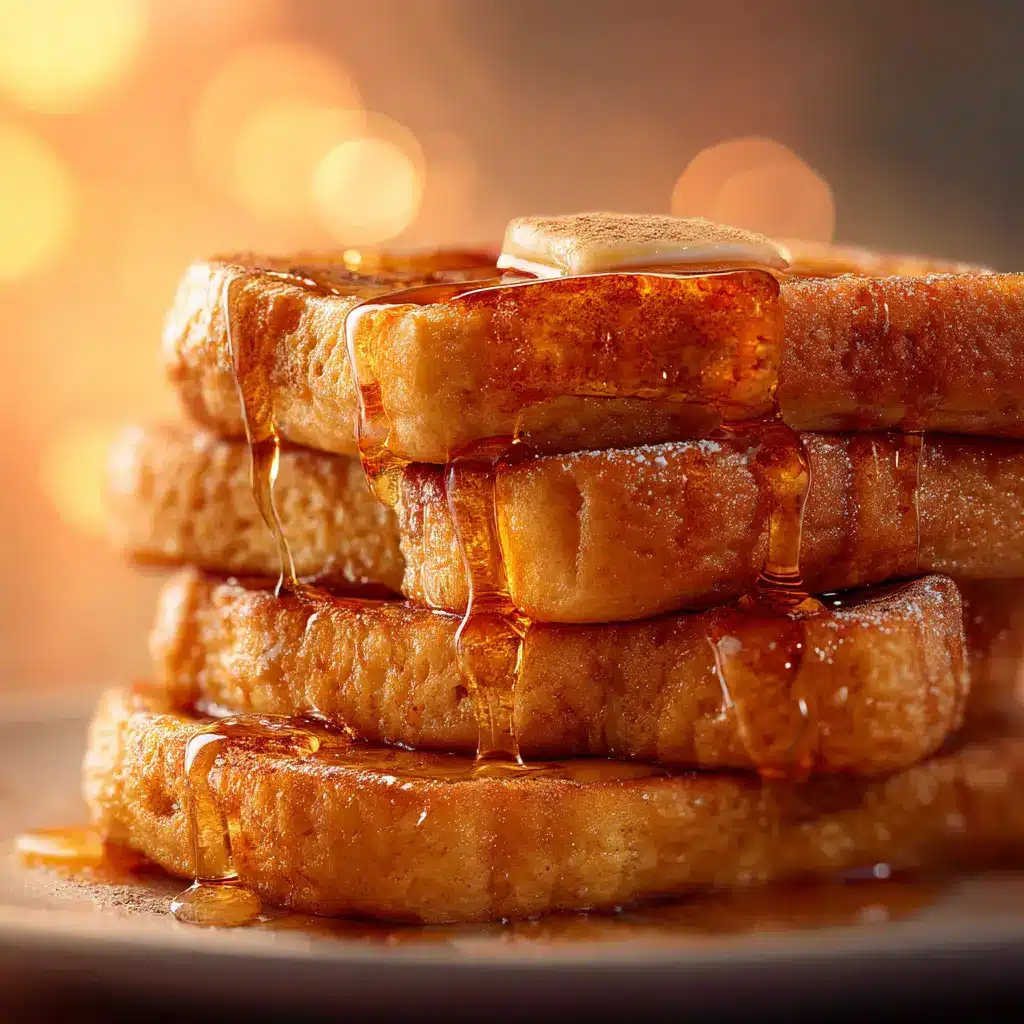
Step 3: Cook to Golden Perfection. Melt butter on a large non-stick skillet or griddle over medium heat. Once the butter is foaming, carefully place the soaked bread slices on the skillet. Cook for 2-4 minutes per side, until the surface is a deep golden brown and beautifully crisp.
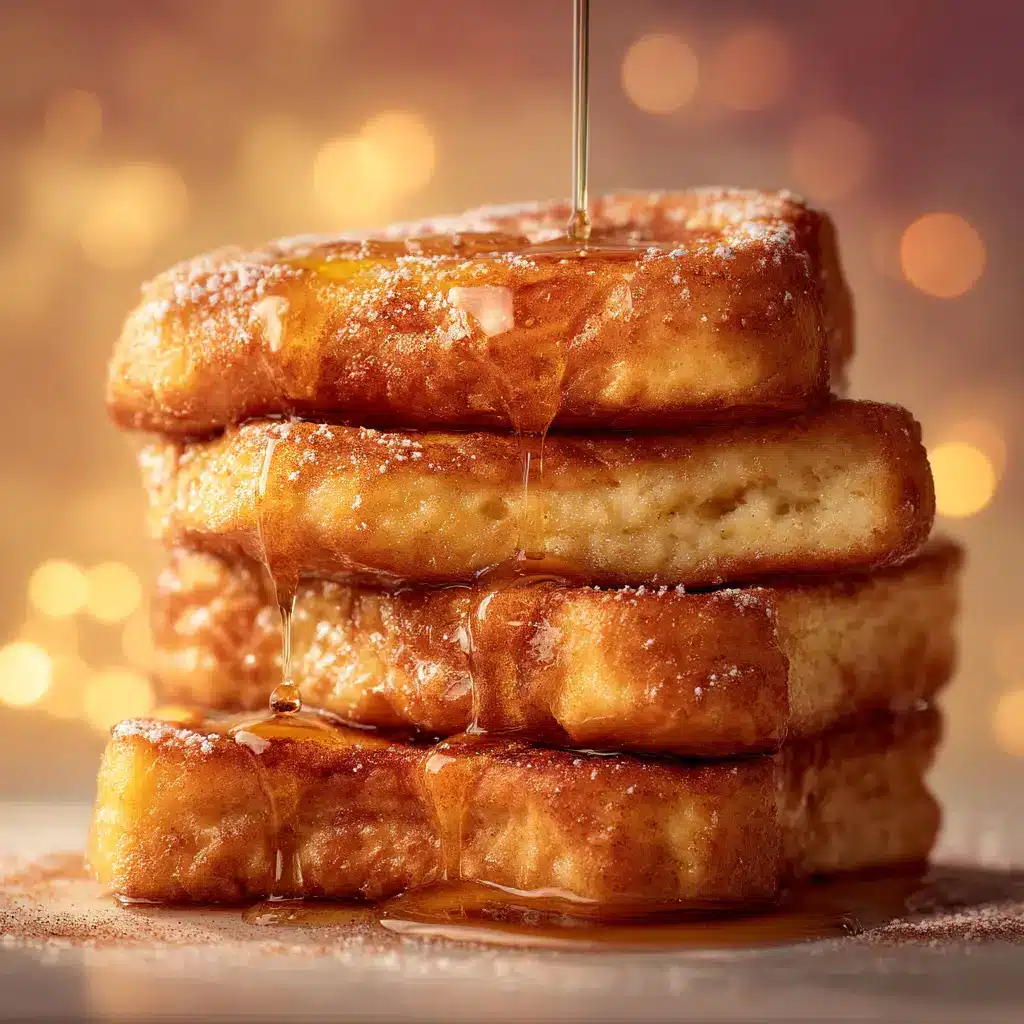
Step 4: Serve Immediately. Transfer the cooked French toast to a plate and serve warm with your favorite toppings. For a truly decadent experience, a pat of butter and a generous drizzle of maple syrup are essential.
Pro Tips for Restaurant-Quality French Toast
- Don’t Squeeze the Bread: After soaking, let any excess custard drip off naturally. Squeezing the bread will compress it, leading to a denser, less fluffy result.
- Medium Heat is Key: Cooking on heat that’s too high will burn the outside before the custard in the center is cooked. Medium heat ensures a perfect crust and a fully cooked interior.
- Use Real Butter: For the best flavor and a beautiful golden crust, use real butter for frying. Oil just doesn’t compare.
- Keep it Warm: If you’re making a large batch, you can keep the finished French toast warm in a 200°F (95°C) oven on a wire rack set inside a baking sheet.
Delicious Topping and Variation Ideas
While classic butter and syrup is a perfect pairing, feel free to get creative! This recipe is a fantastic canvas for a variety of flavors.
- Fresh Fruit: Sliced bananas, fresh berries, or sautéed apples add a wonderful freshness. If you like apples, you’ll love our Easy Apple Crisp Recipe.
- Sweet Sauces: A drizzle of chocolate sauce, salted caramel, or fruit compote.
- Creamy Toppings: A dollop of whipped cream, Greek yogurt, or even a scoop of vanilla ice cream for a dessert-for-breakfast feel.
- Crunchy Add-ons: Toasted nuts, seeds, or a sprinkle of our favorite maple pecan granola for added texture.
Storing and Reheating Leftovers
French toast is best enjoyed fresh, but leftovers can be stored and reheated effectively.
To Store: Let the French toast cool completely, then store it in an airtight container in the refrigerator for up to 3 days. You can also freeze it by placing parchment paper between slices and storing them in a freezer-safe bag for up to 2 months.
To Reheat: For the best texture, reheat slices in a toaster or a 350°F (175°C) oven until warmed through. Microwaving is not recommended as it can make the French toast soft and rubbery.
Frequently Asked Questions
Yes, you can. Cook the French toast as directed and let it cool completely. Store it in an airtight container in the fridge for up to 3 days or in the freezer for up to 2 months. Reheat in a toaster, toaster oven, or on a baking sheet in the oven for the best texture.
To prevent soggy French toast, use day-old bread, don’t oversoak the slices (15-20 seconds per side is enough), and make sure your pan is properly preheated with melted butter before you start cooking.
The best bread for French toast is a thick-cut, enriched bread that’s slightly stale. Brioche and Challah are top choices due to their rich flavor and sturdy texture, which allows them to soak up the custard without becoming mushy.
A great starting ratio is one large egg to a little less than 1/4 cup of milk per two slices of bread. For this recipe, we use 4 large eggs and 3/4 cup of milk for 8 slices, which creates a rich custard that isn’t too thin.
If your French toast tastes too eggy, it could be for two reasons. First, your custard may have too much egg and not enough milk. Second, you may not have whisked the custard mixture enough, leaving streaks of egg white that cook onto the bread. Whisk until the mixture is completely uniform.
More Breakfast Recipes to Try
If you loved this recipe, continue your journey into the art of breakfast. For another fluffy classic, try our Fluffy Homemade Pancakes. Or, for a delicious baked treat, you can’t go wrong with this Cinnamon Apple Bread.
Fluffy French Toast Recipe
Fluffy French Toast Recipe (That's Never Soggy!)
Ingredients
Equipment
Instructions
- In a shallow dish large enough to fit a slice of bread, whisk together the eggs, whole milk, granulated sugar, vanilla extract, ground cinnamon, and ground nutmeg until well combined and smooth.
- Dip each slice of brioche bread into the custard mixture for about 15-20 seconds per side. The bread should be fully saturated but not falling apart. Allow any excess to drip off.
- Melt butter in a large non-stick skillet or on a griddle over medium heat. Place the soaked bread slices onto the hot skillet, ensuring not to overcrowd it. Cook for 2-4 minutes on each side, until golden-brown and crisp.
- Serve the fluffy French toast immediately with your favorite toppings, such as maple syrup, fresh berries, and a dusting of powdered sugar.
Notes
Don't Oversoak: A quick dip is all you need. Oversoaking is the primary cause of soggy French toast.
Medium Heat is Best: This allows the center of the French toast to cook through without burning the exterior.
Share Your Breakfast Masterpiece!
We hope you love this foolproof Fluffy French Toast Recipe as much as we do. There’s nothing better than mastering a breakfast classic to share with family and friends. If you make it, we’d love to see! Snap a picture and share it with us on Pinterest. Happy cooking!