
There are few things more satisfying than the perfect crunch of a golden-brown, panko-crusted cutlet, especially when it’s sliced and served over a bed of fluffy rice, drizzled with a rich and tangy sauce. That, my friends, is the magic of a Japanese Katsu Bowl. For years, I thought this level of crispy perfection was only achievable in a restaurant. I was wrong. This guide will walk you through every simple step to create an unbelievably delicious and crispy katsu bowl at home.
This recipe is designed for anyone who loves comforting, flavorful food. It’s a culinary experience that combines textures and tastes in the most delightful way. Get ready to make a meal your family and friends will request again and again.
What Exactly Is a Japanese Katsu Bowl?
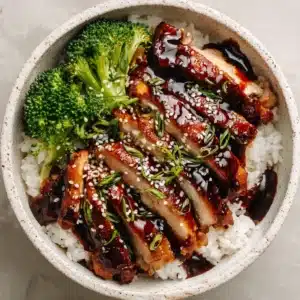
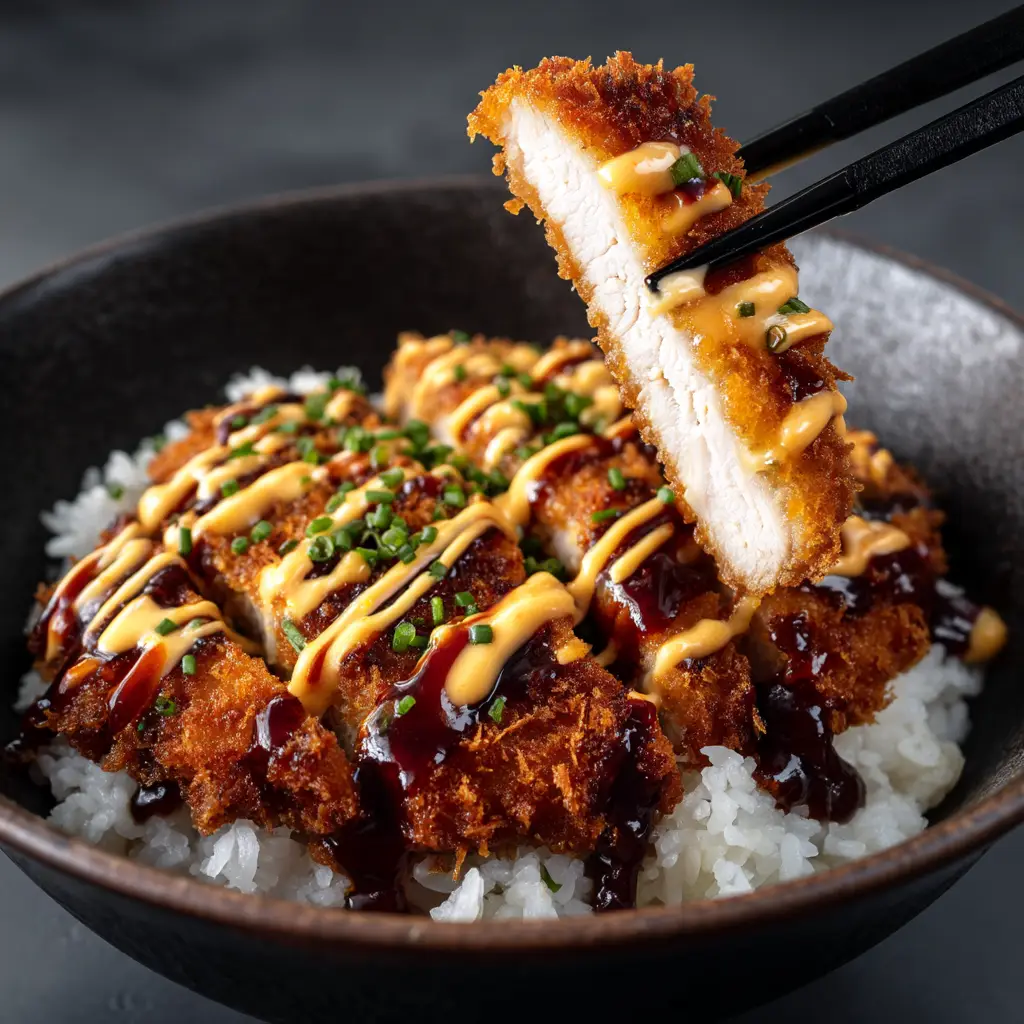
At its heart, a Japanese Katsu Bowl is a type of donburi, which simply means “rice bowl dish.” The star of the show is the katsu—a crispy fried cutlet of meat, traditionally pork (tonkatsu) or chicken (tori katsu), coated in wonderfully airy panko breadcrumbs. The cutlet is fried to a perfect golden-brown, sliced into strips, and served over a bowl of steamed Japanese rice. To finish, it’s drizzled with a sweet and savory tonkatsu sauce.
You might have also heard of Katsudon, which is a related but distinct dish. Katsudon takes the sliced katsu cutlet and simmers it with egg and onions in a savory dashi-based broth before serving it over rice. Our recipe focuses on the classic, crunchy Japanese Katsu Bowl that lets the crispy texture truly shine.
Why You’ll Love This Recipe
- Unbeatable Crunch: We’re sharing all the secrets to achieve that signature light, airy, and super crispy panko crust that stays crunchy.
- Simple, Flavorful Sauce: Our homemade tonkatsu sauce uses just four pantry staples and comes together in about a minute. It’s the perfect tangy and sweet complement to the rich cutlet.
- Quick and Easy: From start to finish, you can have this impressive meal on the table in about 30 minutes, making it perfect for a weeknight dinner.
- Fully Customizable: Whether you prefer pork or chicken, this recipe works beautifully for both. We’ll cover the minor differences.
The Key Ingredients for Success
The beauty of a katsu bowl lies in its simplicity. Using high-quality ingredients is the key to achieving the best flavor and texture.
For the Katsu Cutlet:
- Protein: Boneless pork loin chops or boneless, skinless chicken breasts are ideal. Look for cuts that are about ½ to ¾-inch thick.
- Panko Breadcrumbs: This is non-negotiable! Japanese panko breadcrumbs are lighter and flakier than regular breadcrumbs, which is the secret to the ultra-crispy coating.
- All-Purpose Flour: This creates the initial layer for the egg wash to cling to.
- Egg: Acts as the binder that holds the delicious panko onto the cutlet.
- Salt and Black Pepper: For seasoning the protein directly.
- Neutral Oil for Frying: Canola, vegetable, or peanut oil are great choices due to their high smoke points.
For the Homemade Tonkatsu Sauce:
- Ketchup: Forms the sweet and tangy base of the sauce.
- Worcestershire Sauce: Adds a deep, savory, umami flavor.
- Soy Sauce: For a salty, savory kick.
- Sugar: Balances the acidity and adds a touch of sweetness.
For Assembling the Bowl:
- Japanese Short-Grain Rice: This type of rice is slightly sticky and fluffy, making it the perfect base for a donburi.
- Green Cabbage: Very thinly shredded cabbage adds a fresh, crisp contrast to the rich katsu. A mandoline slicer is great for this.
How to Make the Perfect Japanese Katsu Bowl: A Step-by-Step Guide
Follow these steps closely, and you’ll be rewarded with a restaurant-quality meal. The process is simple: cook the rice, mix the sauce, prepare and fry the cutlets, and assemble!
Step 1: Prepare the Rice
Start by cooking your Japanese short-grain rice according to the package directions. Keeping the rice warm while you prepare the other components is key to a perfect bowl.
Step 2: Make the Easy Tonkatsu Sauce
This couldn’t be simpler. In a small bowl, whisk together the ketchup, Worcestershire sauce, soy sauce, and sugar until the sugar is fully dissolved. Set it aside for the flavors to meld.
Step 3: Prepare the Cutlets
If your pork chops or chicken breasts are thicker than ½-inch, place them between two pieces of plastic wrap and gently pound them to an even thickness. This ensures they cook quickly and evenly. Pat the cutlets completely dry with a paper towel and season both sides generously with salt and pepper.
Step 4: Set Up Your Breading Station
You’ll need three shallow dishes. Place the flour in the first dish, the lightly beaten egg in the second, and the panko breadcrumbs in the third. Working with one cutlet at a time, dredge it in the flour, shaking off any excess. Next, dip it into the egg, ensuring it’s fully coated. Finally, press the cutlet firmly into the panko, covering it completely. This three-step process is the key to a coating that won’t fall off.
Step 5: Fry to Crispy Golden Perfection
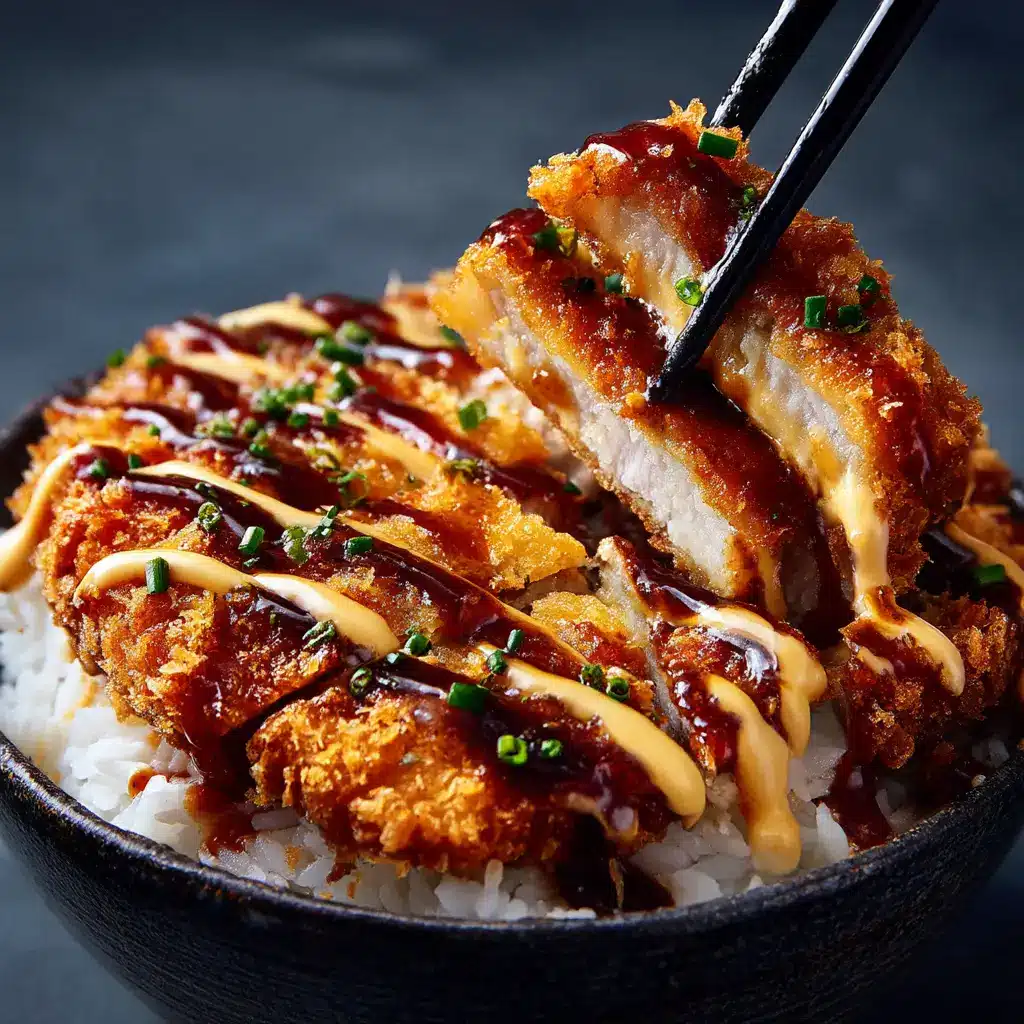
In a large skillet or pan, pour in about an inch of neutral oil. Heat the oil over medium-high heat until it reaches 350°F (175°C). If you don’t have a thermometer, you can test it by dropping a single panko breadcrumb in; if it sizzles vigorously, the oil is ready. Carefully place one or two breaded cutlets in the hot oil. Don’t overcrowd the pan, as this will lower the oil temperature and lead to soggy katsu. Fry for 3-5 minutes per side, until deep golden brown and cooked through.
Step 6: Rest and Assemble Your Bowl
Once cooked, transfer the katsu to a wire rack to rest. This is a crucial step! Placing it on paper towels will trap steam and make the bottom side soggy. Let it rest for a few minutes before slicing it into ¾-inch strips. To assemble your Japanese Katsu Bowl, fill a bowl with warm rice, top with a handful of shredded cabbage, arrange the sliced katsu over the top, and drizzle generously with your homemade tonkatsu sauce.
Expert Tips for the Crispiest Katsu Every Time
- Dry Protein is Key: Ensure your chicken or pork is patted completely dry before breading. Moisture is the enemy of a crispy crust.
- Press Panko Firmly: When coating with panko, press down gently but firmly to ensure the breadcrumbs adhere well.
- Maintain Your Oil Temperature: The ideal temperature for frying katsu is 350°F (175°C). Too low and the katsu will be oily; too high and the panko will burn before the meat is cooked.
- Rest on a Wire Rack: Never rest your fried katsu on a plate or paper towels. A wire rack allows air to circulate, keeping the bottom just as crispy as the top.
Delicious Variations and Serving Suggestions
While the classic bowl is fantastic, there are many ways to customize it. For a different flavor profile, consider a savory sauce from this Teriyaki Chicken Stir Fry recipe. You can also serve it alongside other Japanese favorites like the noodles in this Easy Yaki Udon Recipe. For a lighter pairing, a simple side like this Cucumber and Sweet Pepper Salad works wonderfully.
FAQs About Japanese Katsu Bowl
The key is a three-step breading process: first dredge the dry cutlet in flour, then dip it in a beaten egg wash, and finally, press it firmly into the panko breadcrumbs. This creates a durable, crispy crust.
A Japanese Katsu Bowl is a complete meal on its own, but it’s traditionally served with a side of miso soup and some pickled vegetables (tsukemono). A simple, fresh side salad also pairs nicely.
Katsu sauce, or Tonkatsu sauce, is a sweet and savory sauce. Our simple homemade version is made from four common pantry ingredients: ketchup, Worcestershire sauce, soy sauce, and a little sugar.
A Katsu Bowl consists of a crispy fried cutlet (katsu) served over rice with tonkatsu sauce. Katsudon is a variation where the sliced cutlet is simmered with egg and onions in a savory broth before being served over rice.
A neutral oil with a high smoke point is best for frying katsu. Good choices include canola, vegetable, grapeseed, or peanut oil. They won’t impart a strong flavor and can handle the heat required for frying.
More Delicious Recipes to Try
If you enjoyed this katsu bowl, you’ll love exploring other bold and comforting flavors. For another amazing rice bowl experience, try our Bang Bang Chicken Bowl. And for a fantastic noodle dish, our Fiery Chicken Ramen is a must-try!
Enjoy Your Homemade Katsu Bowl!
There you have it—a simple yet spectacular meal that brings the best of Japanese comfort food to your kitchen. We’re confident this will become a new favorite in your dinner rotation. If you make this recipe, we’d love to see it! Share your creations and tag us on Pinterest.
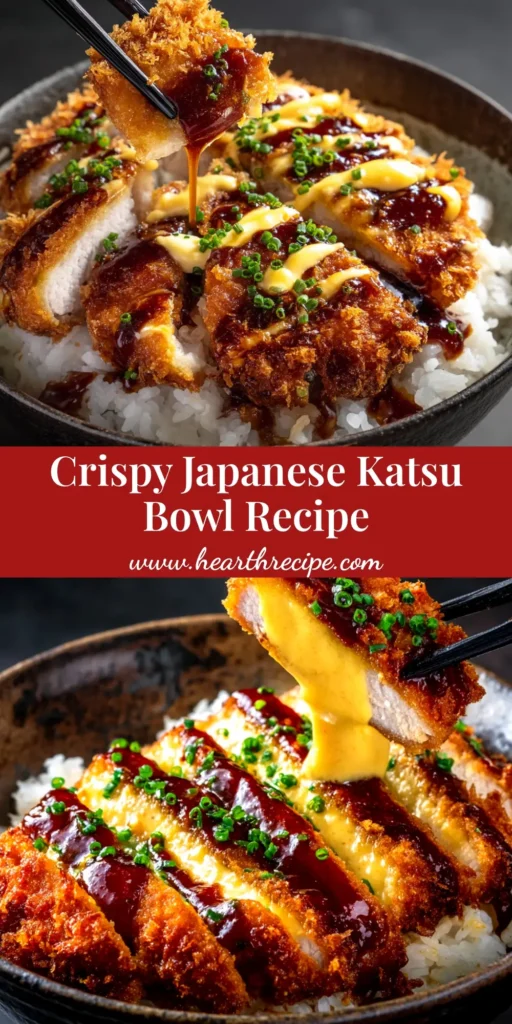
Japanese Katsu Bowl Recipe
Japanese Katsu Bowl: The Ultimate Crispy Recipe
Ingredients
Equipment
Instructions
- Cook the Japanese short-grain rice according to package instructions. Keep warm.
- In a small bowl, whisk together ketchup, Worcestershire sauce, soy sauce, and sugar until fully combined. Set aside.
- Pat the pork or chicken cutlets completely dry with paper towels. Season both sides generously with salt and pepper.
- Arrange three shallow dishes. Place flour in the first, the beaten egg in the second, and panko breadcrumbs in the third. Coat each cutlet first in flour, then egg, then press firmly into the panko to coat completely.
- Heat about 1 inch of oil in a large skillet over medium-high heat to 350°F (175°C). Carefully lay the breaded cutlets in the hot oil, ensuring not to overcrowd the pan. Fry for 3-5 minutes per side, until deep golden brown and cooked through.
- Transfer the cooked katsu to a wire rack to rest for 2-3 minutes. This keeps it crispy. Then, slice the katsu into ¾-inch strips.
- Divide the warm rice between two bowls. Top with shredded cabbage, then arrange the sliced katsu on top. Drizzle generously with the tonkatsu sauce before serving.
Notes
Tip 2: Resting the fried katsu on a wire rack instead of paper towels is essential for maintaining a crispy coating on all sides.