






Intimidated by the thought of a homemade pie crust recipe? You’re not alone. For years, bakers have been led to believe that a perfectly flaky, buttery pie crust is a complex culinary feat reserved only for professionals. We’re here to change that narrative. This is the last pie crust recipe you will ever need. It’s simple, relies on just a few basic ingredients, and produces a wonderfully tender, flavorful crust every single time.
Forget the store-bought versions that lack flavor and that satisfyingly crisp texture. With our straightforward guide, you’ll master the art of the all-butter pie crust and elevate your sweet and savory pies from good to absolutely unforgettable. Let’s get baking!
Why This is the Only Pie Crust Recipe You’ll Ever Need
In a world of complicated recipes, this one stands out for its simplicity and reliability. We’ve stripped away the unnecessary steps and focused on the core techniques that guarantee success. The result is a rich, buttery flavor and an incredibly flaky texture that provides the perfect foundation for any filling, from a classic apple pie to a savory quiche.
This recipe uses a food processor, which takes all the guesswork out of cutting in the butter, ensuring your ingredients stay cold and your final product is perfect. It’s a game-changer for beginner bakers and a time-saver for seasoned pros.
The Secret to a Flaky Pie Crust: Key Ingredients
The magic of a great pie crust lies in its simplicity. High-quality, basic ingredients are all you need.
Unsalted Butter
The star of the show! We use all butter for its unparalleled flavor. The key is to keep it very cold—frozen, even. Cold butter creates small pockets in the dough. When baked, these pockets release steam, which separates the dough into hundreds of delicate, flaky layers.
All-Purpose Flour
Simple all-purpose flour provides the structure for our crust. There’s no need for fancy pastry flour here. Just be sure not to overwork it, which can develop the gluten and make the crust tough.
Ice Water
Ice-cold water is non-negotiable. It helps keep the butter solid and brings the dough together without melting the fat. This ensures those crucial butter pockets remain intact, leading to maximum flakiness.
Salt and Sugar
A little salt enhances the buttery flavor, while a touch of sugar helps with browning and adds a subtle depth, making this crust suitable for both sweet and savory pies.
Essential Equipment for Perfect Pie Dough
While you don’t need a professional kitchen, a few key tools make this pie crust recipe foolproof.
- Food Processor: This is our top recommendation for quickly and evenly cutting the cold butter into the flour without warming it up.
- Rolling Pin: A classic tapered or baker’s rolling pin works perfectly.
- Plastic Wrap: Essential for chilling the dough and preventing it from drying out.
- 9-inch Pie Plate: The standard size for most pie recipes.
How to Make Our Perfect Pie Crust Recipe (Step-by-Step)
Follow these simple steps for a flawless homemade pie crust. Our process ensures the butter stays cold and the dough is handled just enough to form a cohesive, easy-to-roll sheet.
- Combine Dry Ingredients: In the bowl of a food processor, add the flour, sugar, and salt. Pulse 2-3 times just to combine.
- Cut in the Butter: Scatter the cold, cubed butter over the flour mixture. Pulse in 1-second intervals for about 8-10 times, until the butter is the size of small peas. Don’t overdo it!
- Add Ice Water: Drizzle 4 tablespoons of ice water over the mixture. Pulse again until the dough just starts to clump together. If it’s too dry, add more water, 1 teaspoon at a time. The dough is ready when it holds together when you squeeze a small piece in your hand.
- Form and Chill: Turn the dough out onto a clean surface. Do not knead! Gently gather the dough and form it into a 1-inch thick disk. Wrap it tightly in plastic wrap and refrigerate for at least 1 hour, or up to 2 days. This step is crucial for letting the gluten relax, which makes the dough tender and easy to roll.
- Roll Out the Dough: On a lightly floured surface, roll the chilled dough from the center outwards into a 12-inch circle. To prevent sticking, rotate the dough a quarter turn after every few rolls.
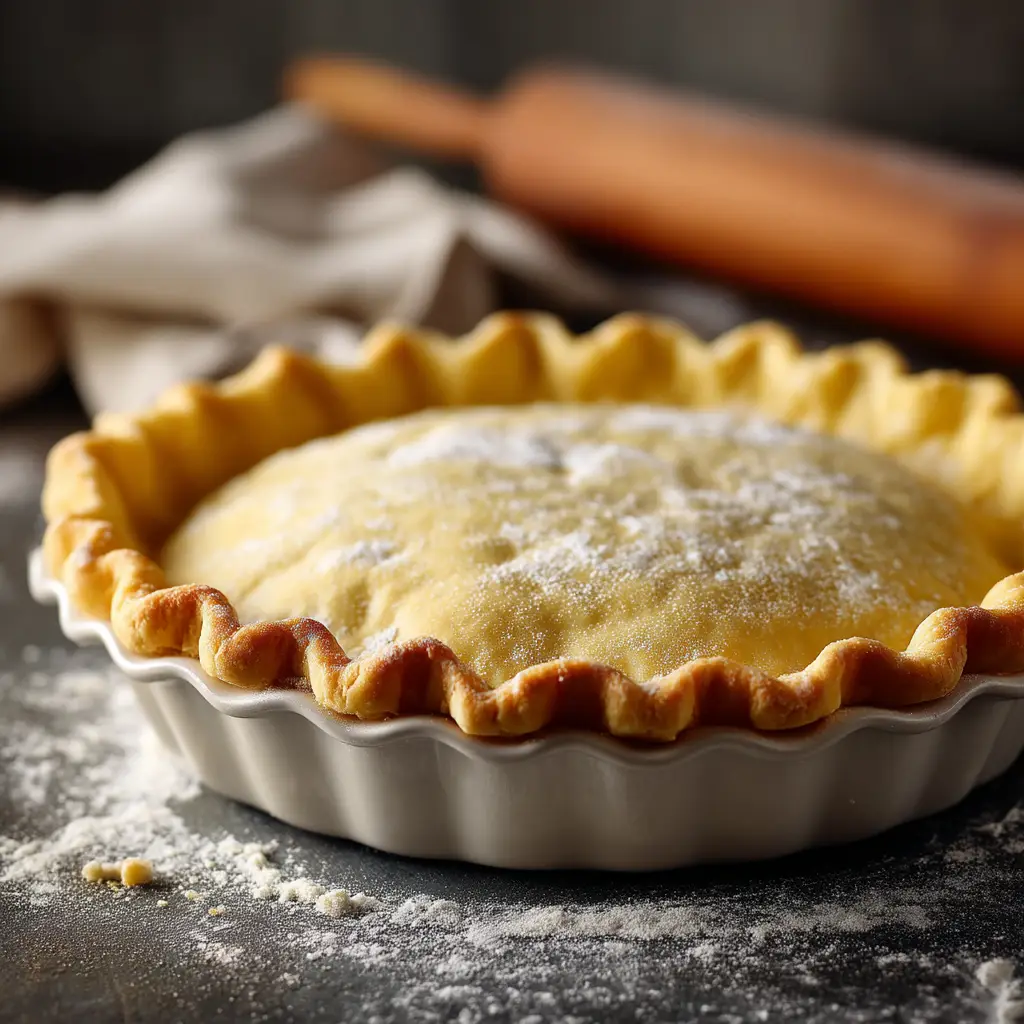
- Transfer to Pan: Carefully transfer the dough to your 9-inch pie plate. Gently press it into the bottom and up the sides. Trim the overhang to about 1 inch, then fold it under and crimp the edges as desired.
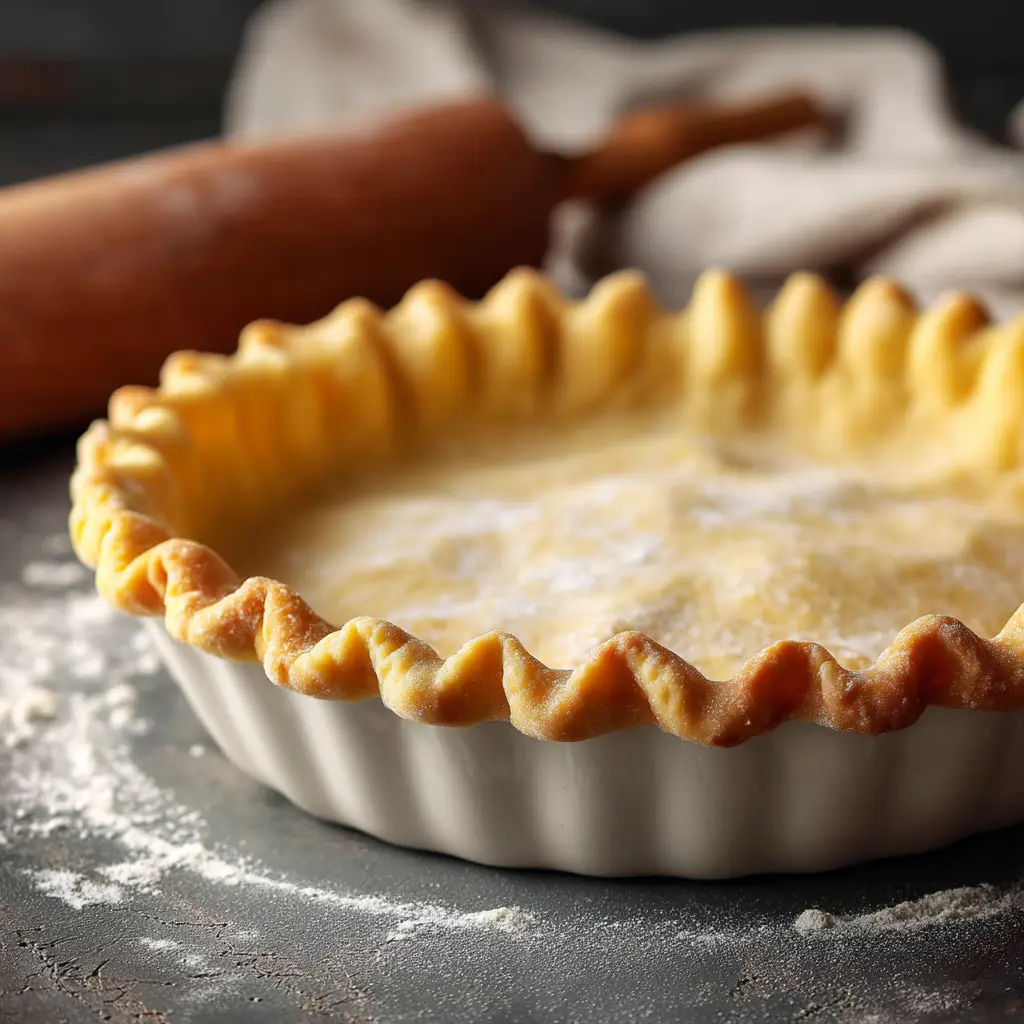
Your crust is now ready to be filled or blind-baked, depending on your recipe’s needs. For a truly delicious savory dish, try our Boursin Chicken recipe.
Pro Tips for No-Fail Pie Crust
Keep these expert tips in mind to perfect your pie-making skills.
- Keep Everything Cold: Your butter, your water, and even your hands, if possible. Cold ingredients are the absolute key to a flaky pie crust recipe.
- Don’t Overwork the Dough: Overworking develops gluten, which results in a tough, chewy crust instead of a tender, flaky one. Handle the dough as little as possible.
- Let the Dough Rest: The chilling period is not optional. It allows the gluten to relax and the fat to solidify, preventing shrinkage and making the dough much easier to handle.
- Use Pie Weights for Blind Baking: If your recipe calls for a pre-baked shell, use pie weights or dried beans to prevent the bottom from puffing up and the sides from slumping.
If you’re looking for a stunning dessert to follow up your pie, our Chocolate Raspberry Tart is a fantastic choice.
How to Blind Bake a Pie Crust
Blind baking, or pre-baking, is necessary for pies with unbaked fillings, like a cream or custard pie. It ensures the bottom of the crust is cooked through and crisp.
- Preheat your oven to 400°F (200°C).
- Dock the bottom and sides of your chilled, unbaked pie shell with a fork.
- Line the shell with parchment paper and fill it with pie weights or dried beans.
- Bake for 15 minutes. Carefully remove the parchment and weights.
- Bake for another 5-7 minutes, or until the crust is a light golden brown. Let it cool completely before filling.
This technique is also great for savory tarts, like our Caramelized Onion Tart.
Storing and Freezing Pie Dough
This pie dough is perfect for making ahead. You can store the tightly wrapped dough disk in the refrigerator for up to 2 days. For longer storage, wrap the disk in an additional layer of aluminum foil and freeze for up to 3 months. Thaw it overnight in the refrigerator before rolling it out.
Frequently Asked Questions
Absolutely! This pie dough can be prepared, wrapped tightly in plastic wrap, and stored in the refrigerator for up to 2 days or in the freezer for up to 3 months. Thaw frozen dough overnight in the fridge before using.
While a food processor makes the process very quick and easy, you can also make it by hand. Use a pastry blender or two knives to cut the cold butter into the flour mixture until it resembles coarse crumbs with pea-sized pieces of butter.
To prevent a soggy bottom, especially with very wet fillings, we recommend blind baking (pre-baking) the crust first. Baking the pie on a lower rack in the oven can also help ensure the bottom is fully cooked and crisp.
Butter provides superior flavor and creates flaky layers. Shortening has a higher melting point, which can make the dough easier to work with and produce a very tender crust, but it lacks the rich flavor of butter. Our recipe uses all butter for the best possible taste.
A tough pie crust is usually caused by overworking the dough, which develops too much gluten. To keep it tender, handle the dough as little as possible and make sure your butter and water are very cold.
The Perfect Pie Crust Recipe
Pie Crust Recipe: The Easiest, Flakiest All-Butter Crust
Ingredients
Equipment
Instructions
- In the bowl of a food processor, add the flour, sugar, and salt. Pulse 2-3 times just to combine.
- Scatter the cold, cubed butter over the flour mixture. Pulse in 1-second intervals for about 8-10 times, until the butter is the size of small peas.
- Drizzle 4 tablespoons of ice water over the mixture. Pulse again until the dough just starts to clump together. If it's too dry, add more water, 1 teaspoon at a time. The dough is ready when it holds together when you squeeze a small piece in your hand.
- Turn the dough out onto a clean surface. Gently gather the dough and form it into a 1-inch thick disk. Wrap it tightly in plastic wrap and refrigerate for at least 1 hour.
- On a lightly floured surface, roll the chilled dough into a 12-inch circle. Transfer the dough to a 9-inch pie plate. Trim the overhang to 1 inch, then fold it under and crimp the edges.
- Use immediately in your favorite recipe or proceed with blind baking instructions if required.
Notes
Don't Overmix: Overmixing the dough develops gluten and will make your crust tough. Pulse the food processor just until the dough comes together.
Share Your Creations!
We are confident this is the best all-butter pie crust recipe you’ll ever try. It’s the perfect canvas for all your baking adventures. If you make this recipe, we’d love to see it! Share your beautiful pies with us on Pinterest and leave a comment below with your favorite pie fillings!