




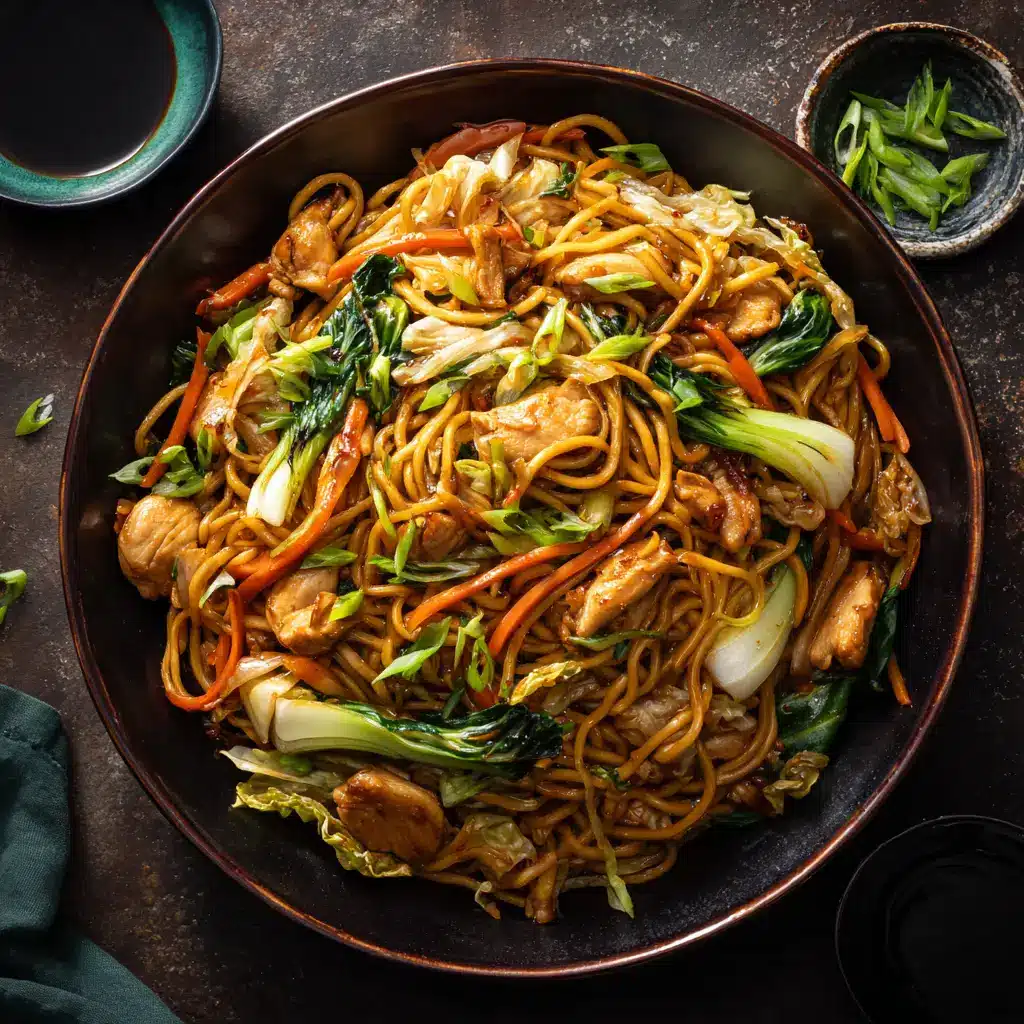
Craving the savory, slurp-worthy goodness of Chinese takeout? This homemade Chow Mein Recipe is your answer. Forget the delivery fees and long waits; in less than 30 minutes, you can have a steaming platter of crispy-chewy noodles, tender chicken, and crisp vegetables, all tossed in a perfectly balanced, savory sauce. This recipe isn’t just a copycat; it’s an upgrade. We’ve cracked the code on achieving that authentic restaurant flavor and texture right in your own kitchen. It’s the perfect, satisfying meal for any night of the week.
Whether you’re feeding a hungry family or looking for a quick and delicious meal for one, this chow mein recipe is incredibly versatile and surprisingly simple. We’ll walk you through every step, from choosing the right noodles to mastering the sauce. Get ready to make this your new go-to dinner.
What is Chow Mein?
Chow Mein, which translates to “stir-fried noodles,” is a staple dish in Chinese cuisine. It consists of noodles that are first parboiled and then stir-fried until they reach a delightful texture that is both soft and slightly crisp. The noodles are then tossed with a variety of ingredients, typically including a protein like chicken, beef, or shrimp, and an assortment of fresh vegetables such as cabbage, carrots, and bean sprouts. The entire dish is brought together with a rich and savory soy-based sauce.
The Difference Between Chow Mein and Lo Mein
One of the most common questions in Chinese-American cuisine is the difference between Chow Mein and Lo Mein. The primary distinction lies in how the noodles are prepared. For Chow Mein, the noodles are stir-fried with the other ingredients, which makes them crispier. For Lo Mein (“tossed noodles”), fully cooked noodles are simply tossed with the sauce and other ingredients at the end, resulting in a softer, saucier dish. Both are delicious, but if you love a bit of crispiness in your noodles, this Chow Mein recipe is for you.
Why You’ll Love This Chow Mein Recipe
This isn’t just another noodle dish; it’s a game-changer for your weeknight dinner rotation. Here’s why this will become one of your most-requested meals:
- Faster Than Delivery: From prep to plate in under 30 minutes, this recipe is perfect for busy evenings. It’s a quick and easy meal (coming soon) that satisfies everyone.
- Completely Customizable: Use chicken, beef, shrimp, or tofu. Swap in your favorite vegetables based on what’s fresh or what you have in the fridge. Check out our guide to healthy sauteed vegetables for more ideas.
- Authentic Flavor: The simple but perfectly balanced sauce tastes just like the one from your favorite Chinese restaurant. It’s savory, slightly sweet, and utterly addictive.
- Budget-Friendly: Making your favorite takeout dishes at home is a fantastic way to save money without sacrificing flavor.
The Key Ingredients for Authentic Chow Mein
The magic of this dish comes from a few key components. Let’s break them down.
The Best Noodles for Chow Mein
The star of the show! For the most authentic results, look for “chow mein” noodles or “steamed chow mein” noodles in the refrigerated section of Asian markets or larger grocery stores. These are specifically designed for stir-frying. If you can’t find them, don’t worry! You can easily substitute with dried ramen noodles (discard the seasoning packet) or even thin spaghetti, parboiled until just al dente.
The Perfect Chow Mein Sauce
This sauce is a simple mixture that packs a huge punch of flavor. You’ll need:
- Soy Sauce: The savory, umami backbone of the sauce. Use a low-sodium version to better control the saltiness.
- Oyster Sauce: Adds a subtle sweetness and a deep, complex flavor.
- Toasted Sesame Oil: For that signature nutty, aromatic finish. A little goes a long way!
- Cornstarch: Helps to slightly thicken the sauce so it clings beautifully to every noodle and vegetable.
- Brown Sugar: Just a touch to balance the saltiness of the soy sauce.
- Garlic & Ginger: Freshly minced garlic and ginger are essential for building a fragrant and flavorful base.
Proteins & Vegetables
This recipe uses thinly sliced chicken breast, but feel free to substitute. Thinly sliced flank steak, peeled shrimp, or pressed extra-firm tofu are all fantastic options. For the vegetables, we use a classic combination of shredded cabbage, julienned carrots, and fresh bean sprouts for crunch and color.
How to Make the Perfect Chow Mein Recipe
The key to a great stir-fry is having all your ingredients prepped and ready to go before you even turn on the stove. This is a technique called “mise en place,” and it’s your best friend for a fast-cooking dish like chow mein. Whisk your sauce, chop your vegetables, slice your protein, and parboil your noodles. Once you start cooking, things move very quickly!
Tips and Tricks for Restaurant-Quality Results
Follow these simple tips to elevate your homemade chow mein from good to absolutely incredible.
Don’t Overcrowd the Pan
Use a large wok or skillet. Overcrowding the pan will steam your ingredients instead of stir-frying them, preventing the noodles and vegetables from getting that signature crisp-tender texture. If needed, cook in batches.
The Secret to Crispy Noodles
After parboiling your noodles, make sure they are well-drained and relatively dry. Add them to the hot wok with a bit of oil and let them sit for a minute or two without stirring. This allows them to get golden brown and slightly crispy on the bottom before you start tossing them with the other ingredients.
High Heat is Key
A high heat is crucial for a successful stir-fry. It cooks the ingredients quickly, ensuring the vegetables stay crisp and the chicken remains tender. Make sure your wok or skillet is piping hot before you add your ingredients.
Delicious Chow Mein Variations
One of the best things about this chow mein recipe is its versatility. You can easily adapt it to your taste or what you have on hand.
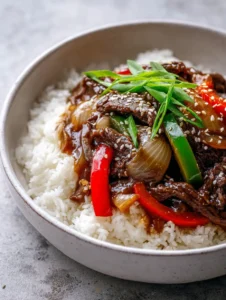
Beef Chow Mein
Swap the chicken for thinly sliced flank or sirloin steak. A quick marinade in soy sauce and cornstarch before stir-frying will ensure it’s extra tender. For a hearty meal, consider pairing it with a comforting soup like our Ginger Garlic Chicken Noodle Soup.
Shrimp Chow Mein
Use large shrimp, peeled and deveined. Add them to the wok during the last few minutes of cooking; they’ll only need 2-3 minutes to turn pink and opaque. It’s a fantastic pairing with flavors from our popular Coconut Garlic Shrimp recipe.
Vegetable Chow Mein
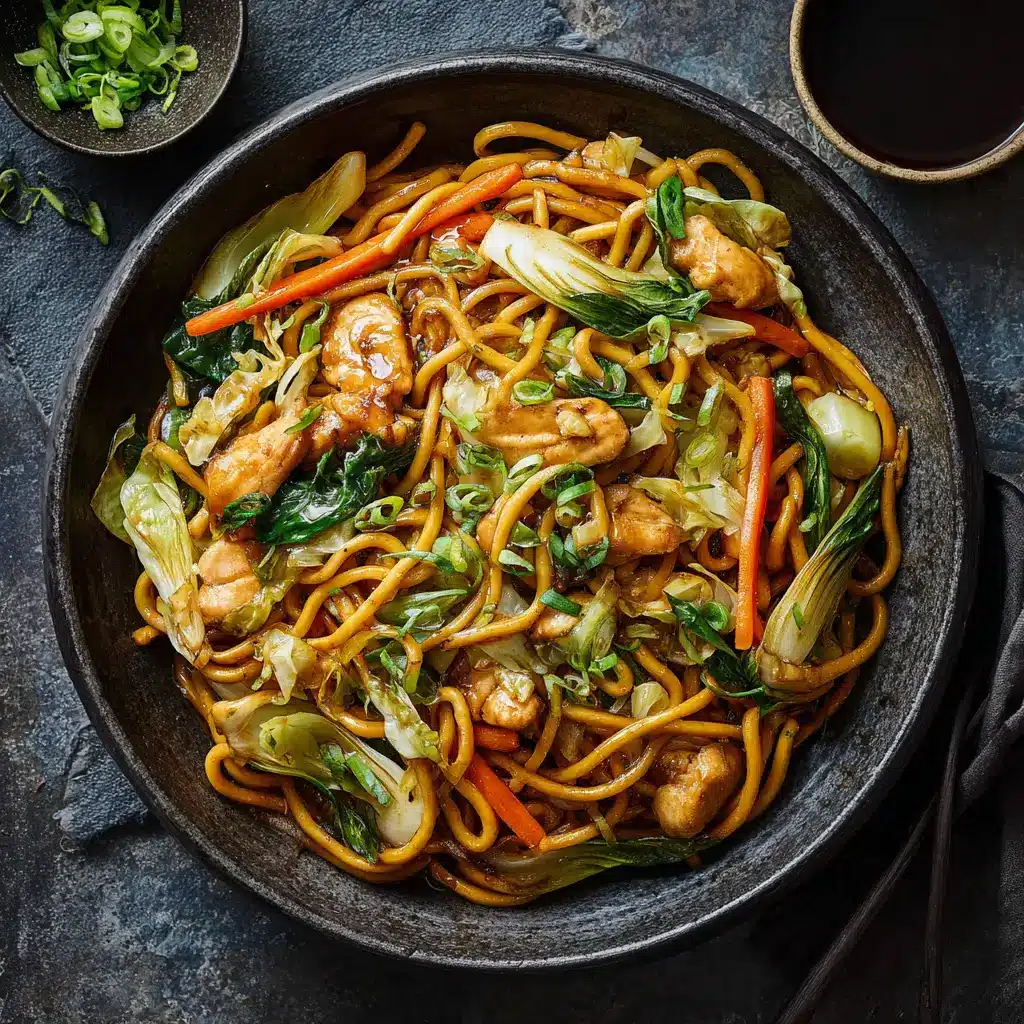
For a vegetarian version, simply omit the chicken and double up on the vegetables. Broccoli florets, sliced bell peppers, mushrooms, and snow peas are all wonderful additions. For extra protein, add some pan-fried tofu or edamame.
Storing and Reheating Leftovers
Chow mein is best enjoyed fresh, but leftovers are still delicious! Store any extra in an airtight container in the refrigerator for up to 3 days. To reheat, simply toss the chow mein in a hot wok or skillet with a teaspoon of oil for a few minutes until heated through. Microwaving can make the noodles soft, so the stovetop method is recommended to revive some of the original texture.
Frequently Asked Questions about this Chow Mein Recipe
Absolutely! This recipe is very versatile. You can swap the chicken for thinly sliced beef, shrimp, or tofu. Feel free to add other vegetables like broccoli, bell peppers, snow peas, or mushrooms.
Store leftovers in an airtight container in the refrigerator for up to 3 days. For the best texture, reheat in a hot skillet or wok with a little oil for a few minutes until warmed through. This helps revive some of the noodles’ crispiness.
The secret to crispy noodles is to ensure they are well-drained and fairly dry after parboiling. Then, add them to a hot wok with oil and let them sit for a minute or two without stirring to allow them to brown and crisp up on the bottom before tossing.
The best noodles are fresh or steamed chow mein noodles, often found in the refrigerated section of Asian markets. However, you can easily substitute with dried ramen noodles (without the seasoning packet) or even thin spaghetti cooked al dente.
The main difference is the noodle preparation. In chow mein, the noodles are stir-fried to make them crispy. In lo mein, cooked noodles are simply tossed with the sauce and other ingredients, resulting in a softer, saucier dish.
The Best Chow Mein Recipe
Chow Mein Recipe (Better Than Takeout!)
Ingredients
Equipment
Instructions
- Cook noodles according to package directions, usually boiling for 3-5 minutes. Drain well and set aside.
- In a small bowl, whisk together all the sauce ingredients: soy sauce, oyster sauce, sesame oil, brown sugar, and cornstarch. Set aside.
- Heat 1 tbsp of vegetable oil in a large wok or skillet over high heat. Add the sliced chicken and cook until golden brown and cooked through, about 3-4 minutes. Remove the chicken from the wok and set aside.
- Add the remaining 1 tbsp of oil to the wok. Add the minced garlic and grated ginger and cook for 30 seconds until fragrant. Add the shredded cabbage and carrots and stir-fry for 2-3 minutes until they begin to soften.
- Push the vegetables to the side of the wok. Add the drained noodles to the empty side and spread them out. Let them cook undisturbed for 1-2 minutes to get slightly crispy on the bottom.
- Add the cooked chicken back to the wok along with the bean sprouts. Pour the sauce over everything. Toss well to combine, cooking for another 1-2 minutes until the sauce has thickened slightly and everything is coated and heated through.
- Serve immediately, garnished with sliced green onions.
Notes
Don't Overcook the Noodles: Parboil them until they are just al dente. They will finish cooking in the wok.
High Heat: Use high heat for the best stir-fry results to ensure vegetables stay crisp and everything cooks quickly.
Share Your Creations!
We are so excited for you to try this easy and delicious Chow Mein Recipe! It’s a dish that proves you don’t need to order takeout to enjoy incredible, authentic Chinese flavors at home. Once you’ve made it, we’d love to see your masterpiece. Snap a photo and share it on Pinterest. Your feedback and creations inspire us!